
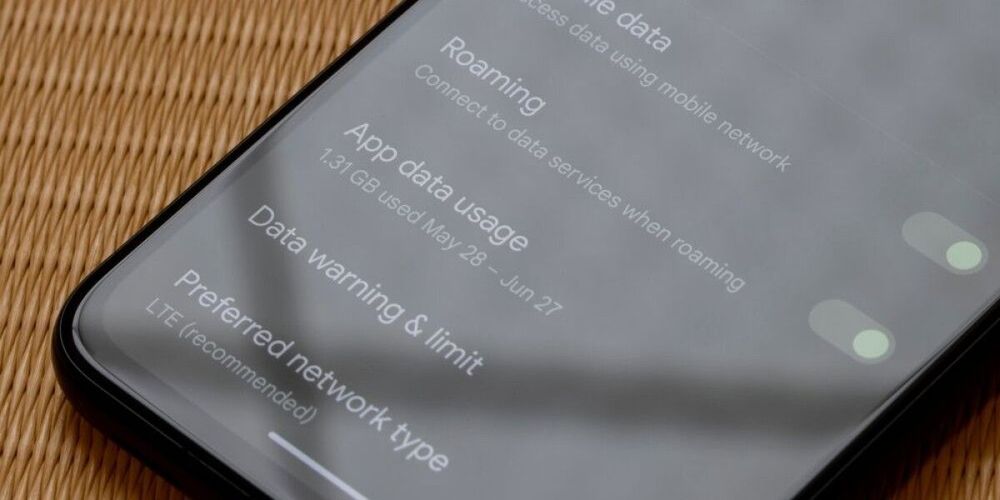
Free roaming within Europe
Since the EU introduced roaming limits, French mobile phones can be used across the 30 countries of the European Economic Area at domestic rates. The EEA comprises all 27 EU member states plus Iceland, Liechtenstein, and Norway.
For most customers, calls to French numbers from EEA countries cost the same as calls made within France, while data is charged on the same basis, subject to fair use policies. These policies calculate data caps using a formula based on the customer's plan price and the regulated wholesale rate. With the wholesale cap dropping to €1.10 per gigabyte in 2026, a typical €17 monthly plan now provides around 34 GB of roaming data within the EEA.
The UK, despite leaving the EU in 2020, remains included in Orange's Zone Europe and benefits from the same treatment. This arrangement stands in contrast to most UK networks, which have reintroduced EU roaming charges ranging from £2.00 to £2.72 per day for their customers traveling to France.
The fair use exemption may apply to customers spending extended periods outside France, so those planning longer stays should verify their operator's specific policies.
Costly charges beyond Europe
Travelers heading to destinations outside the EU and EEA face substantially higher costs. Orange subscribers visiting the United States, for example, pay €13.31 per megabyte of data, 55 cents per minute to receive calls, and €1.18 per minute to make them. Text messages cost 28 cents to send, while receiving them remains free.
For such destinations, Orange strongly recommends switching off mobile data entirely unless customers have subscribed to Pass Voyage or comparable international packages. The advised alternative is connecting to WiFi networks and using messaging applications such as WhatsApp for calls, though users should exercise caution when connecting to public WiFi in unfamiliar locations.
Ferry crossings pose hidden risks
Recent reports have highlighted a particular trap for travelers crossing between France and the UK by ferry. Passengers who fail to switch their phones to flight mode or turn them off entirely before boarding have returned home to bills described as
saltier than the Channel itself.
The problem arises when ferries move beyond the range of terrestrial mobile signals, typically just a few kilometers from the coast. At that point, devices automatically switch to maritime satellite networks operated by providers such as Telenor Maritime, which serves major ferry operators including DFDS and Stena Line.
Unlike land-based networks, these maritime systems are not covered by EU roaming regulations and set their own charges. Data costs on maritime networks range from €7 to €10 per megabyte according to the European Consumer Centre Netherlands, with some satellite connections charging up to €16.98 per megabyte.
Even customers with all-inclusive mobile subscriptions have been caught out, as these plans do not account for the switch to non-terrestrial networks. Most mobile operators offer settings to block connections to networks not covered by standard subscriptions, and users are urged to activate this option.
The same advice applies to UK mobile users traveling to France, as similar charges can apply on the return journey.
Practical steps to control costs
Before departing, travelers should check their operator's specific charges for their destination. Knowing probable costs helps customers limit usage to essential calls and services.
A critical step is disabling automatic updates for both phone operating systems and individual apps while abroad. Updates can consume large amounts of data and generate substantial bills, particularly on networks with per-megabyte charges.
Orange's complete travel advice sheet is available on the company's website. Rival operators Free, SFR, and Bouygues offer comparable services for international travel.
Free, for instance, recommends customers upgrade temporarily to its Forfait Free Max plan at €29.99 per month when traveling outside Europe. This subscription covers data roaming in 140 destinations and calls and text messages in 65 countries, and can be switched back to a customer's regular package upon return.