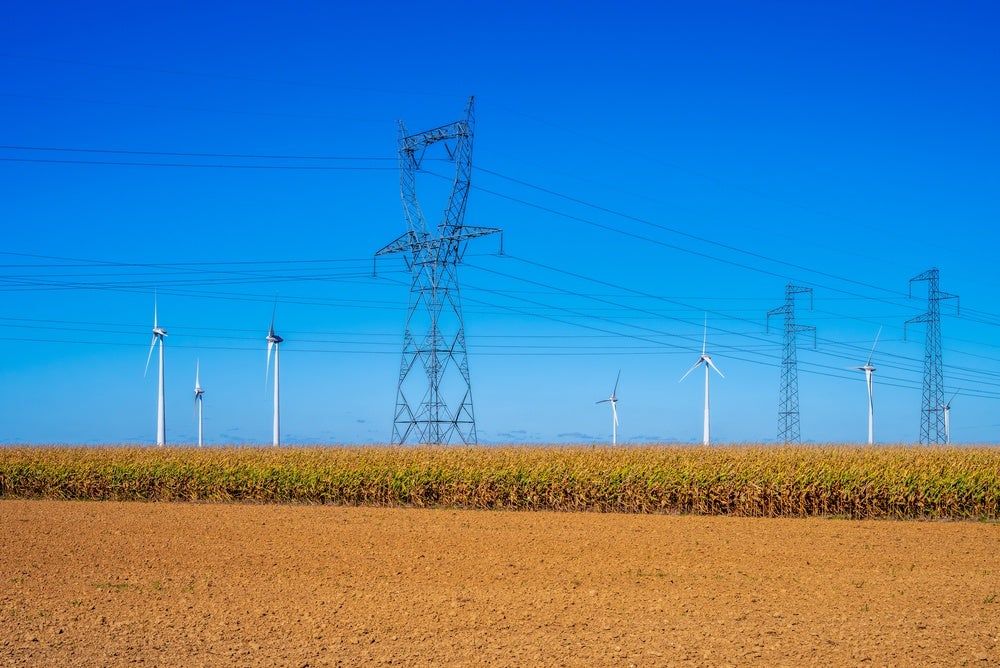
Accelerating industrial decarbonisation in France
French industrial facilities are rapidly transforming their operations as companies implement comprehensive energy efficiency measures, transition to electric power systems, deploy renewable generation capacity, and capture waste heat to slash energy expenses while reducing dependence on volatile oil and gas markets. This transformation aligns with the country's third Multi-Year Energy Plan (PPE3), officially adopted by decree on February 12, 2026, which establishes France's energy strategy for the 2026-2035 period and targets carbon neutrality by 2050.
Major industrial polluters are undertaking fundamental infrastructure changes, with steel producers replacing carbon-intensive blast furnaces with electric arc furnaces, while aerospace and automotive manufacturers install industrial biomass heating systems. These initiatives represent a decisive shift beyond incremental efficiency improvements toward comprehensive decarbonisation.
Nuclear power creates competitive advantage
Charles Huguet, Industry Development Manager at E.ON Energy Infrastructure Solutions, notes that France's distinctive electricity grid positions companies favourably:
"France is seen as one of the most interesting countries in Europe, dealing with robust energy infrastructure plus decarbonised electricity supply."
In 2024, France's nuclear fleet generated 67% of the country's electricity, producing 361.7 TWh from nuclear power—a six-year high representing a 13% increase from 2023. This reliable, low-carbon generation capacity can effectively replace natural gas or petroleum in heavy industrial applications. Overall, 96.2% of electricity generated in France during 2024 came from decarbonised sources, achieving a record low carbon intensity of 21.3 gCO2e/kWh. France became Europe's biggest electricity exporter in 2024, with net electricity exports reaching 89 TWh, the highest level in 22 years.
Economic benefits drive electrification
Replacing fossil fuels with electricity delivers financial advantages beyond emissions reductions. While electricity carries higher per-megawatt-hour costs, its superior efficiency often compensates. Heat pumps exemplify this principle, delivering three or four units of thermal energy for every unit of electricity consumed.
Electrification enables companies to convert fixed energy operating costs into flexible, revenue-generating assets. Manufacturers can participate in daily grid balancing mechanisms operated by RTE, France's transmission system operator, earning financial compensation by providing energy reserve capacity.
"Since 2024, this has been very remunerative in France,"
Huguet explains. "Any time manufacturers can justify that they can either consume or switch off electrical consumption in real-time, they can generate a lot of revenues on an annual appreciation."
Funding mechanisms support transformation
Public support programmes have become essential enablers throughout Europe, helping manufacturers overcome substantial upfront investment costs and financial risks associated with adopting technologies such as electric boilers, heat pumps, and on-site renewable systems. Industrial process heat—largely powered by fossil fuels—represents three-quarters of industrial emissions in Europe, making it a critical decarbonisation target. The European Commission expects the Innovation Fund 2026 Heat Auction to open for bidders in early December 2026, following publication of final Terms and Conditions on September 24, 2026, offering €1 billion to support industrial heat decarbonisation projects.
France launched the France 2030 Investment Plan with €5.6 billion allocated specifically for heavy industry decarbonisation in sectors including steel, cement, and chemicals, targeting 50 industrial sites responsible for over 10% of the country's total greenhouse gas emissions. France aims to reduce industrial emissions by 35% by 2030, with steel sector decarbonisation essential to meeting this goal.
Private finance models have become equally critical, according to Huguet. These arrangements involve partnering with specialised energy infrastructure firms that construct and finance new energy assets on behalf of industrial manufacturers. Such partnerships prevent clients from bearing infrastructure investment on their balance sheets, protecting debt ratios and allowing capital focus on core operations.
"E.ON Energy Infrastructure Solutions (EIS) is one of the pioneers of this model in Europe,"
Huguet notes. "We've been doing this for more than 15 years and are one of the most efficient companies in contract structuration."
Comprehensive project expertise
Partnership value extends far beyond financial structuring. Energy transition specialists at E.ON assume responsibility for complete project lifecycles, developing, designing, implementing, operating, and optimising entire systems for customers. This approach combines deep technical expertise with extensive knowledge of local infrastructure and regulatory frameworks to deliver optimal, cost-effective solutions.
Resulting projects feature highly integrated systems fully customised to each client's unique energy requirements, often incorporating multiple on-site renewable options alongside waste heat recovery or district heating network integration.
E.ON is currently developing France's first Ectogrid integrated heating and cooling network in the Magasins Généraux district of Reims. This solution will enable energy exchange between urban buildings, optimising heating and cooling demand across the district. Surface geothermal energy, heat pumps, rooftop solar photovoltaic systems, and thermal storage complete the installation.
In Seingbouse, north-eastern France, E.ON partnered with AGC Glass to install an 8 MW photovoltaic power plant on AGC's premises alongside an innovative 1.3 MW Organic Rankine Cycle system generating electricity from heat previously lost in flue gas. These solutions provide approximately 15 gigawatt-hours of decarbonised electricity annually, covering a substantial portion of the facility's total requirements.
Steel sector leads transformation
France produces approximately 15 million tonnes of steel annually, with the steel industry representing 18% of thermal energy consumption by French industry and 22% of greenhouse gas emissions. Ninety percent of this impact comes from blast furnaces, making electric arc furnace technology particularly valuable for emissions reduction.
All projects begin with comprehensive energy audits. E.ON identifies where facilities consume, emit, and waste energy, then proposes new architectures making processes more efficient and less fossil fuel dependent. Initial energy efficiency upgrades can substantially reduce consumption, as demonstrated by numerous reference projects with ArcelorMittal—one of the world's leading steel and mining companies.
ArcelorMittal commenced its partnership with E.ON in 2016 aiming to lower energy usage and carbon dioxide emissions while minimising production disruption. Work started with lighting, where LED solutions offered attractive savings. Since 2016, the partnership has expanded into approximately 30 projects across five to six French sites, incorporating heat recovery, HVAC upgrades, variable-speed drives, and other technologies.
Overall results include natural gas savings of 16 gigawatt-hours per year and guaranteed power savings of 8.2 gigawatt-hours annually.
E.ON has published a new report unpacking the full energy transition opportunity for France's industrial players, from flexible energy models to public funding possibilities and third-party financing, offering practical, cost-effective routes to strengthening energy resilience and turning electrification and decarbonisation into long-term competitive advantages.