Sharing access to scarce water
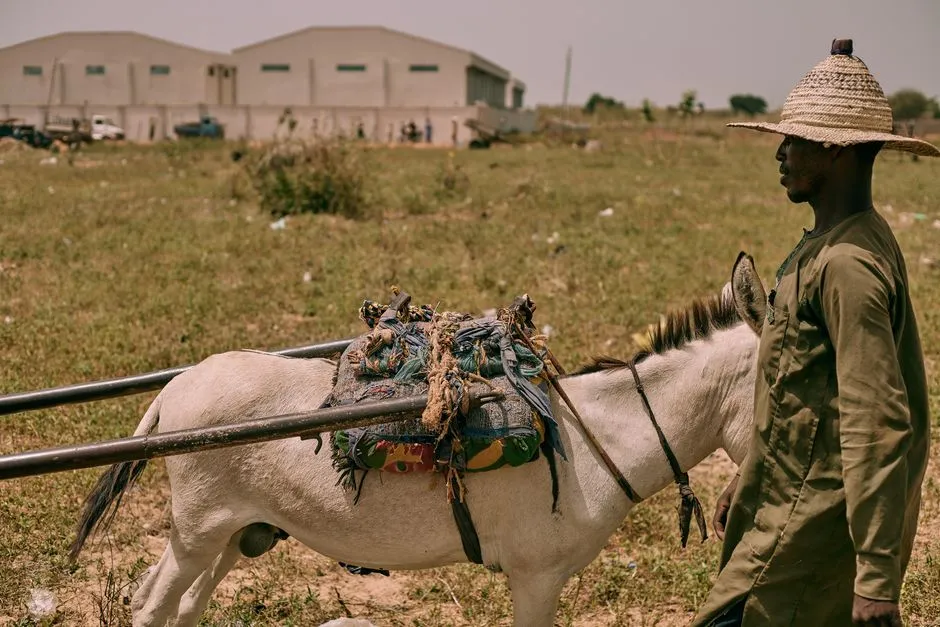
The dispute reflected years of friction between farmers and herders over water needed for crops, livestock and household food supplies. At this water point, shortages and limited time to collect water had led to arguments every morning, with patience wearing thin.
Search said the young people recognized the risk of escalation. Rather than taking sides, they asked women about the problem and used what they learned to develop a system that gave everyone equal access. The organization reported that calm returned within days.
Drawing on more than 40 years of work, Search argues that durable solutions should come from those directly affected. Its November 16 appeal offered dollar-for-dollar matching on donations up to $100,000. The funds would support training young people to recognize escalating tensions, helping communities design fair ways to share scarce resources, and intervening before shortages lead to conflict.
Conflict and displacement in the north
Farmer-herder disputes account for most reported security incidents in northern Benin, according to FEWS NET's Benin Context Report, published June 11, 2026. It distinguished those disputes from armed-group incursions, which have had the greatest effect on acute food insecurity.
The report recorded a sharp increase in security incidents in the north, from 67 in 2019 to about 420 in 2025, resulting in approximately 1,725 deaths. By late 2025, Benin had more than 58,000 internally displaced people, largely concentrated in the north. FEWS NET said many had likely been forced to move repeatedly.
FEWS NET also identified land ownership and grazing rights as frequent sources of intercommunal violence. Such disputes often involve nomadic herding communities, predominantly Fulani and Muslim, and subsistence farmers who generally belong to other ethnic groups.
Restrictions on livestock movement
Benin has prohibited cross-border transhumance, or seasonal livestock movement, since 2019 and substantially curtailed most movement within the country, according to an IPIS briefing published April 27, 2026.
IPIS interviewed farmers and herders in 2024 and 2025 in the Tchaourou, Parakou and N'Dali districts of Borgou department. Both groups agreed that the restrictions had notably reduced farmer-herder conflict in their area.
The briefing also described gaps in support for pastoralists. The government plans to secure 933 square kilometers for pastoral areas, roughly 10 square kilometers in each commune. But as of January 2025, essential infrastructure was still missing, including secure access to water points, grazing areas and marked livestock passageways. Every pastoralist interviewed continued some form of transhumance out of necessity.
A local agreement in central Benin
A separate community effort in Koko, a village in Bantè commune in central Benin, focused on keeping livestock routes and cultivated fields apart. Catholic Relief Services reported on September 3, 2025, that a local peace committee established through the Kadjogbé Fou Itounou project had marked transhumance corridors about 30 feet wide.
Farmers began planting at least 160 feet away from those corridors. During the first year after its training, the committee resolved several conflicts, CRS said.