Hundreds of Supermarkets in France Hit by Unprecedented Cyberattack
When hundreds of Retail locations across France suddenly found their checkout terminals frozen and logistics networks crippled, the illusion of robust digital infrastructure in our everyday supply chains vanished in an instant. Reporting for 24x7 Breaking News, our investigative desk has been closely examining how an unprecedented cyberattack on French supermarkets has thrown Europe's retail sector into complete disarray. We came across this developing crisis via Google News feeds, tracking how rapidly a digital breach can cascade into a physical humanitarian disruption for everyday shoppers and retail workers alike.
- Hundreds of supermarket locations across France experienced total point-of-sale system failures due to the sophisticated digital intrusion.
- Corporate management scrambled to isolate affected servers, halting online ordering and automated warehouse restocking.
- Cybersecurity experts note that the scale of this infiltration points toward coordinated state-sponsored or advanced criminal syndicate actors.
- Supply chain vulnerabilities continue to threaten fresh food distribution channels across multiple major metropolitan regions.
Anatomy of a Digital Siege on French Retail
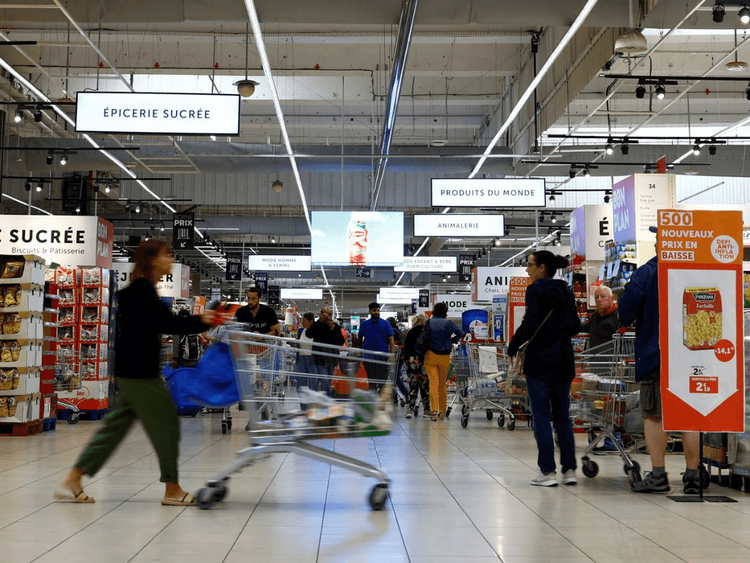
The digital intrusion struck without warning during peak shopping hours, locking out inventory management software, payroll systems, and customer-facing payment portals. According to initial reports collated by industry monitors and verified security analysts, major grocery chains were forced to revert to manual cash transactions or temporarily close flagship stores to prevent lateral malware movement. In our assessment of the situation, this incident is far more than a standard corporate data breach; it represents a textbook illustration of critical infrastructure vulnerability in modern capitalist economies.
Security researchers speaking with international wire services emphasize that retail conglomerates have spent years streamlining operations through interconnected cloud architectures without building adequate redundancy. When malicious actors inject malicious payloads into centralized supply chain networks, the operational paralysis is instantaneous. Similar warnings regarding infrastructure fragility have been echoed in other sectors, such as when analysts examine broader macroeconomic vulnerabilities like those outlined in our report on the UK Economic Growth Upgraded as Analysts Warn of 2027 Energy Crunch.
Corporate executives and public relations teams have rushed to reassure shareholders that customer financial data remains secure, yet unions representing retail employees tell a very different story. Workers on the ground report immense stress, dealing with chaotic crowds, broken cash registers, and zero direct communication from corporate headquarters regarding job security or shift continuity. This disconnect underscores a glaring systemic issue: while boardrooms prioritize profit margins and algorithmic efficiency, the actual human workforce bears the brunt of technological failures.
The Ripple Effect on Consumer Wallets and Labor
We need to look past the sanitized press releases issued by retail boards and examine what this crisis means for the average working-class family in France. When supermarkets cannot process inventory or track fresh produce deliveries, local food waste skyrockets and temporary shortages drive up prices on essential goods. For families already stretched thin by inflation and rising utility costs, any disruption to food distribution hits the kitchen table immediately.
Furthermore, hourly retail workers face lost wages and unsafe working conditions when stores are plunged into administrative darkness. Corporations that aggressively cut IT budgets and outsource technical support to low-cost third-party vendors must be held accountable for these catastrophic security lapses. Monopolistic retail consolidation means that when one major distribution network goes down, millions of consumers have virtually nowhere else to turn for their daily nutritional needs.
Our Editorial Perspective on Corporate Cybersecurity Failures
In our view, the ongoing cyberattack plaguing French supermarkets is a damning indictment of corporate deregulation and the relentless pursuit of digital cost-cutting. For decades, major retail corporations have outsourced vital IT infrastructure and automated warehouse logistics to maximize quarterly dividends, treating cybersecurity as an optional line item rather than a fundamental public utility. When these fragile digital towers collapse, executives retreat behind golden parachutes and crisis PR firms, while cashiers and stockers absorb the immediate professional and emotional fallout.
We believe that governments must step in with stringent regulatory mandates that penalize corporate negligence in cybersecurity. Food distribution is a cornerstone of national security and public health; treating supermarket databases like unregulated social media apps is a catastrophic policy failure. Until executives are held personally and financially liable for failing to protect critical supply chain infrastructure, these systemic hacks will only grow more frequent and devastating.
Frequently Asked Questions
Which supermarket chains in France were impacted by the cyberattack?
Multiple major French retail groups and independent supermarket franchises experienced widespread point-of-sale failures and logistical delays across hundreds of storefronts.
Is customer financial data at risk from this breach?
Preliminary forensic investigations suggest that core payment processing gateways were largely isolated, though corporate security teams are still conducting comprehensive audits.
How long will it take for affected supermarkets to fully restore operations?
While emergency manual systems allowed some stores to reopen, full restoration of automated inventory and supply chain networks is expected to take several days.
Ultimately, this unprecedented cyberattack on French supermarkets demonstrates how easily our modern consumer society can be brought to a standstill by systemic technological neglect. So here's the real question — when will governments finally treat supermarket supply chains as vital national security infrastructure rather than private corporate playgrounds?