
Appeal court annuls French property sale over concealed wind turbine plan
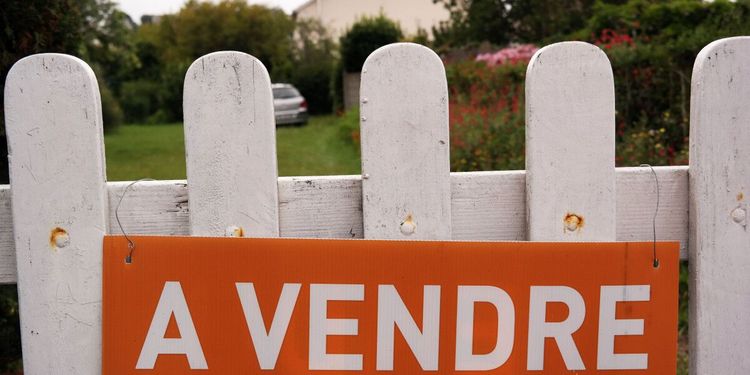
An appeal court in Poitiers has annulled the sale of a property in Charente-Maritime after ruling that the sellers deliberately concealed plans for four wind turbines to be erected one kilometre from the house.
The court ordered the vendors to repay the €233,000 purchase price along with €19,641 in transaction fees, and awarded the buyers €15,793 for heating system repairs plus €10,000 in damages.
The case highlights the strict obligations French property law places on sellers to disclose all relevant information to buyers. Courts rigorously enforce this duty, and buyers can seek price reductions or complete cancellation of sales when sellers fail to provide material information.
Sellers' involvement in opposition group
The vendors, who purchased the house in 2007, became active members of a local association formed to oppose the wind farm project when it was announced in 2012. Despite this involvement, they signed a mandate with an estate agent in 2016 stating they knew of no projects that might affect the property. The couple defended themselves by claiming that as native English speakers, they had not fully understood the mandate wording.
The sale completed in February 2017. The buyers, also English speakers, only learned about the wind turbine plans in 2018 when they received a flyer from the anti-wind farm association. At a subsequent meeting, they discovered the vendors had been founding members of the opposition group.
Distance regulations and growing concerns
The turbines were planned to be installed one kilometre from the property, double the legal minimum distance of 500 metres required in France between wind installations and residential homes. French parliament voted in April 2015 against doubling this minimum distance requirement to one kilometre.
However, French courts are increasingly recognizing that wind turbines can impact residents beyond the statutory distance. In March 2026, a court ruled for the first time that turbines can affect mental health even at 750 metres from a home, well beyond the 500-metre legal threshold.
Regional controversy over wind farms
Wind farm projects in Charente-Maritime have proven particularly contentious. The 2012 regional wind scheme for the former Poitou-Charentes Region, which includes Charente-Maritime, was cancelled in 2017 by administrative courts due to the absence of environmental assessment, creating regulatory uncertainty that allowed numerous operators to pursue projects. Local officials launched a wind energy observatory in early 2019 in response to growing concerns about the proliferation of turbine projects and widespread opposition from residents, associations and elected officials.
The buyers had initially cited the quiet environment as one of the property's main attractions. They later spent €15,000 repairing the geothermal heating system when the main heat exchanger failed.
Court proceedings and legal responsibility
In an earlier hearing, the buyers lost their case when judges ruled there was insufficient evidence the wind farm would affect them. The appeal court reversed this decision, accepting that the buyers should have been informed about the project during the property viewing.
The vendors attempted to shift responsibility to the estate agents, arguing they knew the area and must have been aware of the widely reported wind farm plans. The court rejected this argument, ruling that the estate agents had been deliberately misled when the couple signed the mandate denying knowledge of any relevant projects.
The ruling adds to a growing body of French case law establishing time limits for buyers to challenge property sales. Under French property law, buyers can bring action within two years of discovering undisclosed information, rather than from the date of purchase, though proving seller knowledge can present challenges.