
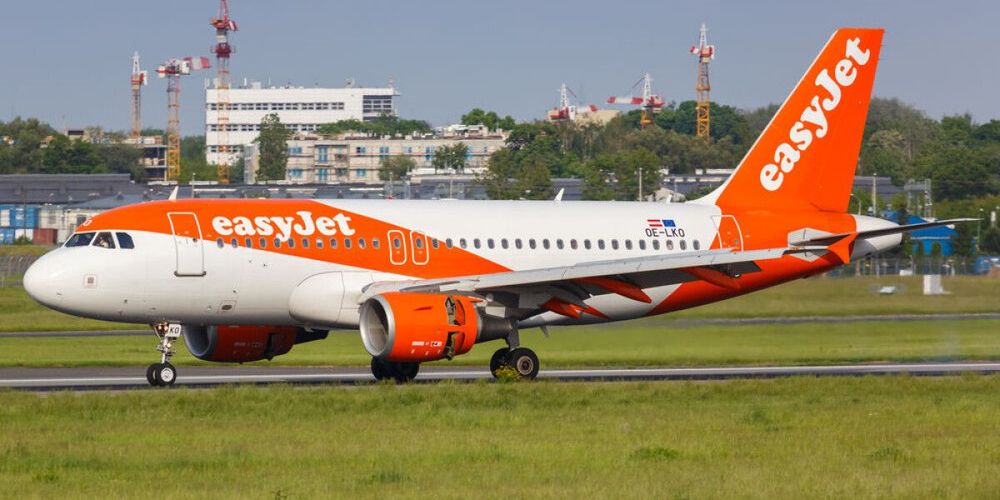
EasyJet pilots in France delay strike action to September 24-25 following renewed negotiations
Pilots based at easyJet's six French airports have postponed strike action originally scheduled for this week, pushing back the walkout to September 24-25 after the airline agreed to restart negotiations over working conditions.
The Syndicat National des Pilotes de Ligne (SNPL), France's largest airline pilot union representing more than 40 airlines across the country, called off the initial strike planned for September 13-14 over the weekend. The union said the postponement would "give this renewed dialogue a genuine chance of success" while maintaining the strike notice for later in the month.
SNPL, which has represented airline pilots in France since 1952 and is the only French pilot association with representation at European and international levels, said no firm commitments have yet been secured on key demands related to schedule stability and working conditions.
Scheduling disputes mirror cabin crew concerns
The dispute centers on frequent last-minute changes to pilot schedules, with the union reporting that pilots often finish a month without a single day matching their original roster. "It is not uncommon for a pilot to end the month with a schedule where not a single day matches what was originally planned at the start of the month," SNPL stated.
The pilots' demands echo a recent dispute with easyJet cabin crew, which resulted in strike action in August. That dispute was resolved after the airline agreed to guarantee cabin crew at least five fixed days per month when schedules cannot be changed, plus compensation for schedule changes exceeding two hours. The August strike affected nearly 100 flights according to easyJet before the agreement was reached.
SNPL argues that pilots should receive similar protections, noting they "operate the same aircraft and the same flight rotations within the same operational environment" as cabin crew. The union's concerns about scheduling practices have historical precedent—in 2017, SNPL raised concerns about easyJet France scheduling in communications regarding operational pressures.
Widespread disruption possible at French bases
If negotiations fail, pilots at all six of easyJet's French bases—Paris Orly, Paris Charles-de-Gaulle, Nantes, Lyon, Nice, and Bordeaux—could participate in the September 24-25 strike. France represents easyJet's second-largest market, approximately twice as large as its Italian operations, making potential disruption significant.
Under French labor law, pilots must provide 48 hours notice before striking, giving the airline advance warning to adjust operations. The strike notice creates a legal framework for potential walkouts during the specified period, but individual pilots must declare their intention to strike two days beforehand.
EasyJet has faced multiple episodes of industrial action in France throughout 2026. Cabin crew strikes on Easter Monday affected 25-40% of French flights, while August 15-16 walkouts saw participation rates reach 68% nationally and up to 80% at bases including Lyon and Paris Charles-de-Gaulle.
Passenger rights and compensation
Travelers booked on flights during the potential strike period should monitor communications from easyJet through email, text messages, or the airline's mobile app. Because any disruption would result from internal staff action rather than external circumstances, passengers affected by cancellations or significant delays would be entitled to compensation under EU Regulation 261/2004, which provides for payments of €250 to €600 depending on flight distance and delay duration.
The regulation distinguishes between strikes external to an airline, which may be considered extraordinary circumstances, and internal staff strikes, which do not qualify for exemption from compensation requirements.
Passengers traveling during this period should verify their flight status in the 48 hours before departure, when clearer information about strike participation will become available.