
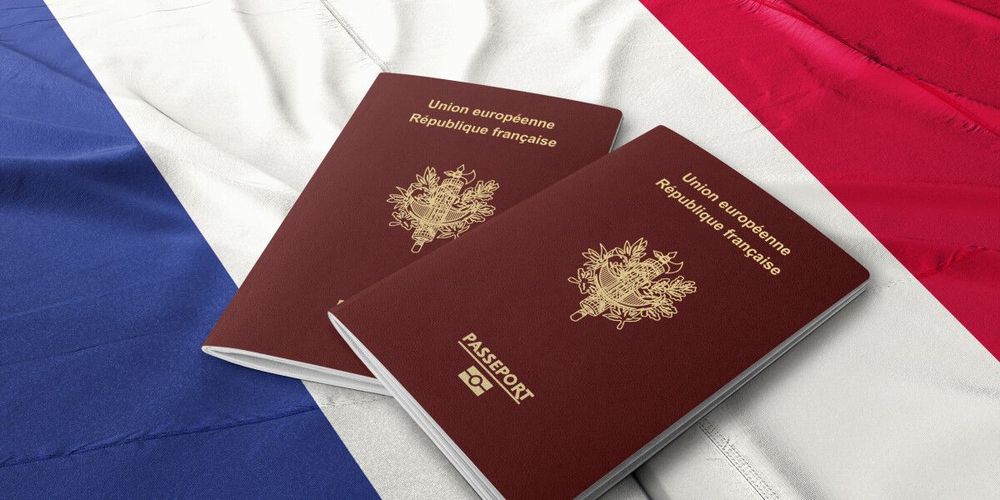
New civic exam and language requirements
France's official citizenship handbook has tripled in size, expanding from 28 to 83 pages as part of sweeping changes to the country's naturalization process that include a new mandatory civic exam and raised language requirements.
The livret du citoyen, published in the Journal Officiel on July 16, 2026, replaces a 2022 version that had remained largely unchanged since 2015. The expanded handbook reflects the government's heightened emphasis on republican values, state secularism, and integration into French society.
Since January 1, 2026, citizenship applicants must pass a civic exam consisting of 40 multiple-choice questions administered on a computer over 45 minutes. Candidates need to score at least 80 percent—answering 32 questions correctly—to pass. The exam certificate remains valid for life, meaning applicants need not retake the test if their naturalization application faces delays.
Alongside the civic test, the French language requirement was raised from B1 to B2 level. This advanced proficiency standard requires applicants to understand complex texts and express themselves clearly in a structured and spontaneous manner.
These changes stem from a comprehensive immigration law published on January 27, 2024, with implementation decrees issued in December 2025 setting specific requirements across different residence categories.
Stronger focus on republican principles
The handbook now provides more detailed explanations of laïcité, France's principle of state secularism. Probably reflecting concerns following the January 7, 2015 Charlie Hebdo attack—when two gunmen killed 12 people including eight editorial staff members in revenge for the magazine's cartoons depicting the Prophet Muhammad—the new handbook explicitly states that France has no blasphemy laws.
Everyone has the right to criticise or mock a religion, including by caricature
The document outlines freedom of expression while noting its legal limits, including prohibitions on defamation, incitement to hatred, and Holocaust denial.
Organized around exam themes
The 2026 handbook is structured into five parts corresponding to the official civic exam themes: principles and values of the Republic, the institutional system, rights and duties, history-geography-culture, and life in French society.
Beyond cultural and historical content, the handbook now includes substantially more practical guidance on everyday matters, from healthcare reimbursement procedures and driving regulations to employment rights and family life.
Context and impact
The new requirements arrive as naturalization numbers decline. In 2025, approximately 62,000 people acquired French nationality, with 42,347 obtaining citizenship by decree—a 13.3 percent decrease from 2024 levels.
Applicants should also prepare for significant variation in processing times. While Paris prefectures process applications in 5-7 months, some rural prefectures take over four years, with a national average of 18 to 24 months from filing to publication in the Journal Officiel.
Past experience suggests that prefecture interviews frequently cover topics included in the livret du citoyen, making thorough study of the handbook essential for anyone seeking French nationality. The handbook is available for download from the French government's website.