France implements EU right to repair directive with extended warranty and manufacturer obligations
French consumers now benefit from strengthened repair protections under European Union Directive 2024/1799, which came into force on July 31. The directive introduces extended warranty periods and mandatory repair obligations for manufacturers across 10 categories of household electrical goods.
The new rules bring two significant changes to consumer protection. When a product breaks during the standard two-year warranty period and the consumer chooses repair over replacement, the warranty now extends for an additional year. This represents a doubling of the previous six-month extension. If manufacturers or sellers insist on replacement instead of repair, a fresh two-year warranty begins from the replacement date.
Decade-long repair rights for electrical appliances
The directive's most substantial innovation applies to 10 categories of household electrical goods:
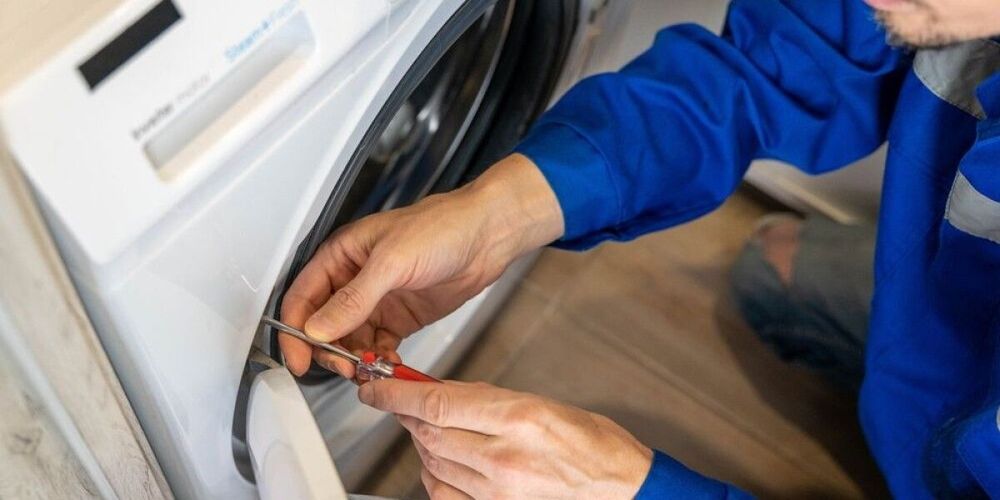
- washing machines and washer-dryers
- dishwashers
- refrigerators
- electronic displays including televisions
- welding equipment
- vacuum cleaners
- servers and data storage products
- mobile phones and tablets
- tumble dryers
- products incorporating light transport batteries such as e-scooters
For these items, manufacturers must offer repairs for between five and 10 years after purchase, depending on the product type. While repairs are not provided free of charge, they must be completed at reasonable prices and within reasonable timeframes. Manufacturers cannot refuse repairs for economic reasons such as spare parts costs, though they may decline repairs deemed impossible for technical reasons.
Products previously repaired by third parties cannot be rejected by manufacturers, even if such repairs caused the current fault. Information on repair services and standard pricing for common repairs must be readily accessible through product manuals or manufacturer websites.
The directive forms part of the European Green Deal, working alongside the Ecodesign for Sustainable Products Regulation and the Directive on Empowering Consumers for the Green Transition. These measures address Europe's significant electronic waste challenge: the continent generates approximately 17 kilograms of e-waste per inhabitant annually, the highest rate globally. In 2022 alone, Europe produced 10.7 million tonnes of e-waste, with only 54 percent managed through compliant systems.
France's pioneering repair initiatives
France has positioned itself as a European leader in repair legislation. The country became the first in Europe to implement a legally binding repairability index in January 2021, requiring manufacturers to display scores from 1 to 10 indicating how easily products can be repaired.
The bonus réparation scheme, created in December 2022 under France's anti-waste circular economy law, provides financial support ranging from €15 to €60 for repairs of electrical appliances and electronic devices. The aid covers 73 product categories and is deducted directly from repair invoices at certified QualiRépar professionals. France's ecological transition agency ADEME, which administers the program, aims to reach 12 million bonus-supported repairs by 2027.
Consumer demand for repair options appears strong. A Eurobarometer survey found that 77 percent of EU citizens would rather repair their electrical appliances than discard them.
By July 31, 2027, EU member states must establish a European online platform to help consumers locate repair services, whether through official companies, third-party repair shops, or community-based initiatives. The platform will become fully operational by January 1, 2028. France's ADEME currently operates a similar website offering self-repair tutorials and information on the bonus réparation scheme.
The new regulations apply to all EU companies and, for imported goods, to official importers or brand representatives. Where no such company exists, responsibility for repair rights falls to the seller. Note that professional versions of some products, such as commercial washing machines and refrigerators, are exempt from the household appliance provisions.