France expands aid scheme for homes damaged by clay soil subsidence
Property owners in parts of France affected by clay-related structural damage can now access expanded government assistance after authorities relaxed eligibility requirements for a support scheme that initially struggled to attract applicants.
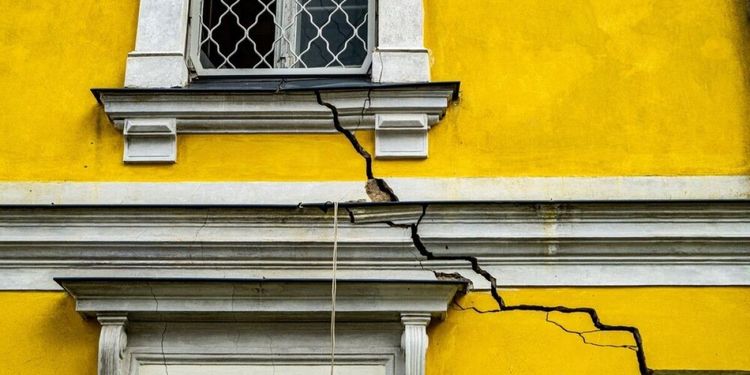
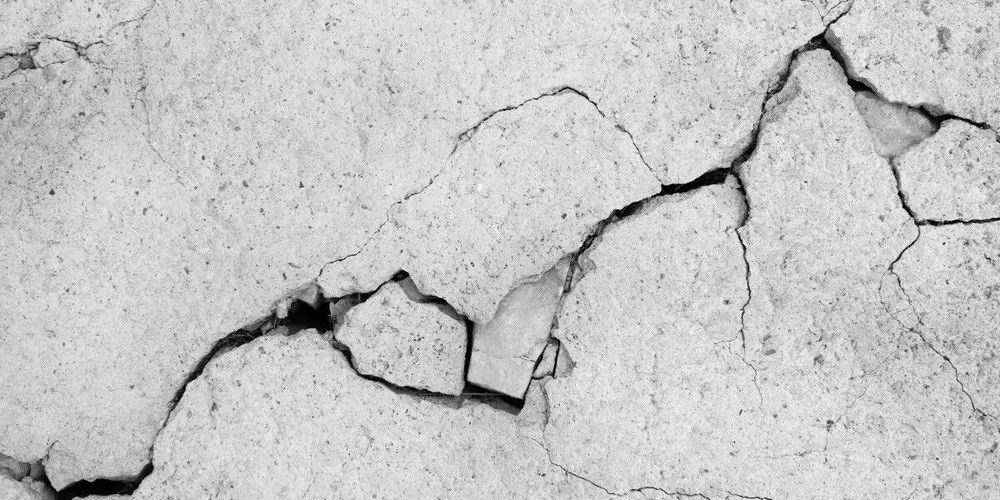
The €30 million programme targets departments with high insurance claim rates for homes cracked by clay soil movement. During drought periods, clay shrinks before expanding again when rain returns, placing stress on buildings and causing cracks in walls and other structural damage.
Slow start prompts policy changes
A six-month pilot phase yielded only 19 successful applications across 11 departments, prompting Housing Minister Mathieu Lefèvre to announce modifications in late May to speed up claims processing and broaden eligibility.
The problem has accelerated dramatically in recent years. Between 2018 and 2022, approximately 240,000 insurance claims were filed for clay subsidence damage, representing 58% of all such claims filed since 1989. The 2022 drought alone triggered an estimated €2.9 billion in compensation payouts, making it the most expensive subsidence event in the history of France's natural catastrophe insurance scheme.
Clay soil subsidence has now become the second-costliest natural hazard in France after flooding, accounting for 20% of all natural catastrophe declarations and 36% of total compensation costs. Since 1989, the phenomenon has cost over €20 billion in compensation payments under the catastrophe naturelle insurance system.
Expanded eligibility criteria
Recent regulatory changes have modified the trial programme to include properties with up to three storeys, after authorities discovered that some homes with cellars had been excluded by the previous two-storey limit. Restrictions on eligible crack types have also been eased.
The scheme operates in two phases. Initially, eligible homeowners obtain a comprehensive assessment of structural problems. A second phase provides assistance with selecting and funding preventive measures and repairs, including access to low-interest bank loans.
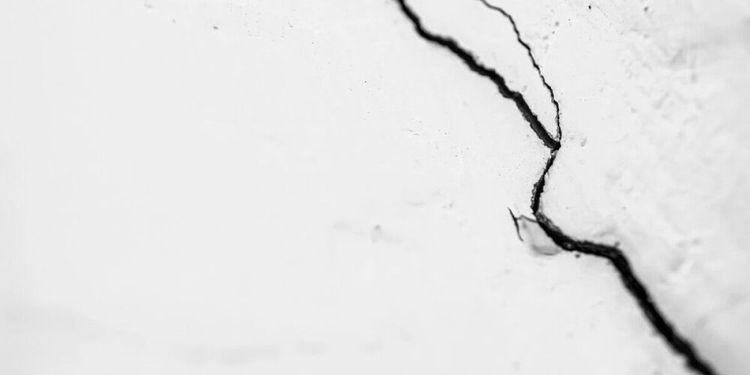
However, criteria for receiving repair assistance have been tightened. Cracks must now measure at least 5mm wide, compared with the previous 1mm threshold.
The pilot covers 11 departments: Allier, Alpes-de-Haute-Provence, Dordogne, Gers, Indre, Lot-et-Garonne, Meurthe-et-Moselle, Nord, Puy-de-Dôme, Tarn and Tarn-et-Garonne.
Growing scope of the problem
A new exposure map approved by the environment ministry in 2026 classified 55% of mainland France as being at medium or high risk of clay subsidence, up from 48% in the previous 2020 assessment. More than 12 million homes are now considered at risk.
Properties built after 1976 face particular vulnerability. Nationwide building standards introduced at that time permitted smaller and shallower foundations than currently required, with many homes constructed using concrete blocks. The average cost of repairing clay subsidence damage to a single-family home reaches €16,500, the highest among all home insurance claim types.
To address future construction, stricter building regulations were implemented in 2020 under the ELAN law, requiring soil analysis and reinforced foundations in medium and high-risk clay areas. These requirements took full effect in 2024.
The French catastrophe naturelle insurance system, created in 1982 with drought coverage added in 1989, operates on a principle of national solidarity. Coverage is mandatory in all property damage insurance contracts, with 90% of the market reinsured by the state-owned Caisse Centrale de Réassurance.