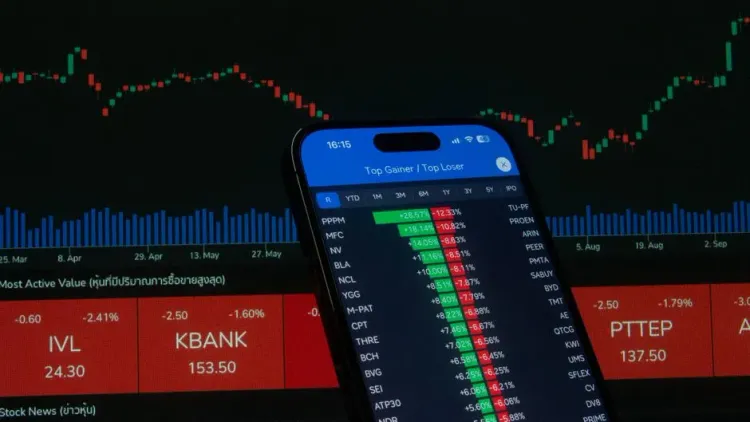
Germany leads the yield decline
At 4:14 p.m. GMT, Germany's 10-year yield stood at 3.30%, a decline of 0.11 percentage points from the previous close, according to Il Sole 24 Ore Radiocor. Yields in the other four markets each fell 0.08 percentage points: France to 4.86%, Belgium to 4.31%, Italy to 4.41% and Spain to 3.91%.
A separate report from Ideal Investisseur, using Banque de France and Deutsche Bundesbank data, put the French 10-year OAT/German Bund spread at 155.4 basis points as of November 20, an increase of 5 basis points from the previous session. During the preceding year, the spread ranged from 59.0 to 174.6 basis points and averaged 84.9 basis points. Its record high in the available history was 225.1 basis points on November 17, 2011.
Stock losses and cheaper oil support bonds
The retreat in equities supported German bonds, the euro area's benchmark, Reuters reported via Zawya. Falling oil prices also helped bonds: Brent crude futures lost 2% to reach $90 a barrel, compared with $118 in late October.
The day's decline in yields followed a broader retreat from multiyear or multidecade peaks reached in September and October 2026. Reuters attributed that earlier pullback to cooling energy prices and falling technology stocks.
Rabobank senior rates strategist Lyn Graham-Taylor called the bond-market response "quite a decent move" but said it was "not particularly massive" relative to the losses in equities. He cautioned that it was too early to tell whether the AI selloff would lead to a sustained period of bond strength.
Central bank developments
Earlier on November 20, European Central Bank President Christine Lagarde said the ECB would broaden access to its currency swap lines with other countries. The planned change is intended to protect the euro area against external financial shocks and strengthen the euro's global role.
In the United States, minutes from the Federal Reserve's October 2026 meeting, released November 19, showed that some policymakers favored a larger-than-usual rate increase of half a percentage point in December. LSEG data subsequently showed money markets assigning a 92% probability to a 25-basis-point December increase and an 8% probability to a 50-basis-point increase.