Property seller ordered to pay €35,000 after concealing administrative safety order
A property seller in southern France has been ordered to pay €35,166 in damages after buyers discovered an administrative safety order preventing them from using their courtyard—information the seller failed to disclose before the May 2022 sale.
The unnamed couple purchased the house for €190,000 during a period when French property prices had risen approximately 27.8% between 2018 and 2022. Only after moving in did the local council inform them of an arrêté de péril—an administrative decision issued by the mayor when a building presents a danger to occupants or the public—affecting the neighbouring property.
The order, governed by Articles L511-1 to L511-22 of the Code de la construction et de l'habitation, had been issued following a gas explosion that damaged the adjacent building six months before the sale. The risk that a shared wall could collapse made the couple's courtyard inaccessible.
Proof of seller's knowledge proved decisive
The buyers learned that the safety order had been published two months before their purchase. They took legal action against the seller, estate agent, and notaire, arguing they would never have proceeded with the transaction had they known about the restriction.
The couple sought €117,000 in total compensation, including €77,000 for financial loss, €30,000 for the lost opportunity to negotiate a lower price, and €10,000 for moral damage.
In its September 23, 2025 ruling, Montpellier's district court held the seller liable under the warranty against hidden defects. The buyers produced the administrative order dated March 1, 2022, bearing the notation "Received and notified on March 4, 2022" with the sellers' signatures—clear proof the sellers knew about the issue before the sale.
French law requires disclosure
Under Article 1641 of the French Civil Code, sellers must deliver property free from hidden defects and guarantee buyers against them. Unlike common law systems that follow caveat emptor ("buyer beware"), French property law imposes a mutual obligation of disclosure, requiring sellers to provide all key information that would impact a buyer's willingness to purchase.
A hidden defect under French law is not necessarily one deliberately concealed—it is simply one not apparent during a reasonable inspection at the time of sale. However, when sellers have actual knowledge of a defect, they cannot escape liability, even if they include contractual clauses attempting to waive their responsibility.
Buyers who discover hidden defects have two years from the date of discovery to file a claim, within an overall limit of 20 years from the sale.
Court calculates damages based on lost negotiating opportunity
Rather than seeking to annul the sale or obtain a price reduction, the buyers pursued damages for the lost opportunity to negotiate a lower purchase price. An independent estate agent commissioned to assess the loss estimated the property's fair value would have been between €160,000 and €170,000 had the safety order been disclosed.
The court determined the buyers had lost the chance to negotiate a €30,000 reduction, awarding them €28,500 for this lost opportunity. Additional compensation included €4,666 for loss of use and €2,000 for moral damage, bringing the total award to €35,166.
The estate agency and notaire were not held responsible. French notaires are public officials appointed by the state who act impartially to ensure property transactions comply with the law, conducting due diligence including checking for liens and verifying ownership. In this case, the court found no fault with their conduct.
Not an isolated ruling
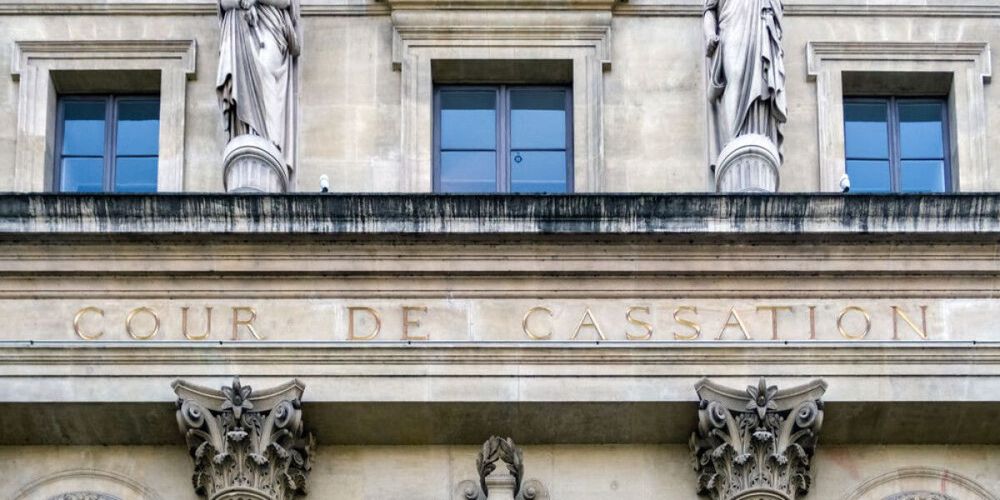
This decision follows similar precedents in French courts. A 2025 ruling by the Cour de cassation found both a seller and estate agent liable for failing to disclose serious roof issues, noting the agent should have requested proof of the seller's claim that mandatory biennial roof inspections had been conducted.
The case underscores the strict disclosure obligations property sellers face in France and the potential financial consequences of withholding material information from buyers.