High-Level Meeting in Bangkok
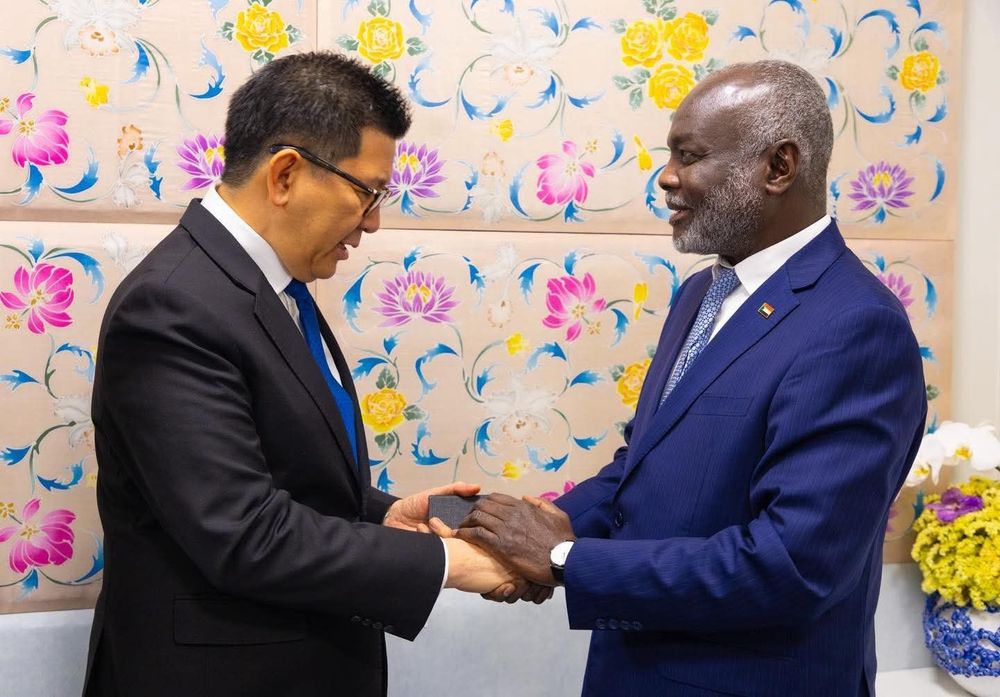
Sudan's Minister of Finance, Dr. Gibril Ibrahim, met with Thailand's Deputy Prime Minister and Finance Minister, Ekniti Nitithanaprapas, on October 17, 2026, to explore opportunities for strengthening bilateral economic ties and supporting Sudan's reconstruction efforts. The meeting occurred during the annual gatherings of the World Bank Group and International Monetary Fund in Bangkok, which drew over 15,000 participants from 191 countries for the October 12-18 event.
Technical Education and Workforce Development
The discussions centered on leveraging Thailand's established technical and vocational education and training system to help rebuild Sudan's workforce capacity. Thailand's TVET framework, regulated by the 2008 National TVET Act and administered through over 400 vocational colleges nationwide under the Office of the Vocational Education Commission, offers a proven model for developing skills aligned with labor market demands.
Sudan's Humanitarian Crisis
Sudan has faced severe challenges since civil war erupted in April 2023 between the Sudanese Armed Forces and the Rapid Support Forces, displacing over 8.8 million people internally and forcing 3.5 million to flee as refugees. By September 2025, approximately 30.4 million Sudanese required humanitarian assistance, with nearly 25 million severely affected by famine conditions that were first confirmed in August 2024.
The military situation shifted significantly in early 2025 when government forces recaptured major portions of Khartoum, including Omdurman in January and Bahri in February, while breaking a two-year siege of al-Obeid. These territorial gains have created new possibilities for recovery planning and international engagement.
Agricultural Development and Food Security
According to the Ministry of Finance statement, both sides examined ways to utilize Thai expertise and technology to enhance agricultural production and address food security challenges. Agriculture represents a critical pillar of Sudan's reconstruction strategy, with the sector requiring substantial investment in food production technologies, machinery, and strategic partnerships to restore productive capacity.
The meeting also addressed broader reconstruction financing needs, estimated between $10 billion and $12 billion due to conflict-related damage. Sudan faces unsustainable debt levels following interrupted debt relief processes that were disrupted by the 2021 coup and subsequent outbreak of war in 2023.
Private Sector Engagement
Both ministers emphasized expanding the role of private enterprise in Sudan's recovery, a priority underscored by the fact that the private sector provides approximately 98 percent of jobs in Sudan. However, businesses face significant obstacles including lost assets and limited access to capital, making international investment partnerships essential for economic revival.
Dr. Gibril Ibrahim, who has served as Finance Minister since February 2021 and also chairs the Justice and Equality Movement, a Darfuri group that signed the Juba Peace Agreement in October 2020, brings both financial expertise and political experience to reconstruction negotiations.
Technology and Future Cooperation
The Bangkok meetings featured artificial intelligence and modern technology as central themes, with sessions examining how AI could support developing economies' recovery and address workforce transformation challenges. Discussions also covered mobilizing private capital for development, blended finance instruments, and support mechanisms for crisis-affected countries.
Both parties agreed to maintain ongoing communication between relevant authorities to identify priority cooperation areas and develop practical initiatives. The partnership aims to support Sudan's transition toward sustainable economic growth while drawing on Thailand's development experience in technical education, agricultural advancement, and economic recovery strategies.