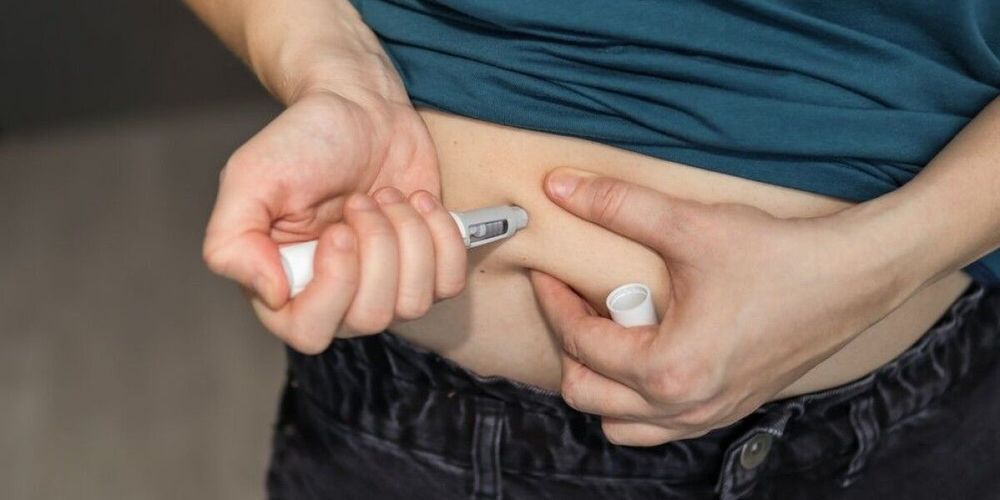
French regulator reports 17 serious adverse events from improper use of obesity medications
France's national medicines regulator has issued an alert following reports of serious health complications tied to the improper use of medications designed to treat obesity and type 2 diabetes. The Agence nationale de sécurité du médicament et des produits de santé (ANSM) documented 36 adverse event reports between February 2025 and January 2026, with 17 classified as serious, including five instances of acute pancreatitis.
In two-thirds of the reported cases, patients had acquired the medications without consulting a physician, obtaining them through online sources, from acquaintances, family members, or while traveling abroad. Online sales of prescription medicines remain illegal in France, where only authorized pharmacies may sell non-prescription medications through digital channels.
The agency noted that more than 90 percent of cases involved improper dosing, either exceeding recommended amounts or escalating doses too rapidly. Additional complications included nutritional deficiencies, malnutrition, and potential interactions with other medications patients were taking.
Fatal outcomes under investigation
The ANSM report identified two deaths that may be connected to acute pancreatitis, a recognized side effect of GLP-1 medications, the class of drugs used in obesity treatment. Two additional fatalities may be linked to lactic acidosis in diabetic patients taking metformin, as dehydration associated with GLP-1 drugs can elevate this risk. Lactic acidosis occurs when lactate accumulates in the bloodstream faster than the body can eliminate it, creating dangerously high acidity levels.
Supply constraints have contributed to the proliferation of unauthorized sources for these medications. Wegovy and Mounjaro experienced significant shortages across Europe and the United Kingdom through 2025, with global demand far exceeding manufacturing capacity. These supply bottlenecks have driven some patients to seek alternative procurement methods.
In September 2025, ANSM warned of a sharp increase in online advertisements and counterfeit GLP-1 products, filing approximately 20 reports against illicit websites through its cybercrime platform. The problem intensified after June 23, 2025, when France expanded prescribing authority for anti-obesity medications from specialists to all physicians, a regulatory change that inadvertently may have fueled illegal market activity.
Medications carry favorable risk profile when properly used
The regulator emphasized that GLP-1 medications, including Wegovy, Mounjaro, Saxenda, and Ozempic, maintain a favorable benefit-risk balance when used according to medical guidelines. These drugs work by mimicking GLP-1, a hormone that regulates appetite and blood sugar levels.
The global market for GLP-1 receptor agonists was valued at approximately $53.5 billion in 2024 and is projected to reach $268.4 billion by 2034, reflecting annual growth of 17.5 percent. This rapid commercial expansion has increased both legitimate access and illicit availability of these medications.
ANSM continues to monitor potential risks associated with GLP-1 drugs, including eye problems, strokes, erectile dysfunction, gallbladder infections or inflammation, and liver damage. The 36 reports represent a small fraction of the approximately 59,000 adverse drug effect reports the agency received in 2023, excluding COVID-19 vaccines.
Prescription and reimbursement requirements
In France, Wegovy and Mounjaro may be prescribed to adults with a body mass index of 30 or higher, or between 27 and 30 if accompanied by at least one weight-related health condition such as diabetes, hypertension, or sleep apnea. The medications are intended to complement reduced-calorie diets and increased physical activity, not serve as standalone cosmetic weight-loss solutions.
Since June 15, 2026, Wegovy and Mounjaro have been eligible for reimbursement, but only for patients with an initial BMI of at least 40, or at least 35 alongside a qualifying weight-related condition. Candidates must also have failed to achieve sufficient weight loss after six months of appropriate nutritional management.
To qualify for reimbursement, the initial prescription must come from an authorized specialist involved in obesity care, though subsequent prescriptions can be issued by any physician. Eligible patients receive 65 percent reimbursement through state health insurance, with final coverage amounts varying based on individual circumstances and supplementary insurance policies.