
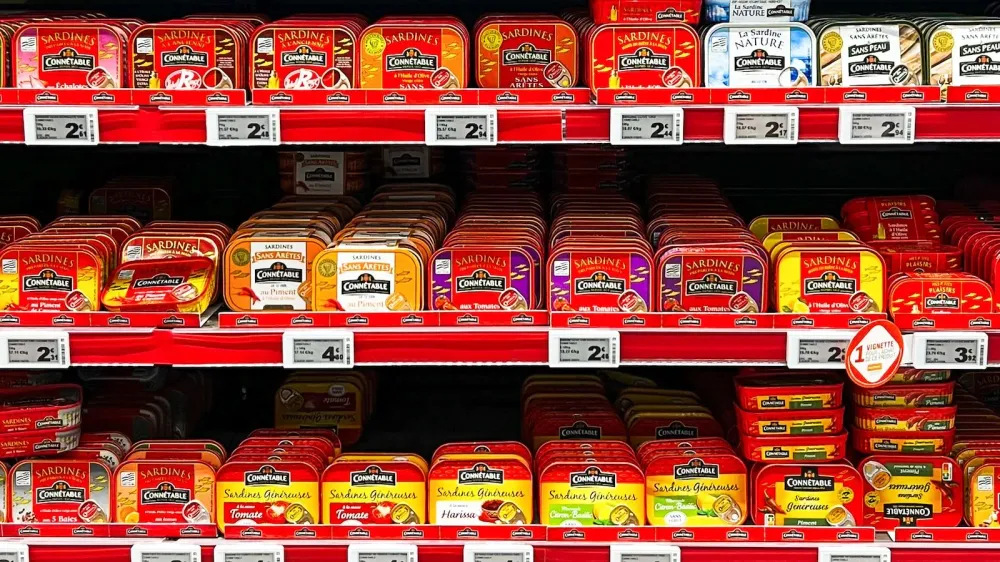
Hundreds of French sites affected
Barrot put the number of affected food distribution sites in France at 700, according to POLITICO. CNN reported that fresh produce spoiled at around 700 retailers. Reports on the October attack against the Intermarché supermarket chain said refrigeration and freezing systems were disrupted at about 150 stores.
Hackers allegedly changed temperature settings remotely, leading to food spoilage and fires in some equipment, BBC reported. A French supermarket owner cited by Reuters estimated that the nationwide cost could reach tens of millions of euros.
French officials identified Danfoss refrigeration controllers as one way the attackers accessed the systems, according to NPR. Many affected controllers were older models, some dating to the mid-2000s, that can no longer receive new, secure software.
Sanctions and a judicial investigation
At his November 9 news conference, Barrot called the attack "unprecedented in both its scale and its level of aggression" and said France would "implement sanctions at the European level against all those responsible for this attack," BBC reported.
He also characterized the October incident as the first large-scale cyberattack intended to cause sabotage on French territory, according to CNN. France summoned Iran's ambassador to the foreign ministry over the attacks, Barrot said, as reported by CNN and Reuters.
That same day, Paris prosecutor Laure Beccuau said her office had opened a judicial investigation and requested international arrest warrants for the leader of Shahid Kaveh and his two deputies, France 24 reported. The offensive cyber unit is affiliated with the Revolutionary Guards' Electronic and Cyber Centre, known as IRGC-CEC.
Further disruptions across Europe
The October attacks were followed by another wave in early November that affected more than 100 establishments across Europe, Reuters reported. Refrigerators used by French blood banks were among those affected, requiring employees to transfer some blood to other cold storage units.
Reports of supermarket disruptions during the week before France's announcement named seven countries: Belgium, Luxembourg, Sweden, Ireland, the Netherlands, Estonia and Finland. Refrigeration units reportedly entered defrost mode, with freezers reaching temperatures as high as 50°C. Retailers had to discard perishable food.
U.S. military refrigeration failures under investigation
Reuters also reported that refrigerators stopped working at at least half a dozen U.S. military commissaries in August 2026. Pentagon investigators are examining those failures as a suspected cyberattack and are working with French officials.
A person familiar with the matter told Reuters that the Pentagon considers Iran a suspect in the U.S. incidents.






