
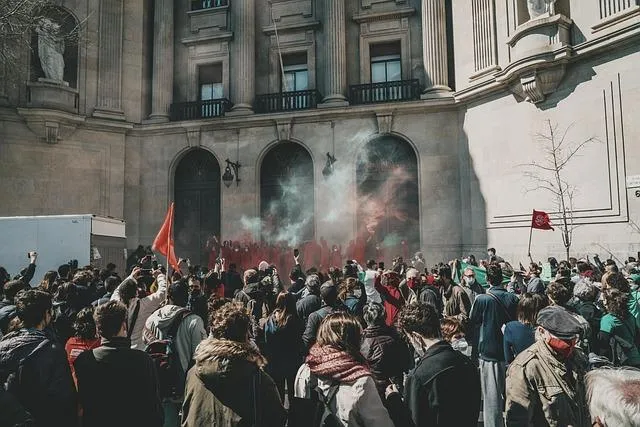
Education demands broaden into a wider protest
The movement began with students in late September 2026, initially focused on deteriorating schools, crowded classrooms and a university admissions system widely viewed as unfair. Trade unions, the Yellow Vest movement and farmers later joined, broadening the demands to include help with food, fuel and housing costs.
Students are seeking 250,000 additional higher-education places and an end to selection through Parcoursup, France's national admissions system. Their demands also include more teachers, repairs to schools and universities, a monthly student-grant increase of 200 euros and a freeze on rents in public student housing.
CBS News reports that strikes have interrupted public transportation and forced schools to close. Authorities say demonstrations have generally been peaceful, although clashes with police, vandalism and arrests have occurred.
Interior Ministry estimates show nationwide attendance declining across three October demonstrations: 550,000 on October 17, 410,000 on October 24 and 320,000 on October 31. The CGT union reported substantially larger crowds on the first two dates, estimating about 800,000 and nearly 800,000, respectively.
Household pressures and retail losses
Energy prices rose 21.3% in September 2026 compared with a year earlier, contributing to an overall inflation rate of 3.1%, according to France's national statistics agency, INSEE. Protesters say energy bills weigh disproportionately on low-income families, minimum wage increases lag behind inflation and urban housing costs keep rising.
Businesses have also reported substantial losses. The French Chamber of Commerce estimated that retailers lost more than 1 billion euros, or about $1.1 billion, during three weeks of unrest. Other estimates were twice as high when uninsured damage and lost revenue were counted.
Relief measures face criticism
The government has announced temporary tax cuts and subsidies, including assistance for essential goods. Critics cited in the CBS News report say the measures are too limited in reach and duration to address the underlying economic problems.
Analysts favor more targeted assistance for low-income households, older people and unemployed people. Proposals include stronger social safety nets, subsidies for energy and transportation, wider access to affordable housing and healthcare, and skills programs to improve employment prospects.
Other proposals include targeted price controls on essential goods, minimum wage standards that better reflect living costs and investment in renewable energy to reduce exposure to volatile global markets. These remain proposals rather than announced government measures.
Experts cited in the report warn that a continued impasse in talks could damage social cohesion and economic stability over the longer term. No immediate resolution to the protests is in sight.
Debt concerns and a rejected budget
The demands for household support come amid scrutiny of France's public finances. Fitch unexpectedly changed its outlook on French debt to negative on October 30, 2026, as public debt neared 120% of economic output and borrowing costs increased.
On the evening of November 4, the National Assembly unanimously voted against adopting the proposed 2027 budget drafted by Prime Minister Sébastien Lecornu's government. The plan targeted 54 billion euros in spending cuts. France's budget deficit stood at 5.1% of GDP in 2025.
The unrest is also unfolding ahead of the 2027 presidential election. Marine Le Pen, leader of the far-right National Rally, leads opinion polls. Far-left leader Jean-Luc Mélenchon marched at the front of the Paris demonstration on October 31.






