
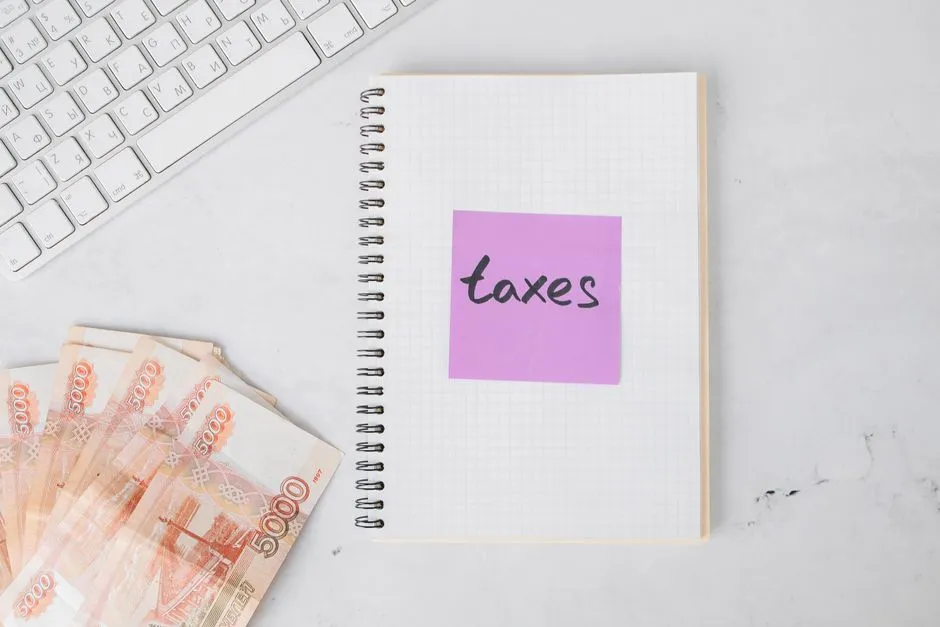
Taxes and the race to succeed Macron
Macron's criticism was directed particularly at left-wing candidates seeking to succeed him. He argued that promises to support industry across France were incompatible with proposals to raise taxes or oppose those who achieve business success.
Since abolishing the solidarity tax on wealth following his 2017 election, Macron has firmly resisted efforts to restore taxation of the ultra-rich. The left has drawn notably on economist Gabriel Zucman's work to support such measures. Macron cannot seek a third consecutive term in the spring.
His remarks also challenged the broader criticism of his record on reindustrialization, growth and employment from most presidential candidates, including his former prime ministers. He rejected portrayals of France as a country headed for collapse and urged continued action rather than resignation.
Zucman's proposal draws a government rebuke
A day earlier, on November 19, Zucman presented the "Manifeste de Paris," supported by about 100 public figures, among them Nobel economics laureates Esther Duflo and Joseph Stiglitz. The manifesto proposes an exceptional levy to settle what it describes as billionaires' unpaid taxes.
The proposed rate is 25% on fortunes exceeding €100 million. The manifesto estimates that the measure would raise about €250 billion in France, roughly 8% of GDP, with payment spread over ten years. It would supplement the proposed 2% minimum tax on wealth above €100 million, known as the "taxe Zucman," which the French Parliament rejected.
Public Accounts Minister David Amiel opposed the new proposal in a November 20 interview with Sud Radio. He described it as an unprecedented fiscal shock, eight times larger than the measures François Mitterrand introduced in 1981, and warned that it would cripple companies such as Mistral and bring down the French economy.
104 products on display at the Élysée
Friday marked Macron's final inauguration of the Grande Exposition du Fabriqué en France. Now in its sixth edition, the event he initiated in January 2020 showcases 104 French-made products, representing each metropolitan and overseas department.
Admission to the Élysée exhibition is free on November 21–22. The event closes the Semaine de l'industrie, which runs November 16–23.
According to the Economy Ministry's Directorate General for Enterprise, industry accounts for 62% of the 104 selected exhibitors, followed by crafts at 24%, food production at 12% and digital businesses at 2%. Micro, small and medium-sized companies make up 65% of the winners, while startups account for 12%.
Investment meetings and faster project approvals
The exhibition begins a series of economic engagements for Macron. On Sunday evening, he is due to dine with about 60 European business leaders in Toulouse before visiting the Airbus site there on Monday.
Also on Monday, at the domestic edition of the Choose France investment event, Macron has promised significant announcements about the time allowed for public debates in the project authorization process.
He will also review his "Notre-Dame method," which seeks to accelerate 150 industrial projects by shortening timelines, drawing on the approach used to rebuild the fire-damaged cathedral. Launched in April 2026, the initiative covers strategic projects in 63 departments that represent €71 billion in cumulative investment and more than 32,000 jobs, according to the Élysée.






