Export access tied to investment in Malaysia
The decision modifies restrictions Malaysia introduced in 2024 to conserve its mineral reserves and build domestic refining capabilities. Conditional shipments began in October 2026 for research or processing, as Malaysia sought industrial partners willing to help establish specialized facilities in the country.
On November 5, 2026, the Investment, Trade and Industry Ministry announced flexibility within the existing moratorium specifically for research and development. Companies receiving export approval must commit to developing Malaysian processing facilities within three years.
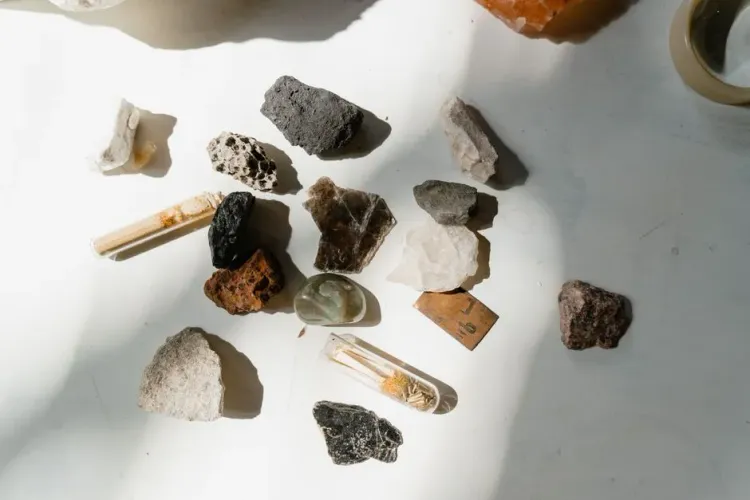
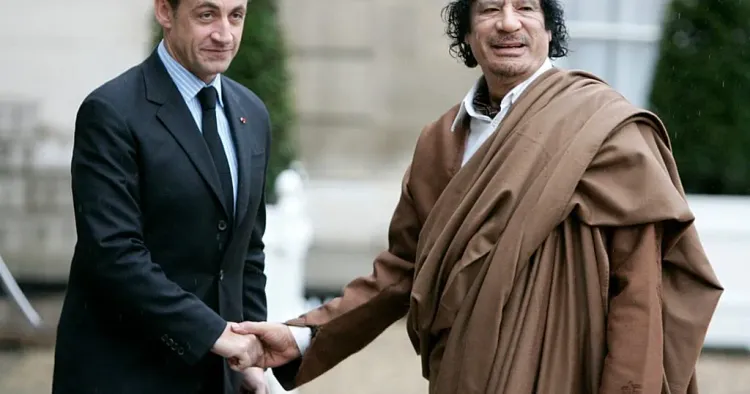
The exception for France allows certain quantities of raw rare earths to be shipped in return for French processing cooperation and industrial expertise. The governments also endorsed a critical minerals memorandum of understanding covering research, technology development and industrial collaboration, with the aim of building a more integrated, higher-value mining industry, Reuters reported.
Perak project combines capacity expansion and technology transfer
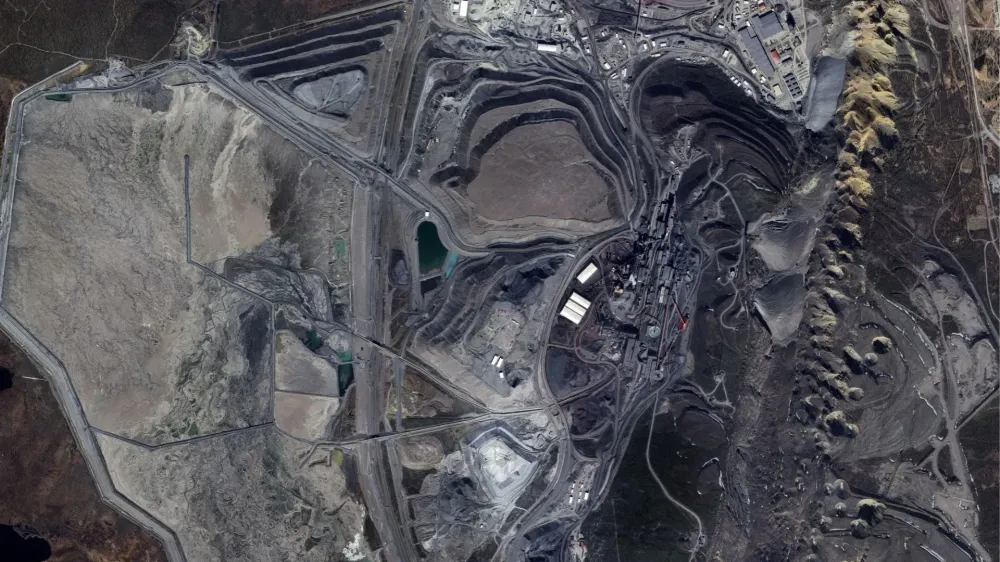
French rare earth specialist Carester and Malaysia's Malaco Mining are developing extraction and processing operations in Perak, in northern Malaysia. Macron said their partnership began during Anwar's 2025 visit to Paris. The companies announced the 10-year joint venture for the separation plant in July 2026.
The proposed plant would initially handle 3,000 metric tons a year before expanding to a planned commercial capacity of 13,000 metric tons annually, according to Macron. He said the partnership was expected to become operational in early 2027. Carester's July 2026 forecast also put the plant's expected opening in 2027.
The project would increase Malaysia's ability to process its own minerals, while the agreement leaves open the possibility of sending some output to France for further refining. Carester says potential products include chemically refined concentrates and oxides of neodymium-praseodymium, dysprosium and terbium. Those oxides are used to make permanent magnets for electric vehicles, wind turbines and other high-technology applications.
Technology transfer is another part of the partnership. In July 2026, Carester President Frederic Carencotte said the company planned to provide methods that reduce environmental impact: in-situ leaching that does not require large ponds, separation that produces no wastewater, and a step to remove radioactive actinium-227 before separation begins.
Carester also intends to deploy the wastewater-free separation method at Caremag, its recycling and refining facility being built in Lacq, France. The €216 million plant is expected to open in late 2026.
France seeks alternatives to Chinese supply
France's cooperation with Malaysia forms part of its effort to reduce reliance on China for rare earths. Figures cited by France 24 put China's share of global extraction at approximately 60% and its share of refining at nearly 90%. Beyond magnets, rare earths have uses in electronics and defense-related equipment.
Malaysia already has the largest rare earth processing plant outside China, Euronews reported on November 17, 2026. That existing capacity has helped attract countries seeking a wider range of suppliers.
Macron said France also intends to pursue geological and mining research projects with Malaysia and send an expert there to support future cooperation.
Agreements extend to chips, power and security
The minerals partnership sits within a broader economic relationship. According to Macron, bilateral trade exceeded €4.9 billion in 2025, and more than 300 French companies operate in Malaysia, making France the country's second-largest European investor.
Other agreements include work by Malaysia's SkyeChip and France's SiPearl on semiconductor chiplet technologies. Telekom Malaysia and Alcatel Submarine Networks will also participate in a submarine cable project intended to improve Malaysia's digital connectivity.
Malaysia is seeking support from the French government and companies for the ASEAN Electricity Grid, which aims to connect Southeast Asian countries' power systems.
On defense and security, Macron announced plans for a regional center addressing hybrid threats, including cyberattacks and disinformation. Airbus also agreed to supply helicopters to the Malaysian air force.