
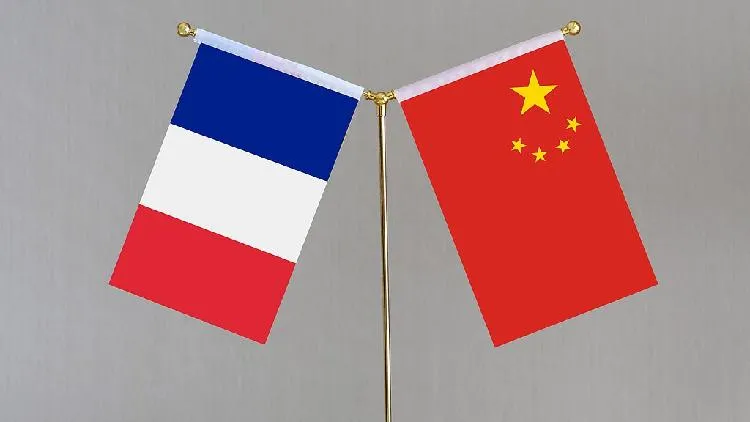
Talks during France's G7 meeting
France requested the Tuesday call, according to China's Foreign Ministry and CCTV. It took place as France hosted the G7 Foreign Ministers' Meeting in Paris on November 9-10 under its 2026 presidency of the group.
Wang, who also sits on the Political Bureau of the Communist Party of China Central Committee, had previously spoken with Barrot on September 14, 2026. France also requested that conversation, which addressed the one-China principle, China-EU trade frictions, the situation in Iran and the Ukraine crisis.
Bilateral commitments and EU trade
Wang urged the two governments to put their leaders' agreements into practice. He said a stable, healthy relationship would benefit both countries as well as the wider international community, and called for dialogue and cooperation to address risks and challenges together.
On Taiwan-related policy, Wang said he hoped France would demonstrate its commitment to the one-China principle through concrete action, preserving the political basis of bilateral ties. Barrot reaffirmed France's commitment to the one-China policy and said Paris had consistently placed great importance on China's standing as a major country.
Turning to trade, Wang described cooperation as beneficial to both China and the EU and confrontation as harmful to both. He urged the two major trading partners to pursue a stable, balanced trade relationship and said he believed France, as a core EU member, would contribute constructively.
Barrot said France was prepared to help advance dialogue and cooperation between the EU and China. He also expressed France's wish to sustain high-level contacts with Beijing and build greater strategic trust.
UN coordination and the secretary-general selection
Wang pointed to the countries' roles as founding UN members and permanent members of the Security Council. He said closer consultation on international developments would help protect the UN-centered international system. Beijing was ready to work with Paris to carry out the special responsibilities attached to their permanent seats and defend interests shared by the international community, he added.
Barrot called for closer communication and coordination on major issues, including UN affairs and artificial intelligence. He said France sought to work with China in support of multilateralism, global security and stability, and shared development and prosperity.
The ministers also discussed the selection of the next UN secretary-general, among other matters of mutual concern.
According to the UN General Assembly's selection-process information, the Security Council was considering candidates at the time of the call and had conducted private, informal straw polls since July 30, 2026. Six candidates remained after three nominations were withdrawn.
António Guterres's term ends on December 31, 2026, with his successor due to take office on January 1, 2027. No date had been announced for either the Security Council's recommendation or the General Assembly's appointment.






