British couple finds affordable quality of life in French border town near Basel
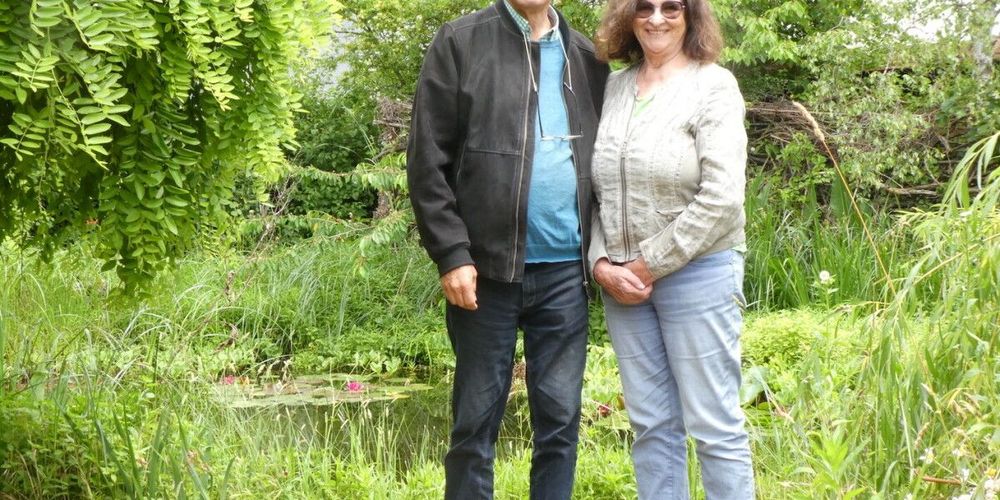
When Tom Smith from Halifax, Yorkshire, and Julie Telford from Edinburgh first arrived in Basel, Switzerland in 1991 after four years in Papua New Guinea, they anticipated building their lives in the Swiss city. Tom had accepted a position as a statistician at the Swiss Tropical Institute, following his work as a researcher in tropical disease epidemiology, while Julie worked in a multilingual children's library.
Twenty years ago, however, the couple made a strategic decision that would dramatically improve their living situation. By moving just four kilometres across the border to Saint-Louis in France's Haut-Rhin department, they could make their money stretch considerably further.
"We moved one kilometre along the road and into France," Tom explains. "Our lives were still in Switzerland, but moving across the border allowed us to afford a house with a sizeable garden."
The financial advantage was significant. The cost of living in Switzerland runs approximately 46 to 63 percent higher than in France, with housing costs particularly steep compared to neighbouring countries. This disparity has made cross-border living increasingly popular in the Basel region, where 34,300 vehicles cross daily between France and Switzerland, drawn by Basel's status as a major employment hub with over 150,000 jobs.
Saint-Louis, the third-largest city in the Haut-Rhin department with a population of approximately 22,805, offered the couple an appealing combination of affordability and proximity to Swiss amenities. The town sits within the Basel trinational eurodistrict, which encompasses 250 communes across France, Germany and Switzerland, housing 900,000 inhabitants.
Climate and lifestyle advantages
Beyond economic considerations, the couple found the climate and lifestyle far superior to their native Britain. "We appreciate the climate here, with much more sun and warmth than miserable Yorkshire and Scotland," Tom notes. "We spend time in our large garden, which is an attempt to emulate Giverny, and at the local pâtisseries, and in summer we swim in our local outdoor pools nearly every day."
The region's natural attractions also drew them in. The Upper Rhine Valley provides access to the Jura Mountains, Vosges, Black Forest and Alps, all within easy reach. The picturesque Alsace wine villages add to the area's charm.
The international character of their location remains a key attraction. "We love the international aspect of this location; we can still enjoy all the joys of French living," Tom says. "Germany, which is generally less expensive, is a short drive away." Many residents near the Swiss border take advantage of lower food prices in neighbouring countries to reduce their grocery bills.
Infrastructure improvements have enhanced cross-border connectivity. In December 2017, Basel's tram Line 3 was extended into France at a cost of CHF 87 million, connecting Saint-Louis directly to Basel's city centre. "The Swiss have kindly built a tram line that crosses the border into France less than 200m from our house and takes us directly to the centre of Basel's amazing cultural offerings," Tom explains. The development included a park-and-ride facility, and Saint-Louis station now handles over 1.6 million passengers annually, reflecting robust cross-border traffic.
For cross-border workers, recent regulatory changes have made the arrangement even more attractive. Since January 2026, those living in France while employed in Switzerland can telework from home up to 40 percent of their working time without triggering French taxation on those days, under a new bilateral tax treaty amendment.
Challenges of cross-border life
The transition has not been without obstacles. Learning French proved more difficult than anticipated. "Fluency is hard to achieve when you are surrounded by people speaking other languages," Tom acknowledges. He volunteers at a nature reserve where conversations shift seamlessly between French, Alsatian dialect and German. "Many of our neighbours are Italian," he adds, highlighting the linguistic diversity of the area.
The couple also discovered unexpected complications with property choices. Initially attracted to traditional Alsatian half-timbered houses, they soon understood why few British people had renovated them. These historic structures require specialized expertise for renovation, with particular challenges in preventing moisture infiltration into wooden structural elements and finding appropriate insulation materials that won't damage the timber framework. "We first considered buying one, wondering why there were no British people moving here to live in them, until we realised that it is almost impossible to get tradespeople to work on renovations because the area is booming and there is much more money to be made from new construction," Tom explains.
Integration into the local community presented its own challenges. "It can be challenging in a medium-sized town," Tom admits. However, both have built social connections through volunteering—Tom at the nature reserve and Julie at a Basel library. Living near their daughter and grandchildren in Basel has proven invaluable.
Quality of life comparison
After many years in the region, the couple perceives a widening gap in quality of life between France and the UK. "Having lived here for many years, we feel the quality of life is better here, not just for ourselves but for the people around us, too," Tom reflects. "Each time we return to the UK, we feel that the difference has become greater, with more people in Britain struggling, becoming depressed or becoming cynical. Perhaps we are in a bubble of prosperity here in southern Alsace."
For British people considering a similar move, Tom offers straightforward advice: act sooner rather than later. "The sooner you move here, the better. As we grow older, we increasingly appreciate the importance of having family close by; we wouldn't recommend retiring here after a full working life in the UK, leaving family behind."
The couple's experience demonstrates how strategic cross-border living can provide financial advantages while maintaining access to employment opportunities and cultural amenities. Their location in Saint-Louis, home to the Basel-Mulhouse-Freiburg EuroAirport despite the facility primarily serving Basel and Mulhouse, exemplifies the international character of the tri-border region. For those willing to navigate the linguistic and administrative complexities, the arrangement offers a compelling alternative to living entirely within Switzerland's expensive property market.