Landscape transformation and early recovery signs
Nearly a year after one of the most catastrophic wildfires in modern French history tore through the Corbières region, signs of ecological recovery are emerging from the charred landscape. The Ribaute fire, which ignited on August 5, 2025, in the Corbières Massif southwest of Narbonne, became the second-largest wildfire in France since the devastating 1949 Landes forest fire and the worst blaze on the French Mediterranean coast in over half a century.
The fire, which affected sixteen municipalities across the Aude department, was fuelled by three years of severe drought, extreme temperatures reaching 35°C, and fierce winds gusting up to 60 km/h. Météo-France had placed the department on red alert that morning due to the exceptionally high fire risk. More than 2,100 firefighters and 500 vehicles were deployed to combat the flames, supported by an aerial fleet including four Canadair planes, three Dash aircraft, one Beechcraft, two water bombers, and two water-dropping helicopters. The fire was not declared fully extinguished until August 28.
The Ribaute fire was part of France's worst wildfire season since 1949, with over 160,000 hectares burned across the country by August 2025. Across Europe, more than 227,000 hectares had burned by early August according to the European Forest Fire Information System, more than double the long-term average.
Initial damage assessments estimated the affected area at 17,000 hectares, though subsequent surveys have refined this figure. The Federation Aude Claire association has been conducting comprehensive ecological surveys of the damaged terrain since early 2026, examining botanical, entomological and ornithological recovery patterns. These studies benefit from pre-fire baseline data collected in previous years.
Travelling through the affected zone in April, visitors encountered a stark landscape of blackened stone pine and Aleppo pine trees standing amid bare brown earth. The dense understory of juniper and holly oak had been completely burnt away, leaving only occasional fire-scarred stone farm buildings as markers of human habitation.
Benjamin Gilbert, a qualified botanist from the Federation, led a field survey in early May to document the recovery process. The study focuses specifically on botanical observations, forming part of broader scientific efforts to understand ecosystem resilience and inform future land management strategies in an era of increasing climate-related fire risk.
Mediterranean ecosystems have evolved natural resilience to wildfires, with many species possessing adaptation mechanisms that enable them to tolerate extreme conditions and regenerate after fire events. However, scientists note that changing climate conditions and increasing fire frequency may challenge this inherent resilience.
Wildlife returns to fire-scarred terrain
The survey team's first wildlife sighting proved immediately encouraging. A large short-toed snake eagle, a migratory raptor that breeds in southern Europe and winters in sub-Saharan Africa, hunted overhead during the field visit. This species feeds primarily on snakes and other reptiles, and its presence confirmed that prey populations had survived underground during the inferno and that the food chains supporting these reptiles remained intact.
A kestrel was also observed hunting small rodents and insects, while singing nightingales, western subalpine warblers and western orphean warblers indicated established breeding territories. Overhead, swifts, swallows and bee-eaters passed by, likely on migration routes.
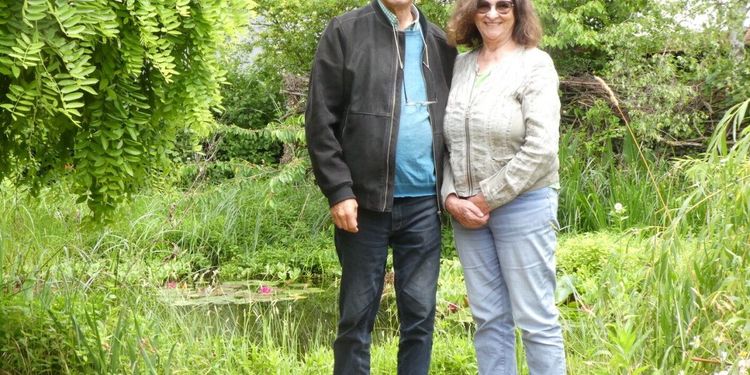
A local resident participating in the survey, who has studied regional habitats for approximately 50 years and is working on doctoral research analysing human and animal influences in the Corbières, shared compelling evidence of rapid wildlife recovery. Trail cameras in his village garden, where residents were forced to evacuate during the fire, captured images of animals returning as early as September 2025. Rodents, badgers, pine martens and wild boar reappeared quickly, possibly having sheltered in the protected vineyards and being drawn to village oases that firefighters had defended.
Fresh rabbit droppings were evident during the survey, and a roe deer was observed trotting down a hillside at midday, presumably heading to drink from a stream. The suspension of hunting in the area over the winter season may have contributed to increased wildlife confidence and visibility.
Botanical regeneration and land management experiments
The wet and cool spring of 2026 has accelerated vegetation recovery. Holly oak, widespread across the Aude moorlands, is resprouting vigorously from root systems, creating dense skirts of new growth around old stems. While this resilient shrub typically grows to about one and a half metres in height, its prickly, dense habit can eventually dominate habitats and suppress other plant species, potentially reducing botanical diversity.
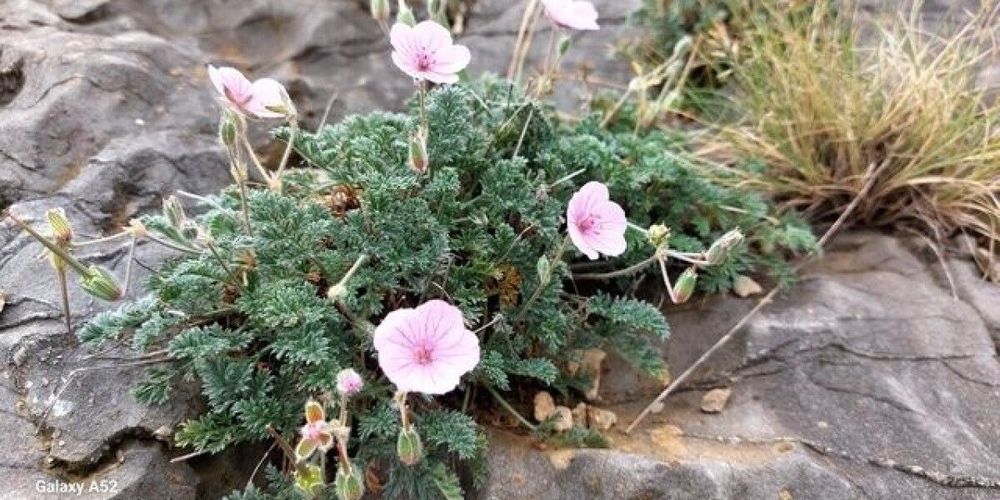
Gilbert documented a diverse array of plants and flowers already re-establishing across the burned terrain. The temporary shift to an open habitat following the fire may favour annual plant species while conditions remain unshaded.
The department is implementing several experimental land management strategies to evaluate optimal approaches for post-fire recovery. One area has been completely sown with lucerne seed to provide grazing for a sheep flock that inhabited the region before the fire and is scheduled to return by late May. This grazing regime aims to maintain more open landscape conditions and prevent excessive woody plant encroachment.
Other experimental approaches include chipping burnt vegetation into thick mulch layers to assess which plant communities benefit from this treatment. Authorities are also creating stream dams from felled burnt tree trunks to reduce water run-off and soil erosion.
Scientific insights and human impacts
From an ecological standpoint, the survey findings are reassuring. The ecosystem is demonstrating the natural resilience characteristic of Mediterranean landscapes adapted to periodic fire events. The research contributes essential baseline data for future fire management decisions.
Investigators believe the fire was likely of human origin and potentially started intentionally, though this remains under investigation by the gendarmerie.
While the ecological recovery shows promise, the botanical study does not address the severe agricultural losses, destroyed homes, disrupted livelihoods, and psychological trauma experienced by the region's human inhabitants. Comprehensive decisions about managing such catastrophic events in the future will require integrating ecological data with social, economic and agricultural considerations as climate change increases the frequency and intensity of Mediterranean wildfires.
The vineyards in the valley, which served as effective firebreaks, escaped the flames but could not be harvested in 2025 due to contamination from fire-retardant chemicals and soot. These agricultural impacts underscore the complex and far-reaching consequences of major wildfires beyond immediate ecological damage.