France increases fine for swimming in unauthorised zones
France has nearly doubled fines for swimming in unauthorised waterways, raising penalties from €38 to €68 under decree n° 2026-723 published on August 2 and effective from August 3. The measure comes as authorities confront a severe drowning crisis, with 274 people already dead from drowning this summer and more than 5,700 excess deaths recorded during June's catastrophic heatwave.
The new penalties apply to all swimming and water activities in areas where bathing is prohibited, whether temporarily or permanently, including rivers, lakes and coastal zones. Authorities can issue immediate electronic fines, and offenders face a maximum penalty of €450 if cases reach police court under the third-class contravention classification.
Heatwave drives swimming deaths to record levels
The fine increase follows France's deadliest heat event since 2003, when June's heatwave killed approximately 5,700 more people than expected. Between June 17 and July 2, the country recorded 21,674 deaths against a projected 15,910, marking a 36% surge, according to Public Health France.
The Paris and Île-de-France prefects cited
the rise in unauthorised swimming, particularly during heatwavesas the primary driver for tougher enforcement. Since summer began, 925 drowning cases have been recorded nationwide, with deaths concentrated in rivers and lakes where strong undercurrents pose lethal risks even to experienced swimmers.
Data shows rivers and inland waters account for approximately half of all drowning fatalities. In summer 2025, 33 children and adolescents drowned in rivers or lakes, representing 58% of deaths in that age group, compared to 20 such deaths in 2024.
Regional tragedies prompt emergency bans
In Seine-et-Marne department, five people drowned between June 19 and 23, including three minors, prompting the prefect to issue an emergency decree on June 23 banning swimming in the Seine, Marne, Loing and Yonne rivers, as well as all lakes and ponds in the department.
The national toll has already exceeded grim precedents. Last summer, 409 people died from drowning in France, a 16% increase over 2024 that included 57 children and teenagers. The 2024 summer period saw 1,244 drowning incidents with 350 deaths, with cases jumping 41% during the peak July 16 to August 15 period compared to 2023.
Drowning represents the leading cause of accidental death among people under 25 in France, claiming approximately 1,000 lives annually, with half occurring during summer months, according to Santé publique France.
Climate change extends swimming season and risk period
Recognising shifting weather patterns, Santé publique France moved its drowning surveillance period forward to May 1 this year, from the traditional June 1 start, in response to climate change and the lengthening swimming season. The adjustment followed a pattern of earlier heatwaves that push people toward water before traditional summer months.
During the June 19 to July 8, 2025 heatwave, France recorded 355 drowning incidents and 106 deaths, representing increases of 135% and 172% respectively compared to the same 2024 period. Officials directly linked the spike to orange and red heat alerts that drove increased visits to swimming areas.
The current enforcement gap partly stems from limited lifeguard deployment. State lifeguards are typically stationed only during July and August, with most tourist locations covered from mid-June to mid-September. Following last year's death toll, unions proposed deploying lifeguards as early as April when conditions become favourable for swimming.
Where swimming is permitted
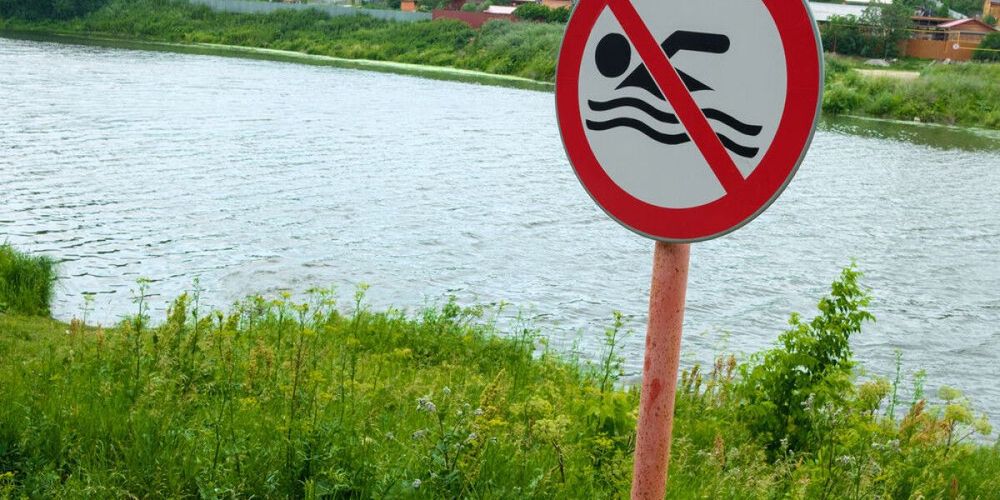
People wishing to swim should ensure they do so only at authorised locations, typically areas with lifeguards or known calm water. Warning signs sometimes indicate swimming bans, though not always.
An unofficial map using public government data shows where swimming is permitted across France, with filters for pet-friendly areas and wheelchair-accessible sites. The government lists this resource as accurate for checking local swimming regulations.
The 2003 heatwave, which killed approximately 15,000 people, led France to implement an early warning system with public announcements advising people to stay cool, drink water and avoid alcohol. Experts credit these measures with reducing heat-related mortality in subsequent years, though this summer's death toll marks the highest heat-related excess mortality since those reforms took effect.