Dordogne resident explains why older cattle age makes French beef tougher
A reader living in the Dordogne has revealed why they stopped purchasing French beef after examining mandatory traceability certificates at their local supermarket's butchery counter.
The resident, identified only as R.N., discovered that cattle were frequently slaughtered at around 11 to 13 years of age, far older than the animals are typically raised for beef production in many other countries.
This observation, combined with relatively short maturation periods after slaughter, explains the toughness many consumers report experiencing with French beef, the reader argued.
Understanding French beef production
The French beef market operates differently from those in the UK and United States. While young bulls in France are typically slaughtered at around 16 months and most beef cattle at 18-24 months, a substantial portion of French beef comes from older animals.
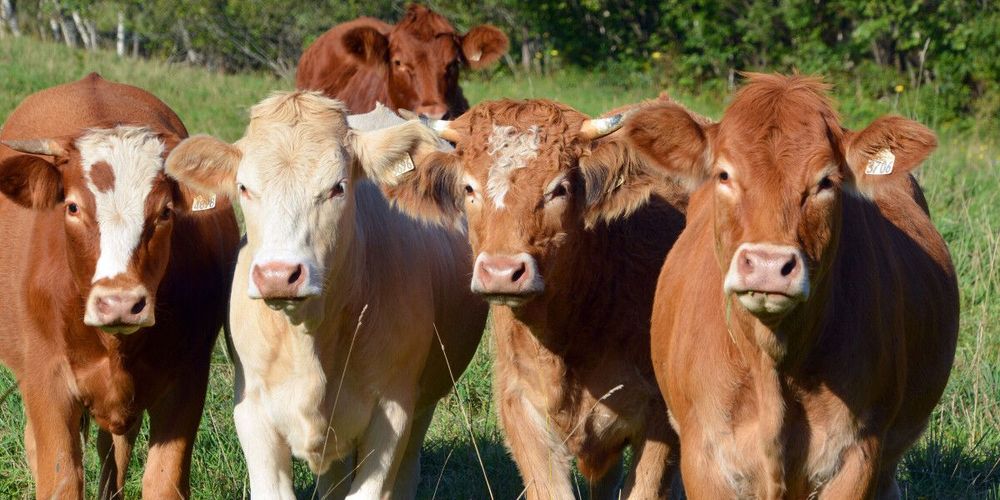
Approximately 44% of cattle slaughtered in France are cows, compared to just 26% young bulls. Around 75% of French beef consumption comes from culled cows, which are often slaughtered at considerably older ages than cattle raised specifically for beef.
Culled dairy and beef cows in France typically enter the market in age ranges of under six years, six to nine years, or over nine years. Some premium French beef labels even allow cattle to be slaughtered between 30 and 96 months old, meaning animals up to eight years of age can legally enter high-end markets.
Why age affects tenderness
Scientific research demonstrates that meat from older cattle tends to be tougher due to larger muscle fibers, higher collagen content, and lower collagen solubility. Studies show that tenderness qualities increase until around 19 months of age, then begin to decline.
The maturation period after slaughter also plays a role in meat tenderness. In France, standard maturation generally lasts at least 15 days, though premium establishments may age beef for 30 to 90 days. This is often shorter than aging periods in some other countries.
Additionally, French cattle are primarily grass-fed, with approximately 87% of internally consumed French beef coming from grass-finished animals. This results in leaner meat with less marbling compared to grain-fed beef common in the United States, which can also affect perceived tenderness.
Traceability requirements validate observations
EU regulations mandate that all beef sold in France must carry traceability information, including the country where the animal was born, raised, and slaughtered, along with dates of birth and slaughter. These certificates, which the reader examined while waiting at the butchery counter, provide consumers with detailed information about the meat they purchase.
For comparison, beef cattle in the UK are typically slaughtered at 20-24 months, while in the US, grain-fed cattle are processed at 15-18 months and grass-fed cattle at around 28-30 months.
The reader's experience has been corroborated by local beef farmers in the Dordogne, none of whom have disagreed with the assessment regarding slaughter ages and their impact on meat quality.