A renowned chef's home cooking philosophy
A renowned French chef, no stranger to a Michelin star or two, once confided that when he cooks at home on rare nights off, he never prepares the elaborate dishes his restaurant kitchen serves daily to discerning diners.
"You cannot go to the opera every day," he explained. Instead, at home he favours life's simplest pleasures: generous slabs of top-quality salted butter from Brittany spread on fresh baguette, a quick soupe au pistou, or even a tin of the finest cassoulet available. The chef harboured no snobbery towards ready-made meals, provided they were excellent quality.
This philosophy came to mind during a recent spell of intense heat, when the prospect of firing up a hob or oven to cook something hot seemed unbearable. Far more sensible, it seemed, to simply open a tin of something exceptional and enjoy it cold, without any fuss.
Reaching into the store cupboard, I selected a tin of sardines. As with all French preserves—from jams to anchovies, pâtés to petits pois—quality corresponds directly to price. A modest increase in budget yields dramatically better flavour.
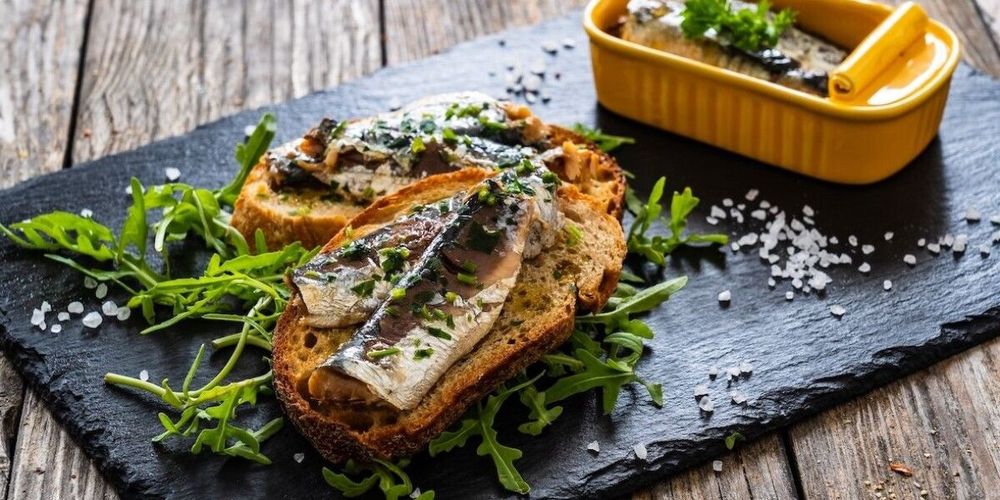
This particular small boîte de sardines contained just five or six glistening silver fillets, arranged with precision in their metal container. They resembled tiny jewels.
A nutritional powerhouse in a tin
I carefully lifted each fillet and placed them on buttered sourdough toast from my local artisan baker, pressed them gently, then added a squeeze of lemon and a drizzle of olive oil. As evening meals go, it was neither substantial nor extravagant, yet utterly delicious.
What makes sardines particularly worthwhile is their exceptional nutritional profile. A 100-gram tin delivers approximately 1,500 milligrams of omega-3 fatty acids—essential fats that support cardiovascular and brain health. These small fish also pack around 24 grams of complete protein, along with substantial amounts of calcium (382 mg per 100g) and vitamin B-12 (8.94 mcg per 100g when canned in oil), nearly four times an adult's recommended daily intake.
Unlike larger predatory fish such as tuna or swordfish, sardines contain very low mercury levels, making them a safer choice for regular consumption.
France's thriving tinned fish market
The conserves de poissons market in France represents significant business—recent figures show canned fish sales reached €1.38 billion between February 2024 and February 2025. Consumption is highest in western France, where production is centred, and the Paris region. These two areas account for nearly 49% of total sales.
This robust market forms part of a broader European trend. The continent's canned seafood market was valued at approximately €10.55 billion in 2025, with fish products representing about 78% of that segment. In France specifically, the market is expected to grow at 2.8% annually through 2030, with major brands including Saupiquet and Petit Navire dominating retail shelves.
Visit any hypermarché and the range of sardines, mackerel and tuna on offer proves mind-boggling. When selecting, look for the blue MSC (Marine Stewardship Council) ecolabel—the globally recognised certification for wild-caught seafood from sustainable fisheries. Established in 1997, the MSC programme assesses fisheries against three core principles: sustainable fish stocks, minimal environmental impact, and effective management, scoring operations on 28 performance indicators.
Choosing quality tinned fish is rather like selecting fine wine. Purchase the best you can afford, and the experience approaches attending the opera.
Brittany's butter tradition
The chef's mention of Brittany's salted butter carries historical significance. The region's tradition dates to the 14th century, when Brittany was exempted from the gabelle salt tax introduced by King Philip VI in 1343. While the tax forced peasants elsewhere in France to abandon salted butter due to prohibitive costs, Bretons continued adding salt for preservation. This exemption—later formalised when Anne of Brittany negotiated the province's union with France in 1532—explains why salted butter remains the region's signature product today.