New US customs rules create costly postal disruptions for shipments from France
Greg Marshall, an 80-year-old former marine living in Bourgogne, has spent more than €200 and made three unsuccessful attempts to send a 2.6 kilogram package of historic medallions to friends in the United States. Each time, the parcel bounced back to France, with birthday gifts for his daughter and grandchild still waiting months later.
His frustration reflects a broader disruption affecting Americans across France following sweeping changes to US customs policy. On August 29, 2025, the United States eliminated its de minimis threshold through an executive order signed by President Trump on July 30, 2025. The policy ended a longstanding rule that allowed shipments valued under $800 to enter the country duty-free with minimal customs processing.
Massive scale drives policy shift
The change came as de minimis shipments surged from 636 million parcels in fiscal year 2020 to 1.36 billion in fiscal year 2024, averaging 3.7 million packages daily with an estimated total value of $64.6 billion, according to US Customs and Border Protection data.
The $800 threshold, raised from $200 in 2016 under the Trade Facilitation and Trade Enforcement Act, had been one of the world's highest. Most developed countries maintain thresholds between €22 and $150, while the European Union sets its limit at €150.
European postal services scramble to adapt
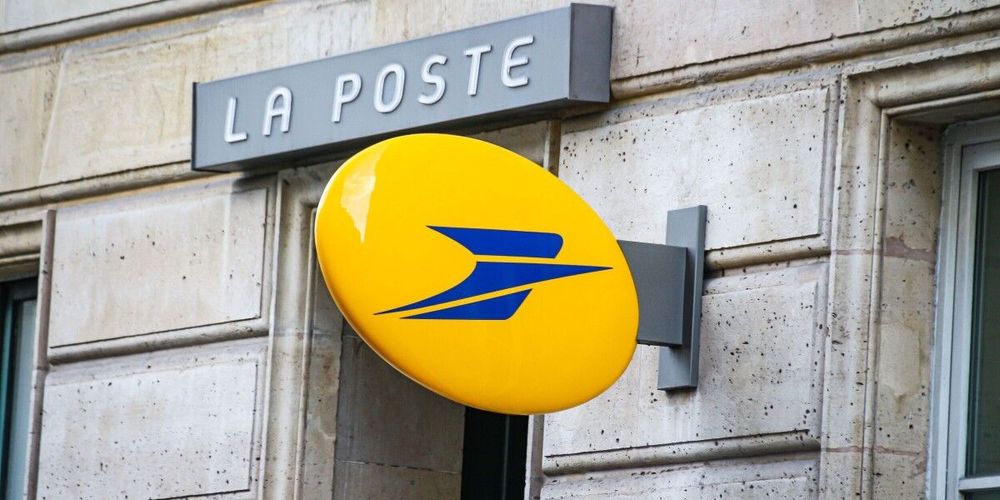
La Poste initially suspended Colissimo parcel services to the United States on August 25, 2025, citing incomplete technical specifications and an extremely short timeframe to prepare for the new requirements. The service resumed in February 2026 with significant new restrictions.
France was not alone in halting services. Postal operators in Germany, Denmark, Sweden, Italy, Austria and the United Kingdom all suspended US-bound shipments in late August 2025, citing lack of clarity over new import duties and insufficient preparation time. The Universal Postal Union reported that postal traffic to the United States plunged more than 80 percent, with 88 postal operators worldwide fully or partially suspending services as of September 2025.
New rules shift costs to senders
Under the regulations implemented since August 2025, customs duties became the responsibility of the sender rather than the recipient when posting items to the US, a reversal of the standard system applied elsewhere in the world. Colissimo shipments are now capped at €650 in value and require labels purchased exclusively online through laposte.fr, with customs duties paid upfront starting at €35.19.
Marshall first sent his Colissimo package in June with what he believed were correctly filled customs declarations, addressing it to a friend in Hawaii. When the package never arrived and was returned to France, he tried again in late June with the same result. A third attempt to send it to North Carolina also failed, with the parcel eventually arriving at a different postal office in Arc-Sur-Tille, requiring an hour-long round trip to collect.
This stuff has been going on for me for three months. For other people or for the system, maybe much longer, but it's au courant right now.
Complex gift restrictions
US authorities have implemented specific rules for packages marked as gifts, according to France's Service Public. They will only accept gift packages containing homemade items, and the words 'cadeau' and 'CN23' must be marked on the package. Items with monetary value such as DVDs or books cannot be declared as gifts.
La Poste's website indicates that packages marked as gifts valued under €80 may be returned if customs documents suggest either the sender or recipient was a professional. Administrative documents like tax returns and birth certificates are now considered "goods" by US authorities and should be sent via Chronopost.
A La Poste spokesperson explained that packages can be returned for several reasons, including customs compliance issues, inaccurate or incomplete declarations, insufficiently precise content descriptions, inconsistencies between declared information and shipped goods, or difficulties related to the recipient's address. US authorities have sole jurisdiction to accept or refuse shipments.
Navigating the new system
La Poste advises preparing shipments through dedicated channels on laposte.fr or at post offices, correctly filling out customs declarations, precisely describing contents, declaring actual values, including all required documents and verifying recipient contact information.
Some Americans report that local La Poste offices have refused outright to send letters and packages to the US, suggesting confusion in various branches about handling US-bound shipments. Those encountering difficulties might direct employees to the Service Public website for current guidance.
Marshall is now considering alternative carriers such as FedEx or UPS, but believes France's postal service leadership should better communicate the reasons for returned US shipments and how to address the issue.
They should be informing every La Poste in the country, because it is going to continue happening to other unfortunate Americans.
The disruptions stem partly from the international postal payment system. Terminal dues, the fees countries pay each other for international delivery of letters and small packages weighing up to 4.4 pounds, are negotiated among 192 countries at the Universal Postal Union every four years. The US Postal Service has historically lost money on inbound international mail, including $75 million in 2014, as terminal dues rates from other countries did not cover actual delivery costs.