Twelve bottles beneath the tiles
Hélène and Michel de Grave were converting an old storeroom into a kitchen at their property in Le Fœil when the bottles emerged on November 12, 2026. Beneath the floor tiles lay loose earth; digging about 50 centimeters into it exposed the glass.
The find comprised seven empty bottles, four with wine remaining and the single full, sealed bottle. In its November 19 report, French wine-industry outlet Le Figaro Vin identified the wine as red.
Plérin-based auctioneer Karl Benz examined the glass and recognized traditional hand-blown construction. Features of the bottles, including their bases, point to the late 17th or early 18th century. The estimated age of 300 to 400 years has not been established through scientific dating.
Nor has any scientific analysis of the wine been confirmed. Its original variety, present condition and suitability for drinking remain unknown.
Why the owners suspect a Knights of Malta connection
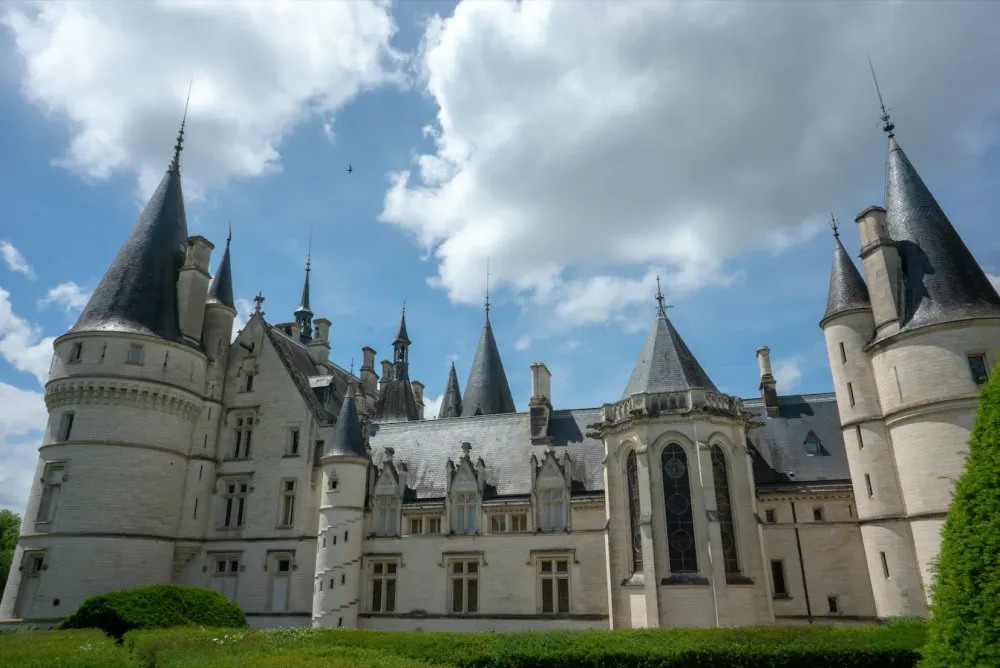
The bottles' estimated age raises the possibility of a connection to the Knights of Malta. The Côtes-d'Armor tourism authority dates the château's establishment as a commandery to 1605. Such properties administered land and resources for the Catholic religious and military order.
Le Figaro Vin describes the château as having 600 years of history: it was a seigneurie between 1300 and 1500, then a Knights of Malta commandery for about 200 years. Admiral de Cuverville subsequently made it his home. The current owners bought the property from his descendants about a year ago, the outlet reported.
Hélène Turmel de Grave told Ouest-France on November 15 that the 16th-century part of the building where the bottles were found had undergone no work since the property entered the de Cuverville family in 1802. That is why she considers burial during the Knights' occupation the most likely explanation.
The location suggests deliberate concealment, but neither the people responsible nor their purpose has been established. Safekeeping or preservation of the wine are possibilities, not confirmed explanations.
Other finds at the château
The renovation has yielded more than bottles. Speaking to Le Figaro Vin, Hélène Turmel de Grave also reported finding parchments in Old French and Latin, along with fossilized megalodon teeth.
The couple operates guest rooms at the château and opens it for guided tours, seminars and weddings, according to the outlet.
Auction planned, but no date or estimate
The owners intend to preserve and display 11 bottles at the property. Benz will organize the sale of the full bottle.
Hélène Turmel de Grave told Le Figaro Vin that the auction was planned for the coming months, adding that the couple did not yet have optimal conditions for conserving the bottles. No auction date or estimate has been announced. Its potential value remains undetermined and will depend on assessments of its age, provenance and contents.