Pay and public services at the center of demands
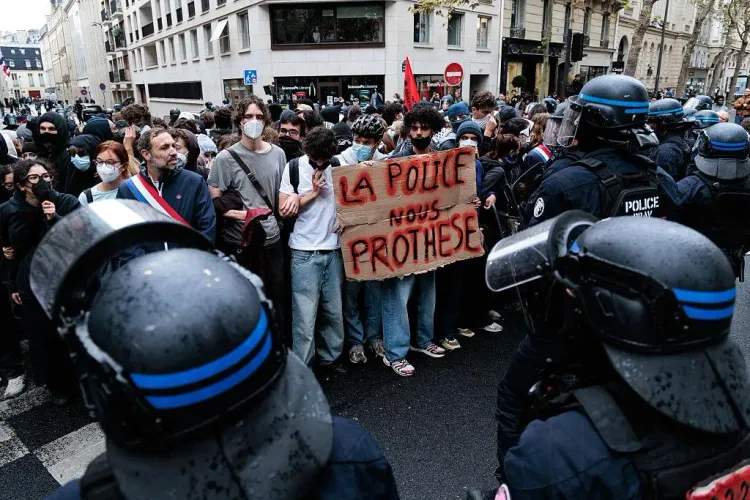
L'intersyndicale, which brings together all of France's main trade unions, organized the walkout. Many services are expected to close for the day as workers across education, health care, public transportation and other sectors take part.
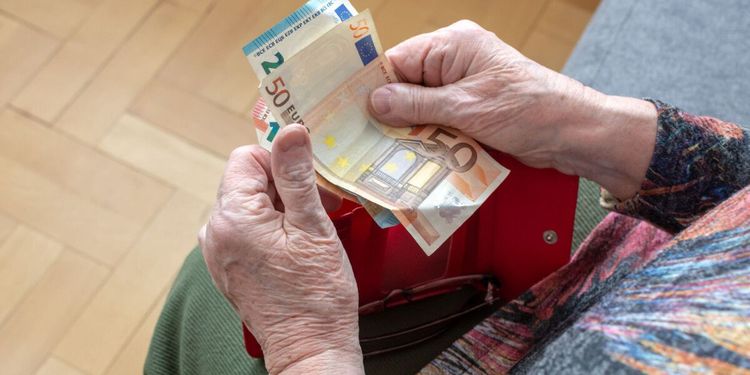
The unions want broad-based pay increases, including a rise in the minimum wage, which has received no discretionary boost since 2012. Their demands also cover tax reform, the protection of public services and a more equitable distribution of wealth.
The action follows a protest movement that started with students at Lycée Saint-Exupéry in Créteil, southeast of Paris, on September 17. Their complaints about teacher shortages and deteriorating school buildings grew into a nationwide wave of demonstrations.
Rail cuts, school disruption and travel advice
SNCF anticipated canceling about one in 10 high-speed TGV trains on November 5. Regional TER services and trains in Île-de-France, the greater Paris region, faced more extensive disruption.
On the RER B line, service was expected to run at two-thirds of its normal level south of Gare du Nord and at half its normal level to the north, including the connection to Charles de Gaulle airport.
The education ministry said on November 4 that 17% of teachers had submitted notice that they intended to strike. Participation was expected to vary by region.
The US Embassy in France warned Americans that demonstrations could affect rail, metro, road and air travel. Schools, hospitals, banks and government offices in Paris and elsewhere in the country could close or reduce services. The embassy advised US citizens to stay away from demonstrations and large gatherings, choose alternative routes and leave extra time for travel.
Security preparations and the Paris march
More than 250 protest events were planned nationwide. Interior Minister Laurent Nuñez announced on November 4 that France would deploy 70,000 police officers and other security personnel, warning of a firm response to violence or disorder and arrests where necessary.
Nuñez said authorities and unions had settled march routes in almost every city expecting protests, although some disputes remained. In Paris, the prefecture rejected a proposed route from Place de la Bastille to Place de la Concorde through the city center. The authorized alternative heads east, away from the center.
The main Paris march was scheduled for 2 p.m. to 7 p.m., passing along Boulevard Voltaire, with about 25 metro stations closed along its route.
Police were also conducting searches at train stations to seize dangerous items. "No equipment intended for committing acts of violence should reach the gathering places," police wrote on X.
Weeks of demonstrations before the walkout
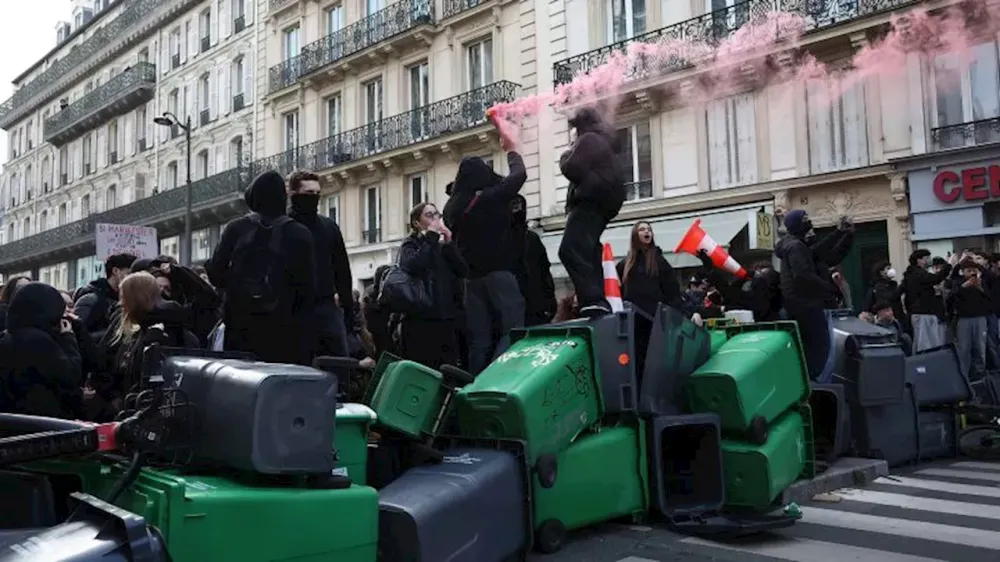
The nationwide cost-of-living protests on October 17 brought France's worst rioting in years. The Interior Ministry put attendance at 550,000 nationwide, including 110,000 in Paris. Organizers, among them the CGT and Union étudiante, claimed 800,000 participants. Ministry figures recorded 2,628 arrests and injuries to 1,144 members of the security forces that day.
Attendance at the Saturday cost-of-living demonstrations subsequently fell. Interior Ministry counts dropped from 550,000 on October 17 to 410,000 on October 24 and 320,000 on October 31.
Youth-led demonstrations have also taken place in Denmark, Germany and Italy in recent weeks.
Weak growth and pressure on public finances
The strike comes as France's economy trails the growth of other EU members and its debt attracts closer attention from credit rating agencies. A 0.1% contraction in the third quarter has left the country close to recession. Consumer demand remains weak, manufacturing investment is declining, and a hot, dry summer damaged the farming sector.
Bank of France Governor Emmanuel Moulin said this week that the bank would probably need to revise down its forecast of 0.4% growth for 2026. With sovereign debt at $4 trillion, France is offering higher bond yields to draw buyers, increasing the interest it will owe in future years.
Fitch Ratings downgraded France at the end of October. The agency said the decision "reflects a deterioration since our August 2026 review comprising weaker growth, higher borrowing costs and a wider deficit."
Successive governments have made few moves to curb welfare spending beyond the 2023 effort to increase the retirement age. The National Assembly has since put on hold, until the 2027 presidential election, the reform that would raise the retirement age for most workers from 62 to 64.
Further action is already planned beyond Thursday. The Gilets Jaunes, or Yellow Vests, coordination group said it would join the November 5 strike and has called an "Act IV" of demonstrations, with more strikes, protests and blockades scheduled for November 6 and 7.