Strike draws workers from several sectors
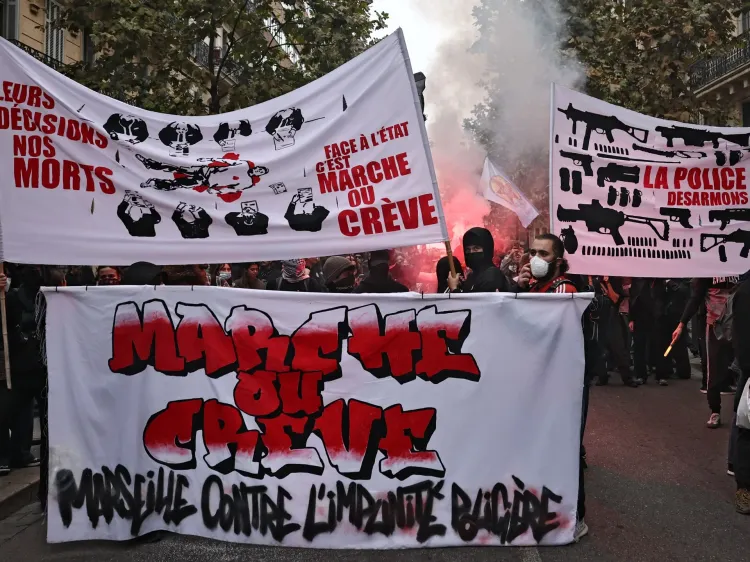
Estimates of the crowds differed sharply: the Interior Ministry counted 575,000 demonstrators across France, with 65,000 in Paris, while the CGT trade union federation estimated nationwide participation at 1.6 million.
Unions representing public- and private-school teachers, rail workers, hospital staff and postal employees called the one-day strike. Some energy workers also walked out, according to AFP and Al Jazeera.
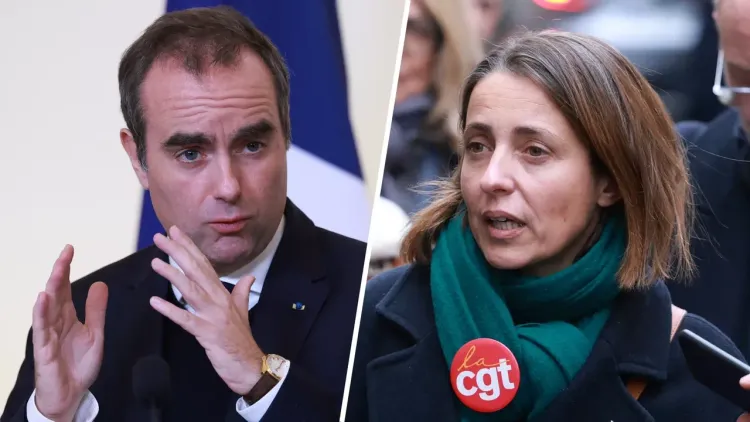
The unions' minimum-wage proposals varied. CGT General Secretary Sophie Binet sought a 10% increase, while CFDT leader Marylise Léon called for an additional €100 in monthly take-home minimum pay. FO head Frédéric Souillot wanted the gross monthly minimum wage raised to €2,000, according to Anadolu Agency and Daily Sabah.
The demonstrations grew out of a student-led movement that began in mid-September over education conditions, funding and staffing, then broadened to encompass wages and the cost of living, AFP and Anadolu Agency reported. An earlier protest day, October 17, brought what AFP described as France's worst rioting in years.
Police report attacks and arson
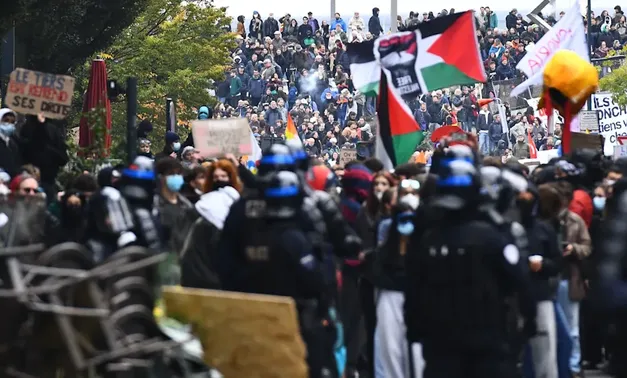
The Interior Ministry attributed clashes in Rennes, Marseille, Nantes, Lyon, Bordeaux and Strasbourg to groups of radical protesters and left-wing extremists. Some demonstrators tried to leave the main marches and reach city centers, and police faced attacks involving stones, fireworks and improvised explosive devices.
Paris also experienced violence. Authorities tallied 86 arson incidents across the country, according to Yahoo.
Ahead of the demonstrations, Interior Minister Laurent Nunez said on Wednesday, November 4, that France would deploy 70,000 police officers and security personnel nationwide. He pledged an "extremely firm response" to violence or disorder, AFP reported. The Eiffel Tower and Arc de Triomphe were closed for the day during Thursday's protests.
School blockades and damage
Schools suffered fires and vandalism, and injuries to staff were reported. In La Courneuve, a Paris suburb, a young man stabbed a student who was participating in a school blockade.
Rioters who entered a Toulouse school started a fire, damaged classrooms and destroyed computers. In Caen, two secondary schools sustained serious damage. A fire at a school entrance in Lille prompted an evacuation.
The disruption extended beyond the damaged buildings. According to AFP, the government reported that 81 of France's 3,700 high schools were blockaded, while a student association said demonstrations had caused classes to be suspended at 1,000 secondary schools. The education ministry put the share of teachers on strike nationwide at about 16%.
Further protests and government talks
The unrest came as the government faced a parliamentary setback over its budget. Late on November 4, the National Assembly rejected a substantially amended version of the government's initial proposal. All 458 lawmakers voted against the revised text, leaving it with no votes in favor. The original proposal was to go before the Senate, Daily Sabah reported.
The Yellow Vest movement called for nationwide blockades on Friday, November 6, followed by mass demonstrations on Saturday, November 7. Daily Sabah reported that the planned actions threatened to extend the disruption into a fourth consecutive weekend.
Prime Minister Sébastien Lecornu announced plans for a "social conference" bringing together trade unions and employers' organizations at Matignon on Monday, November 9, 2026, according to a government statement cited by Anadolu Agency.