What visitors can expect
Protests have taken place in Paris and other major French cities, and more gatherings are expected. Canadian officials warn that even peaceful demonstrations can deteriorate quickly. The advisory also highlights the continuing threat of terrorism, calling for particular awareness in crowded places and at major events.
Travelers are encountering more police and military patrols near transportation hubs, shopping areas and tourist attractions. Security concerns and anticipated demonstrations have prompted temporary closures at the Louvre and the Musée d'Orsay, while some large events have reduced or canceled programming on specific dates.
Curfews in late October were limited to particular areas or groups, rather than imposed nationwide. In Paris, an 11 p.m.-to-6 a.m. curfew covered the areas around Place de la République and the Les Halles shopping district. Paris police said it would continue "for as long as necessary." Lyon's city-center curfew ran from 9 p.m. to 6 a.m., while Marseille imposed a curfew for unaccompanied minors.
Restrictions may be announced with little notice, changing access to neighborhoods, evening travel plans and business hours. Visitors should check local notices and confirm attraction opening hours on the day they intend to go.
From student protests to nationwide unrest
The movement began in September 2026 with students seeking better conditions in French high schools. By mid-October, it had expanded into nationwide protests over living costs. AFP characterized the October 17 mass turnout as the culmination of four weeks of demonstrations that began with students.
AFP reported more than 2,500 arrests during the October 17 protests and injuries to nearly 1,000 security personnel. Damage affected at least 3,000 shops, with costs reaching hundreds of millions of euros.
The unrest also included an arson attack that destroyed the 143-year-old historic city hall in Limoges, central France. Police arrested a suspect. According to French media reports cited by NPR, the suspect had ties to radical environmentalist movements and appeared on a watchlist of people considered potential national security threats.
The protests unfolded roughly six months before France's presidential election, scheduled for April and May 2027. AFP reported that far-right leader Marine Le Pen led in surveys for the election. The agency also reported a surge in French inflation, especially fuel costs, since the Middle East war began in February 2026.
The government's security response
Authorities deployed 60,000 law enforcement personnel on October 17, followed by 70,000 security personnel for the October 24 marches. Interior Minister Laurent Nunez said troops from the Sentinelle anti-terrorism operation would guard sensitive sites so that more police officers and gendarmes could handle crowd control.
President Emmanuel Macron ordered a ban on non-union demonstrations, describing them as "illegitimate." After the interior minister said police had "lost control," Prime Minister Sébastien Lecornu left open the possibility of declaring a state of emergency.
Safety and travel precautions
Canada advises visitors to avoid demonstrations and large gatherings, including those that appear peaceful. Common protest locations include landmarks, central squares, government buildings and transportation hubs that tourists may otherwise pass through.
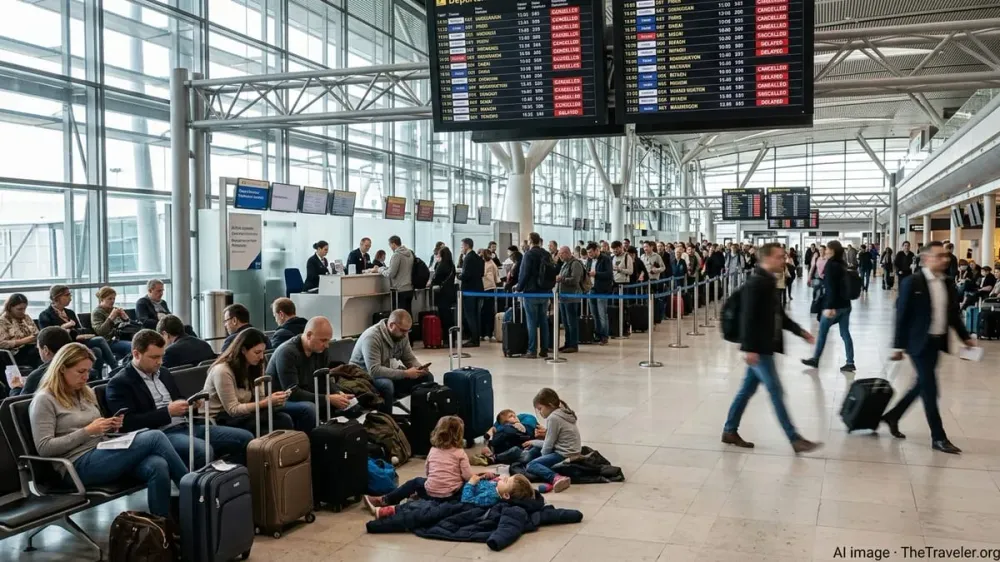
Travelers should monitor French news, trusted international reporting and announcements from airlines and rail operators. Protest-related disruption can temporarily shut metro stations, tram services and major roads, particularly in central Paris and other large cities.
The advisory recommends securing travel documents, keeping paper or digital copies when possible, and leaving itinerary details with relatives or friends in Canada. Registering with the Government of Canada's traveler registration service can provide emergency notices and help officials make contact if conditions worsen.
Visitors should also review insurance terms before departure or itinerary changes. Coverage may include conditions affecting claims related to civil unrest, curfews or canceled events.
Separate from the protests, foreign government advisories warn of pickpocketing and bag snatching in Paris and other major cities, especially near tourist attractions, railway stations and on public transportation. Museums, stadiums and other large attractions may require bag searches and controlled entry. Checking bag restrictions and other venue rules in advance can help travelers avoid delays or being turned away.
Planning around further disruption
Canada's guidance asks travelers to weigh their own tolerance for risk rather than automatically cancel a France trip. Flexible itineraries, changeable or refundable reservations and extra time around connections can accommodate unexpected closures or transportation problems. Those attending concerts, sports matches or festivals should monitor organizers' announcements for security-related changes.
Travelers should review Canada's France advisory shortly before departure and continue checking it during their stay, since both risk assessments and recommendations can change quickly.
A further potential disruption is scheduled for Thursday, November 5, 2026. The major unions CFDT, CGT, FO, UNSA and FSU have called nationwide strike action and marches. The Rio Times reports that all four rail unions at the state railway SNCF have also called a strike that day, which could affect high-speed TGV, Intercités and regional services.