A national framework for wine-tourism aid
Decree No. 2026-1005, dated October 26 and published in the Official Journal three days later, revises the wine-sector provisions of France's rural and maritime fishing code. It incorporates wine tourism into the country's CAP National Strategic Plan, known by its French acronym, PSN.
The measure establishes how national and regional authorities can organize the intervention and its financing. French officials said it was designed to comply with European rules on CAP spending. According to Agra Presse, the change allows tourism promotion to become part of existing wine support programs.
The European legal basis came earlier in the year. Regulation (EU) 2026/471, known as the wine package, was signed by the co-legislators on February 26, 2026, and took effect March 18. It amended the CAP Strategic Plans Regulation to allow member states to fund wine-tourism development by producer organizations, associations, interbranch organizations and producers managing protected designations of origin and protected geographical indications. France's decree puts that framework into operation nationally.
Separately, the European Commission says it approved France's first strategic amendment to its CAP Strategic Plan on October 8, 2026, three weeks before publication of the decree.
Support for visits, tastings and regional promotion
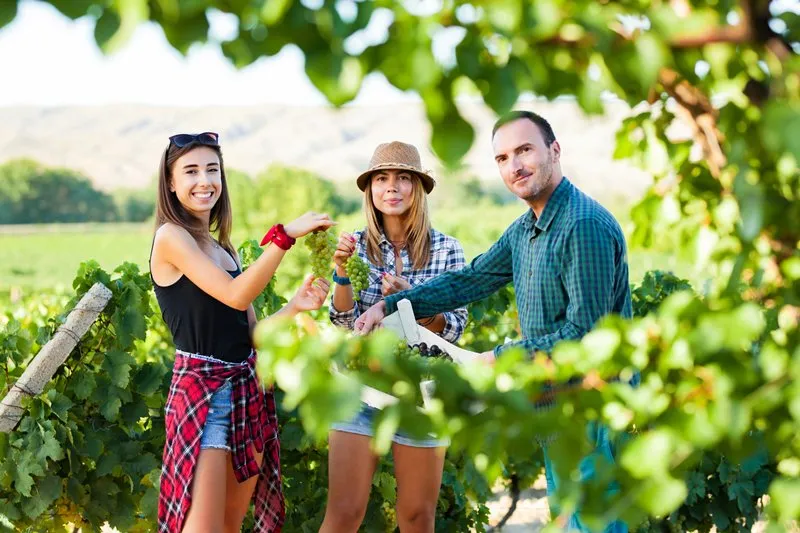
The French measure is aimed at estates and other producers whose businesses include welcoming visitors for tastings, cellar tours and related activities. Agra Presse described its purpose as helping vineyards develop wine tourism and place greater value on the services they provide to visitors.
The decree's notice on Légifrance presents wine tourism as a means of economic development and promotion of French wine. It also identifies stronger competitiveness for wine businesses and greater appeal for wine-growing destinations as objectives of the revised measures.
For wineries seeking income beyond bottle sales, inclusion in the PSN provides a more clearly defined route to public support. It could also help wine regions promote themselves jointly, with potential benefits for restaurants, lodging businesses and other beverage producers connected to local tourism. Visitor spending could help producers diversify their income, spread risk and build awareness of local brands outside traditional retail channels.
Wine tourism sits alongside other interventions covering farm modernization and the promotion of vine products. The Official Journal notice places the updated provisions within a broader approach to sustainability, quality, and environmental and social issues.
An addition to substantial existing support
Wine represents the largest share of French agricultural production by value, according to the European Commission's overview of France's CAP plan. Its share is 13.2%, followed by milk at 13.1%, cereals at 13% and cattle at 9.9%.
The sector already receives significant public assistance. In a written parliamentary reply published July 21, 2026, the French Agriculture Ministry said more than €1 billion in public funds had been mobilized for wine since 2020. That support was additional to the €270 million in European funding the sector receives each year for vineyard restructuring, winemaking facilities and export market development.
Pressure on sales and producer income
The European Parliament's legislative file on the wine package records an overproduction warning from the EU High-Level Group on Wine Policy. The group cited EU wine consumption at a 30-year low and changing preferences, particularly among younger consumers, toward drinks with less alcohol. It also pointed to climate-related unpredictability in production and weaker exports amid geopolitical instability.
In France, lawmaker Julie Lechanteux raised concerns about export markets in a parliamentary question published March 31, 2026. She said French wine and spirits exports to the United States had fallen 21% in 2026, while shipments to China had dropped 20% amid broader trade tensions. She linked those pressures to narrower margins, strained cash flow and growing stocks of unsold wine among growers.
The tourism decree creates another possible avenue for diversification, but the texts available on October 29 did not say how much funding would be offered or when specific calls for projects would open.