Var wildfire contained after burning 1,800 hectares as France faces worst fire season since 1949
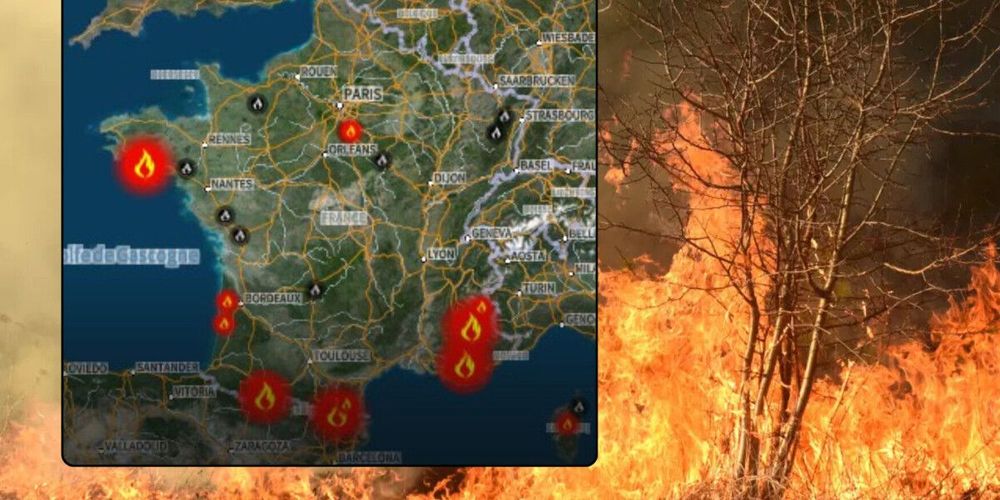
The wildfire in Var has burned approximately 1,800 hectares but firefighters reported on Sunday morning that the blaze had been contained overnight, with most evacuation orders now lifted. The fire, which spread around Montfort-sur-Argens, Carcès, Correns and neighbouring communities, remains part of France's worst wildfire season since 1949, when approximately 131,000 hectares burned in the Landes forest region.
Strong winds, exceptionally dry vegetation and extreme temperatures fuelled the fire's rapid advance through the Gros Bessillon area. The conditions reflect a broader pattern across France, where the national meteorological service Météo-France reported that June 2026 was the hottest on record, averaging 3.8 degrees Celsius above normal, while rainfall was nearly 50 per cent below average.
Var prefect Simon Babre confirmed on Sunday morning that the fire's perimeter had not expanded, allowing authorities to lift most evacuation orders. However, he cautioned that the blaze remains active, with crews continuing to tackle hotspots and secure the fire's edges.
A major emergency response remains in place, with 1,500 firefighters deployed alongside four Canadair water-bombing aircraft, two Dash aircraft and five water-bombing helicopters. A firefighting unit from the Paris region, previously deployed in Gironde, joined operations on Sunday morning. France activated the European Union Civil Protection Mechanism on 24 July, resulting in deployment of water-bombing aircraft and helicopters from seven EU countries including Croatia, Czech Republic, Germany, Portugal, Slovakia, Sweden and Turkey.
Extreme heat persists across southern France
Twenty departments remained under an orange heatwave alert on Sunday, mainly across the south-east, the Rhône valley, the Alps and Corsica. After a brief respite on Saturday, a fresh surge of hot air from North Africa pushed temperatures up by around 5C in many areas.
Afternoon highs of 35C to 38C were expected across much of southern and eastern France, with temperatures of 30C to 34C elsewhere. Only the Channel coast and western Brittany were forecast to remain significantly cooler, at 24C to 29C.
Isolated but potentially strong thunderstorms were also forecast to develop over the Pyrenees, Massif Central, Alps and Corsica later on Sunday, bringing a risk of hail and strong wind gusts. In the Gironde earlier this summer, extreme fire intensity generated pyrocumulonimbus effects that created lightning and ignited additional fires, a phenomenon never before documented in France but previously seen in North America and Australia.
Protective measures for affected residents
A total of 2,500 protective masks have been taken from emergency stocks, with 500 provided to the gendarmerie for personnel involved in operations and 2,000 distributed in Montfort-sur-Argens for residents and neighbouring communities. Further deliveries are planned for Correns, Cotignac and other communes.
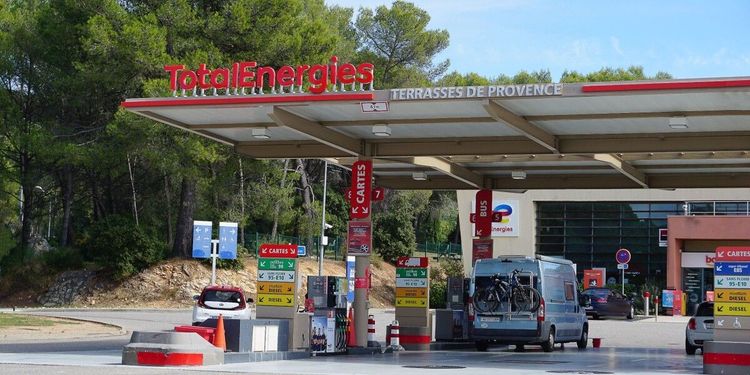
The Var prefecture has closed all forest massifs in the department, with access, traffic and works prohibited in affected areas. Several motorway rest areas have also been closed as a precaution, including areas along the A57 and A8 motorways.
National crisis 'under control' but challenges remain
Prime Minister Sébastien Lecornu said on Sunday that wildfires across France were now under control, while stressing that the situation remained very changeable because of weather conditions. He said the situation in Gironde had returned to a more stable phase, although authorities remained ready to reintroduce emergency measures if conditions worsened.
The government announced that a national reconstruction coordinator will be appointed to oversee rebuilding work in areas devastated by this year's fires. Since the beginning of 2026, more than 117,000 hectares have burned across France. France's Interior Ministry reported that 13,566 separate fires occurred across the country from January through late July 2026, representing the highest annual figure in the country's modern records.
The Mediterranean climate of southern France, characterised by hot, dry summers and autumn-winter rainfall, creates natural conditions where fire plays a key role in shaping vegetation and ecosystem dynamics. However, the current season's severity reflects exceptional meteorological conditions that have exacerbated these inherent risks.
Gironde situation stabilises
In Gironde, the major wildfire that burned around 42,000 hectares has been declared contained, although firefighters continue monitoring for flare-ups. More than 208,000 people who were evacuated at the height of the crisis have now been allowed to return home, while some areas around Lège-Cap-Ferret remain closed because of the risk of the fire reigniting.
Prime Minister Lecornu urged holidaymakers not to avoid the department, describing visiting Gironde as an act of solidarity with businesses affected by the fires.