Testing the theory on the A13
For motorists planning summer road trips across France, a familiar dilemma arises at every fuel warning light: fill up at the motorway service station or exit for a potentially better deal in town. With fuel costs rising due to renewed tensions in the Middle East since June 2026, prompting the government to extend a €100 fuel aid scheme until August 31, more drivers are weighing whether the detour is worthwhile.
France operates Europe's largest toll road network, spanning over 11,882 km of motorways, more than three-quarters of which are tolled and privately operated under concession agreements with companies such as VINCI Autoroutes, Sanef, and APRR. This extensive infrastructure means the fuel choice affects millions of travellers annually.
Public broadcaster France Télévisions conducted a practical experiment on the A13 motorway towards Normandy, comparing fuel prices on and off the motorway to determine the real savings. Driving a small city car with a 42-litre petrol tank, the team used a fuel comparison app recommending an exit at Freneuse in the Yvelines department, located four kilometres from the motorway—an 11km round trip in total.
At a supermarket forecourt there, petrol sold for €2.04 per litre and diesel for €2.20, bringing a full tank to €85. The station was busy with other motorists employing the same strategy. One driver, Gérard Legrand, explained his routine: he adds just €10 of fuel at motorway stations to reach cheaper options further along his route.
French supermarket chains including Leclerc, Carrefour, Intermarché, and Système U sell fuel almost at cost price as a strategy to attract shoppers, typically offering prices 10-20 cents per litre cheaper than branded stations.
Motorway prices reveal mixed picture
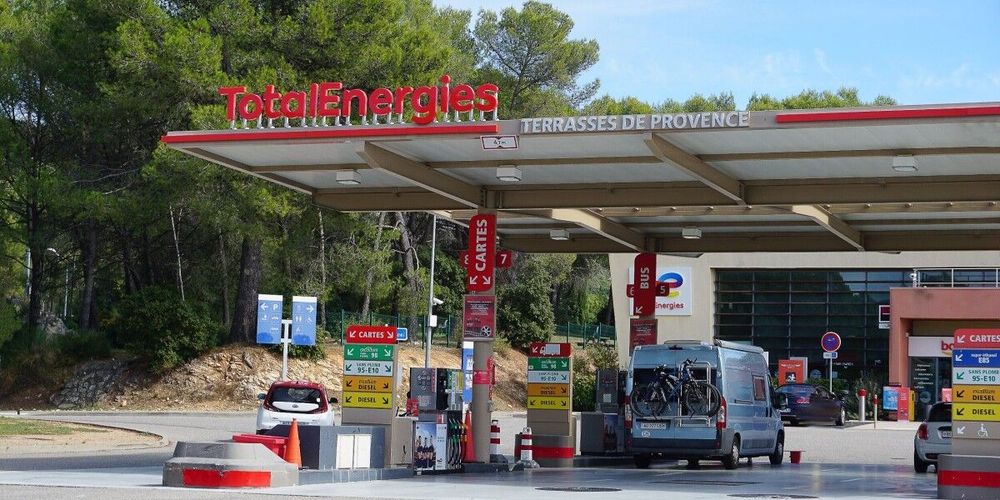
Returning to the A13, the team discovered the comparison was more nuanced than anticipated. Petrol at the motorway service station cost €2.08 per litre—higher than the supermarket—but diesel was slightly cheaper at €2.17 per litre.
For the petrol-powered test vehicle, leaving the motorway proved advantageous, with the journalist calculating roughly €3 in savings. However, this figure did not account for the 11km detour driven, meaning the actual margin was narrower. Motorway service stations in France typically charge 15-25 cents per litre more than the national average, with the premium justified by expensive concession fees paid to motorway operating companies, round-the-clock staffing costs, and infrastructure requirements.
The findings suggest petrol tends to be pricier at motorway services, but diesel does not always follow the same pattern. Checking a fuel price comparison app remains essential rather than assuming either option automatically offers better value.
National data confirms the trend
Official figures from the government's prix-carburants.gouv.fr website, based on June 2026 data, support the general trend. Since 2006, French fuel stations have been legally required to report their prices to this system, making France one of Europe's most transparent fuel markets.
On average, SP95-E10 petrol—a blend containing up to 10% bioethanol introduced in April 2009 to reduce fossil fuel consumption—cost between €1.98 and €2.02 per litre at supermarket stations, compared with €2.18 to €2.28 per litre at motorway service areas. This represents a gap of approximately 20 to 25 cents per litre. Over a full tank, drivers saved an average of around €11.50 by refuelling off the motorway.
As of late July 2026, the average price of Euro 95 petrol in France stood at approximately €2.06 per litre and diesel at €2.17 per litre, ranking France 12.4% and 12.9% above EU-27 averages respectively. France is the second-largest energy consumer in Europe after Germany and the leading European producer of bioethanol, though the fuel industry still relies on imports mainly from Saudi Arabia, Nigeria, Norway, the UK, Iraq, Iran, and Russia.
SP95-E10 has become the most consumed fuel type in France, accounting for 59.8% of petrol sales in 2024 and approximately 47.5% of overall fuel market share.
Practical guidance for drivers
For those planning long journeys through France, the evidence suggests avoiding assumptions about which option costs less, particularly for diesel. Checking a fuel price comparison app before deciding whether to exit the motorway and weighing any detour against time and additional mileage remains the most reliable approach to ensure genuine savings.
Exiting the motorway to refuel generally does not affect toll costs. On most closed toll systems, drivers are charged only for the full section of motorway actually driven, so re-entering after a brief detour makes little or no difference to the final toll bill. Toll revenues make up 50% of the budget for construction, maintenance, and operation of France's national road network.
Card payment warning at automated pumps
Many French service stations, especially on motorways and overnight, accept payment only via unmanned automated pumps. These terminals often place a temporary pre-authorisation hold on the card used, usually €150, which is normally released after the petrol purchase. However, some banks take several days to credit the difference back.
For example, a driver charged €150 who purchases only €35 of petrol will eventually receive €115 back, but the funds may be unavailable for days. This applies equally to UK-issued and French cards. Drivers should check with their bank before long trips or pay inside at a manned till where possible to avoid the hold. In 2023, numerous foreign cards were reported rejected at unmanned automated pumps.