Reader condemns French towns' bans on outdoor laundry drying
A reader has voiced strong opposition to regulations in several French municipalities that prohibit residents from drying laundry on balconies and windows, calling the restrictions an unnecessary intrusion into daily life.
The controversy centres on Villeneuve-sur-Lot in south-west France, which recently banned residents from drying laundry on balconies and windows in its historic town centre to protect its heritage and tourism appeal. The move is not unprecedented—Béziers implemented a similar prohibition in 2014 under mayor Robert Ménard, forbidding residents from leaving washing visible from public roads between 6am and 10pm for aesthetic reasons. Mantes-la-Jolie, a suburb of Paris, has also banned the practice in certain areas with possible fines of €38.
In fact, most French towns and cities have by-laws which forbid hanging washing from windows, citing safety and hygiene reasons, though Paris takes a more moderate approach with a 1979 bylaw stating that objects, plants, and laundry on balconies must not create unsanitary conditions or pose danger to passersby, without explicitly banning laundry drying.
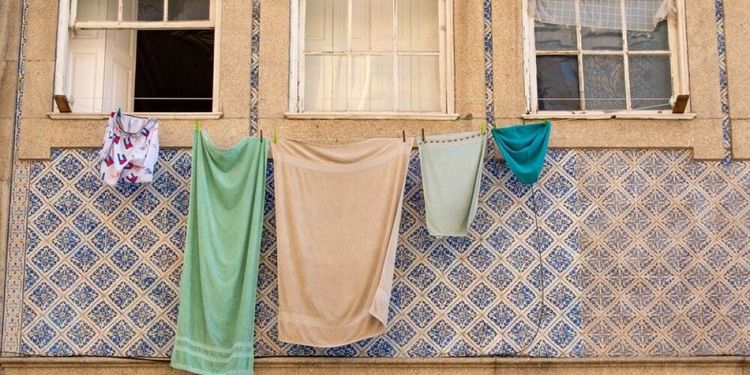
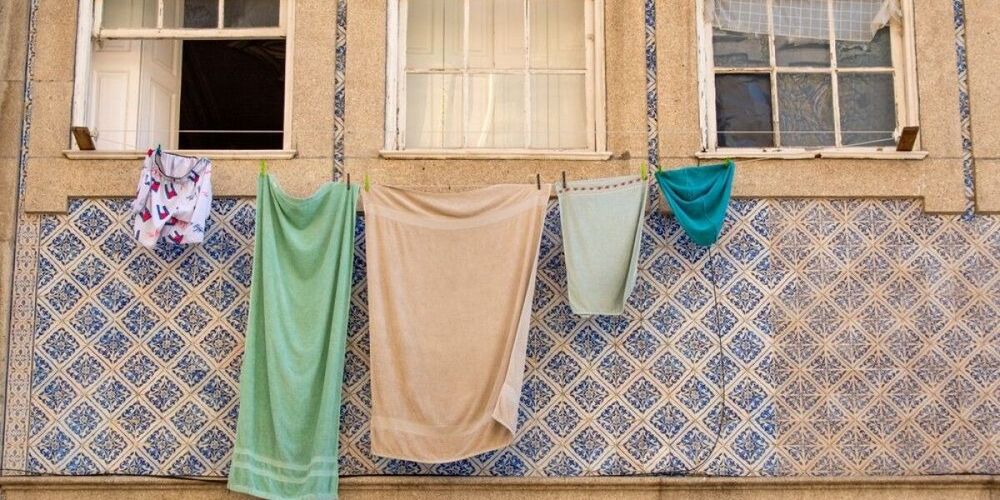
The reader argues that outdoor drying should be permitted for upper-floor residents, describing it as "the most ecological way to dry" clothes whilst making a town "look alive, lived in and even colourful."
Environmental and financial benefits
The environmental argument carries substantial weight. A typical tumble dryer uses about 2.5 kWh to 4.5 kWh per load, costing between 85p and £1.50 per cycle, while air drying uses no electricity. According to a University of Michigan study, households could save upwards of $2,100 and avoid 3 tons of carbon dioxide emissions over the lifetime of a dryer by switching to air drying.
Health concerns from indoor drying
Beyond environmental considerations, the reader raised concerns about health risks from forcing residents to dry clothes indoors. Drying clothes indoors releases about 2 litres of water per load into ambient air, which can increase indoor humidity and promote mould growth in poorly ventilated spaces.
Drying clothes inside could cause condensation and damp issues which in turn can affect health. People won't necessarily want windows open in winter whilst their clothes are having to be dried indoors.
These concerns are supported by research showing that exposure to mould from indoor drying can cause respiratory infections, asthma exacerbation, and other health issues, particularly for vulnerable populations with compromised immune systems.
Cultural context
The practice of hanging laundry outside is less common in France than in other Mediterranean countries such as Portugal or Italy, where outdoor drying forms part of their aesthetic heritage. This cultural difference may partly explain why French authorities have been more willing to implement such restrictions.
The reader concluded with a plea for authorities to reconsider their priorities: "Why can't the law just leave people to live their lives in peace. Go out and catch some real criminals instead."