France's water crisis deepens as 44 departments hit highest restriction level
Tap water restrictions across France have intensified dramatically, with 44 departments now implementing crisis-level measures that ban all but essential water usage. Only two departments—Maine-et-Loire and Lot—remain free of tap water restrictions, though both face limits on well and river water use.
The scale of the restrictions marks an unprecedented situation for late July. An additional 29 departments have at least one commune under alerte renforcée, the second-highest restriction tier, while 12 departments face alerte-level measures. Nine departments remain under vigilance warnings, urging residents to limit water consumption voluntarily.
Record drought conditions drive restrictions
The severity of the crisis reflects extreme environmental conditions. By July 9, Météo-France reported that average soil-moisture levels across metropolitan France had fallen to the driest ever recorded for that date, surpassing even the severe drought years of 2022 and 2025.
The situation has been compounded by months of insufficient rainfall. April 2026 ended with a rainfall deficit of nearly 70 percent, making it the fourth driest April since 1959. More than half of France recorded rainfall below 50 percent of normal levels that month, with some areas seeing deficits exceeding 75 percent. Spring overall ranked among the 10 driest since 1959, with a rainfall deficit around 30 percent.
June brought record-breaking heat, with temperatures reaching 3.8°C above the 1991-2020 average—the hottest June on record. The combination of sparse rainfall and extreme heat has devastated France's waterways. As of July 1, one quarter of the country's small streams—819 in total—had either stopped flowing in places or dried up completely, according to the French Office for Biodiversity. This represents twice as many affected streams as in 2022 and the worst situation recorded for this time of year since monitoring began in 2012.
Groundwater crisis threatens water supply
Groundwater depletion poses a particular threat to France's water supply system. According to BRGM (Bureau de Recherches Géologiques et Minières), 77 percent of France's groundwater levels were declining as of June 2026. This matters critically because groundwater accounts for nearly two-thirds of drinking water consumption in metropolitan France and more than one-third of agricultural water usage.
The crisis has emerged around a month earlier than typical drought patterns. Minister Monique Barbut cited a profound disruption to the water cycle to explain how severe conditions developed in mid-July despite spring rainfall levels having been generally within normal range. Officials are comparing the 2026 drought to historic episodes from 1976 and 2022. In early August 2022, two-thirds of France reached crisis alert level.
Widespread restrictions with varied local impact
Water restrictions are imposed by prefectural order at the commune level, meaning neighboring towns within the same department can face different rules depending on local water resources. The maps show that in several departments, restrictions now cover most if not all areas, extending far beyond isolated communes.
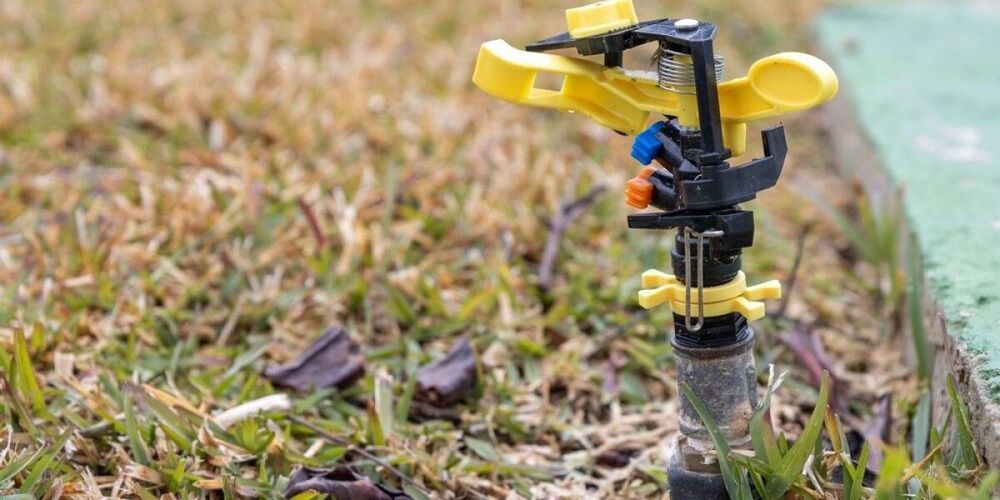
Crisis-level restrictions prohibit non-essential water usage, with limitations typically including watering gardens and plants, washing cars, topping up or filling swimming pools, and cleaning driveways and property exteriors. Restrictions differ for businesses, individuals, farmers, and local authorities. Separate restrictions on river and well water usage can vary considerably from tap water rules.
Violating water restriction rules typically results in a fifth-class fine of €1,500, rising to €3,000 for repeat offenders. Enforcement is carried out by the Office français de la biodiversité and Directions Départementales des Territoires.
Checking restrictions in your area
The official VigiEau website provides the most reliable source for checking current restrictions. Launched by the French government in July 2023, the platform offers centralized, real-time information updated daily based on prefectural orders. Both an interactive map and search tool allow residents to find up-to-date information specific to their commune.
The Connexion has published detailed guidance on using VigiEau and answered reader questions about the drought, including how rainwater collection is affected and rules on swimming pool maintenance.