Rising EU climate charges force ferry operators to cut routes and raise fares
Cross-Channel ferry operators are grappling with escalating EU climate charges that threaten routes, push up fares and challenge future investment plans across the industry.
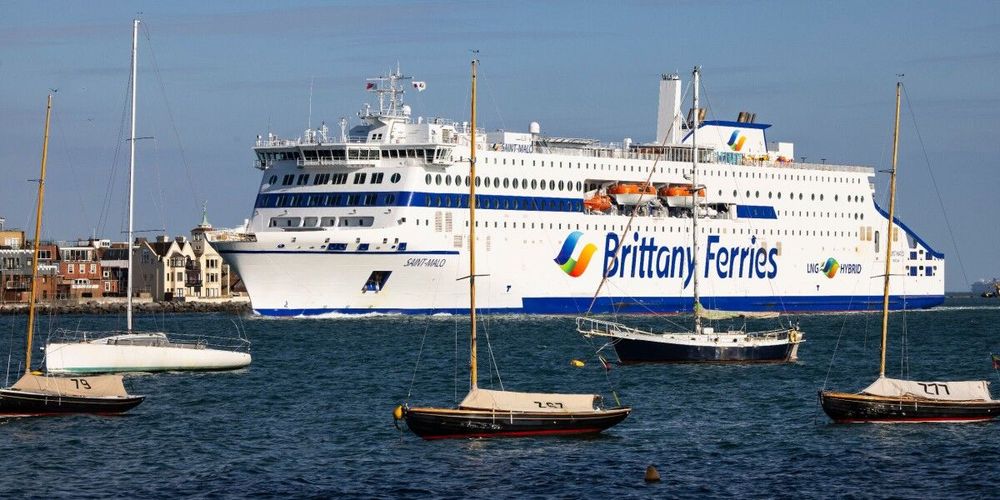
Brittany Ferries has announced the closure of its Poole-Cherbourg route from November and Portsmouth-Le Havre from October, citing rising costs from the EU's Emissions Trading System as a key factor. The company is also selling two conventionally-fuelled vessels, Cotentin and Barfleur, as it adapts to the new regulatory environment.
The ETS, introduced in 2005 and now the world's largest carbon market, has become a central pillar of EU climate policy. The scheme expanded significantly in 2026 to include methane and nitrous oxide emissions from ships, in addition to the carbon dioxide already covered since 2024. This regulatory expansion has driven up costs for ferry operators across the board.
Brittany Ferries now faces an ETS bill of €27 million this year, despite what it describes as having invested in the "cleanest, greenest fleet on the Channel". The company is applying an 'ETS surcharge' to passenger tickets to help recover some of these costs. With carbon allowance prices trading between €74 and €77 per tonne in May 2026, ferry operators must purchase permits to cover their greenhouse gas output.
The financial pressure comes at a difficult time for Brittany Ferries, which accumulated losses of €220 million during the Covid years of 2020-2021. The company is still repaying half of a €117 million state-guaranteed loan taken to survive the pandemic's collapse in passenger numbers, though it had shown signs of recovery with 1.93 million passengers in fiscal year 2024, marking a 6.5% increase and the second consecutive year of growth.
Industry-wide impact
The ETS burden extends across the ferry sector. Shipping companies reported 89.8 million tonnes of verified CO2 emissions in 2024 under the EU ETS maritime scheme, illustrating the scale of the industry being regulated. According to the European Commission, maritime transport accounts for roughly 3-4% of the EU's total CO2 emissions.
Other ferry operators have also introduced environmental charges. DFDS advertises a passenger ETS surcharge that varies by vehicle type, while Irish Ferries publishes a fixed environmental charge per vehicle on cross-Channel trips covering both ETS and compliance with EU sulphur content regulations. P&O Ferries applies an EU ETS surcharge on affected routes.
The route closures have sparked criticism from unions and passengers alike. The CFDT union warned the cuts will hit jobs and Normandy tourism, describing the routes as "major entry points for numerous British visitors". Passengers expressed frustration about losing convenient connections that avoid congested UK roads.
Regulatory framework and future changes
The ETS system requires companies to submit independently audited emissions reports each year and purchase enough carbon allowances to cover their output. Revenue raised funds climate and energy projects across EU countries.
The scheme applies to 50% of emissions from trips starting or ending in the EU and 100% of those between two EU ports. Coverage was phased in gradually: 40% of relevant emissions required allowances for 2024, 70% for 2025, and 100% from 2026 onwards.
The UK established its own ETS for maritime operations, which entered into force on 1 July 2026. It applies to ships of 5,000 gross tonnage or more on domestic UK voyages and emissions at UK ports. At present, cross-Channel ferries are only liable for emissions while in UK ports, but proposals would extend this to 50% of emissions from cross-Channel trips from 2028, mirroring the EU scheme. In May 2025, the EU and UK announced their intention to link their respective emissions trading systems.
Calls for reform
Ferry industry body Interferry has criticised the current ETS implementation, with director of regulatory affairs Johan Roos calling for the phase-in stage to be paused. He argued that road transport remains exempt while ETS revenues paid by shipping are not ringfenced for the maritime sector.
Roos warned that if ferry prices rise significantly, freight customers may switch to road haulage via the Channel Tunnel, increasing congestion.
This exemption of road transport creates an immediate, severe competitive disadvantage for roll-on, roll-off and passenger ferries.
The European Commission proposed changes in mid-July including allocating ETS allowances to firms investing in EU-approved green fuels, hydrogen and clean propulsion technology to help offset additional costs. The proposals, now being debated by the EU Parliament and Council, also recommend countries invest 50% of their ETS revenue in industries that pay into the scheme.
Interferry estimates the proposed support would amount to about 10% of the value of ETS payments made by its members.
Our members pay in around €1 billion per year, money that is dearly needed to decarbonise the fleet. That's why the revised ETS must significantly increase how much comes back to our sector: both from Brussels and from the member states.
Investment in cleaner technology
Brittany Ferries has invested in liquefied natural gas and LNG/electric hybrid ships that can plug into shore power in port. However, any potential savings may have been outweighed by the phased expansion of the EU ETS scheme, particularly as methane emissions from LNG-powered ships were brought into the system from 2026. The company has started using biomethane and plans to increase this over time.
P&O highlighted its ecological strategies, including introducing hybrid Fusion Class vessels on the Dover-Calais route that emit 40% less carbon than traditional ships and can operate entirely on battery power when shore power is available. The company also pioneered biofuel use on its Pride of Hull vessel operating the Hull to Rotterdam route in 2025.
DFDS said it is studying the latest ETS proposals and will comment further in due course, while declining to discuss potential future restructuring plans.
The EU maintains that maritime transport is one of the most energy-efficient ways to move people and goods but remains a significant and growing source of greenhouse gas emissions. It warns that if shipping emissions continue rising towards 2050, they will undermine the Paris Agreement's goal of limiting global warming to below 2C above pre-industrial levels.