Understanding French wine vintages: a guide to choosing quality by year
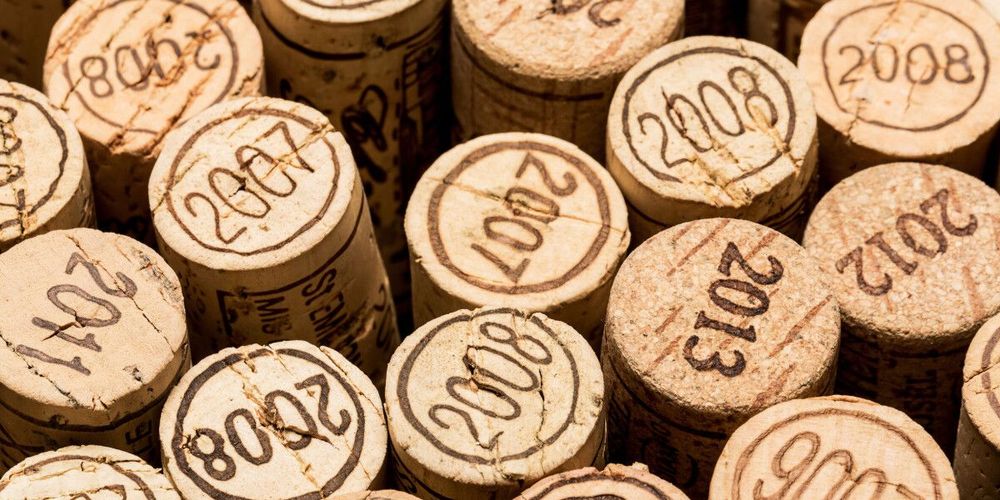
The word vintage carries an air of prestige today, evoking classic cars, fine clothing and timeless design. Yet its origins lie in something far more earthy: the Latin vindemia, meaning grape harvest, which evolved into the French vendange. At its heart, vintage refers to a moment in time whose unique conditions shape the character of what is produced. For wine, the vintage is simply the year stamped on the label—the year those grapes were picked and transformed into the bottle you hold.
Unlike nearly every other consumable, wine is profoundly tied to its vintage. Most products carry use-by dates. Whisky may be aged in cask for years, but you rarely know when it was distilled. Cheese might be labeled as 12 or 24 months old, but the actual production year remains a mystery. Olive oil, sake, Cognac, tea and honey all vary with the seasons, yet only the most dedicated enthusiasts pay attention. For wine, however, vintage matters deeply—for two reasons. First, it tells you how old the wine is. Second, it reveals which year's harvest went into the bottle, offering clues about the wine's likely quality and character.
Should you age your wine?
Both aspects confuse many wine drinkers. A common question: how long should I age this wine before opening it? The answer is always the same: it depends. It depends on the particular wine and how it has been stored. Most importantly, it depends on whether the wine was made to improve with age or to be enjoyed young.
The vast majority of wines fall into the latter category. Most whites, nearly all rosés, light reds and wines with soft, fruity flavors are designed to be consumed within one to four years. Very few mass-market brands benefit from aging. Even in the artisanal sector, most natural wines decline over time rather than improve. So why do people bother aging wine at all?
The reason is simple: properly aged wines can develop more beautiful aromas, more complex flavors and silkier textures. They reveal their terroir—the environment where the grapes grew—with greater clarity. There is also something special about uncorking a bottle you have carefully stored for years, watching it evolve into something more profound than it was when young.
For a wine to age well, it must first have good concentration. White wines need acidity or sweetness, ideally both. Quality Riesling, Chenin Blanc and cool-climate Chardonnay can develop positively for five to 15 years. Red wines rely on tannin for their aging potential. Cabernet Sauvignon and Syrah provide robust, age-worthy tannins, as do many wines from the Rhône, Languedoc-Roussillon and Southwest France. Top Bordeaux and Northern Rhône reds can improve for 10 to 30 years.
What makes a great vintage?
When experts speak of a great vintage, they mean the weather throughout the year was ideal for ripening grapes, with none of the negatives: no frost, no mold, no mildew, no hail, no drought, no heatwaves. In France, vines are rarely irrigated—unlike in the New World. Irrigation remains prohibited for Appellation d'Origine Protégée (AOP) wines, though since September 2017, INAO regulations have been relaxed to allow exceptional irrigation from May 1st onward, rather than the previous June 15th start date, in response to climate pressures. Buried drip irrigation devices, once banned, are now permitted under certain conditions.
The role of rainfall
Rainfall is critical. If vines do not receive enough water at the right time, they cannot ripen properly. Dry conditions in spring and summer can lead to unripe fruit, resulting in thin, acidic wines with harsh tannins in reds. Too much rain during the growing season encourages mold and mildew, and vine shoots may grow excessively long. Rain just before harvest swells the grapes with water, diluting flavors and sometimes splitting the skins, which leads to rot.
Temperature and ripening
Ripening depends primarily on temperature. If average temperatures are too low, grapes fail to ripen fully, producing wines with excessive acidity and green tannins. When temperatures run higher than normal, grapes can overripen too quickly, yielding high-alcohol but simple-tasting wines. A long, gradual ripening period allows complex, rounded flavors to develop in the skins, leading to superior wines. The perfect vintage delivers just the right amount of timely rainfall combined with temperatures that ripen the grapes evenly.
Temperatures in French vineyards have risen approximately 3°C since 1980, causing harvest dates to advance by two to three weeks compared to 40 years ago. This shift is fundamentally altering which grape varieties can thrive in traditional regions. Climate modeling suggests that temperatures during the growing season in Mediterranean areas could rise by an additional 3.7°C by 2070 compared to the second half of the 20th century.
Other weather challenges
Other weather factors can devastate a vintage. Spring frost kills emerging shoots, meaning vines produce little fruit, or only small bunches that ripen too late. Wind and rain in early summer can prevent grape flowers from being fertilized, resulting in bunches with few grapes—a condition called coulure—or many tiny grapes, known as millerandage. Both reduce volumes significantly. Hail can shred or damage entire bunches.
The winemaker's role
Winemakers can manage or mitigate these challenges to some extent, though at considerable cost. The decisions they make directly affect both the quantity and quality of wine produced in any given year. Producers focused on quality can make good wines even in poor vintages, while those prioritizing volume will see quality suffer. A great vintage allows the best producers to craft exceptional wines, but it also enables mediocre producers to make better ones than usual.
Beyond perfectly ripe fruit, winemakers also hope for plentiful crops. At the end of the day, more wine is better than less. In AOC areas, maintaining yields between 40 and 60 hectoliters per hectare is essential for financial viability. When yields fall below 30 hectoliters per hectare, as has occurred in some areas like Pyrénées-Orientales, vineyard operations become financially unsustainable. France's 2024 wine production reached a historic low of approximately 36.1 million hectoliters—the smallest harvest since 1957, representing a 23.5% decline from 2023, caused by fungal diseases and poor flowering conditions.
Regional variation in vintages
It is very rare for every region in France to experience a great vintage in the same year. Each region faces different weather conditions. A warm year may benefit northern winemakers but harm southern producers, and vice versa. This is why checking the rating for a red Bordeaux vintage tells you nothing useful if you are buying Chablis. You need to know whether the vintage was considered good in the specific region.
Recent vintages illustrate this variation. The Bordeaux 2023 vintage received ratings of 3.75 out of 5 for red wines and is described as a good vintage with modern classic characteristics—lower alcohol, vibrant freshness and elegant wines that will drink well young and age for decades. The 2024 Bordeaux vintage, by contrast, proved the most challenging in over a decade, with the highest precipitation since 2000. From October 2023 to March 2024, vineyards received nearly 900mm of continuous rain, 70% above the 10-year average, resulting in wines with lower alcohol and more freshness.
France has over 360 AOC/AOP wine appellations regulated by INAO (Institut National de l'Origine et de la Qualité), which governs rules on grape varieties, maximum yields and winemaking processes. This regulatory framework ensures consistency and quality across French wine production. In 2024, French wine exports totaled €10.9 billion, declining 3% in value despite a 0.7% volume increase, with the United States remaining the largest export market at approximately €2.3 billion.
Appreciating vintage variation
Finally, vintages are not simply good or bad. They give wines different characteristics—especially true for single estates. Connoisseurs find this fascinating because they can taste the effect of that year's weather on a particular region. Most consumers, however, find it annoying because they prefer consistency.
Understanding vintage variation and how it affects a wine over its lifetime can help you choose and store your wine more successfully. It can deepen your appreciation for the way weather, terroir and winemaking decisions combine to create something unique each year—and perhaps make you a bit more of a connoisseur yourself.
Jonathan Hesford has a Postgraduate Diploma in Viticulture and Oenology from Lincoln University, New Zealand and is the owner, vigneron and winemaker of Domaine Treloar in the Roussillon. If you have questions on this wine column, email info@domainetreloar.com