France reports 1,200 arrests
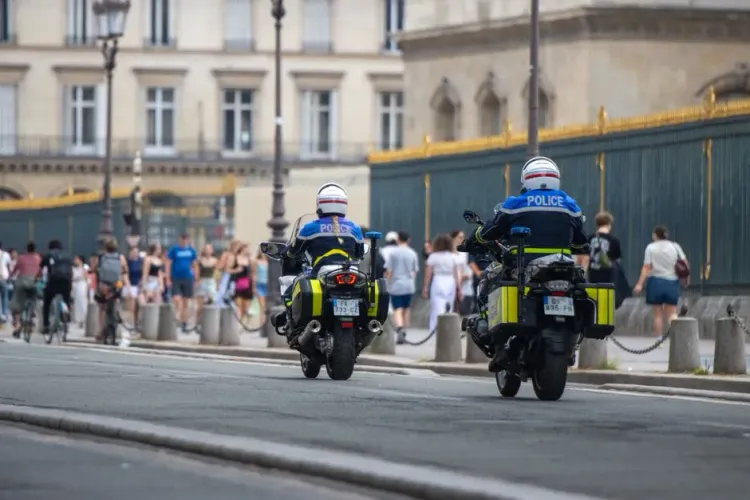
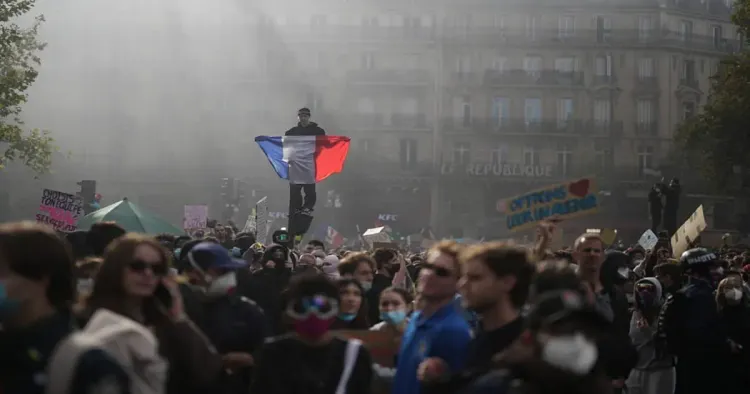
France's Interior Ministry put nationwide participation at more than 550,000 people. Prime Minister Sébastien Lecornu reported 1,200 arrests and injuries to 150 police officers as unrest brought normal activity in Paris to a halt.
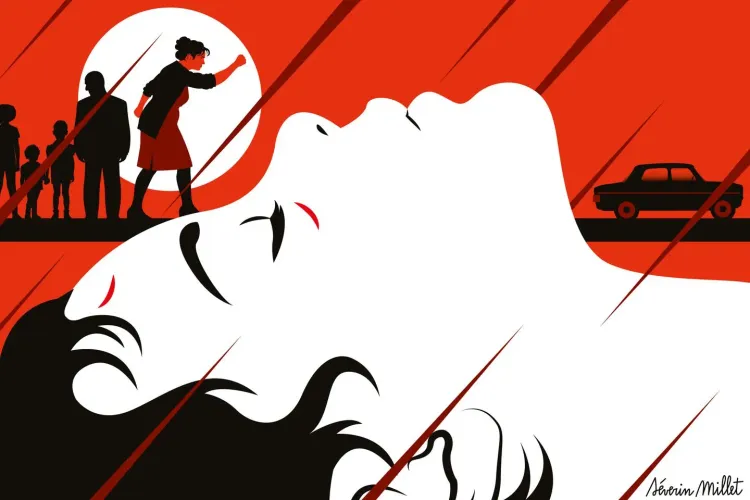
The immediate trigger for the French protests was the eviction of an 87-year-old woman whose rent had been increased by 230% by an investment fund. She subsequently died in a hospital. Demonstrators called for limits on rent increases through rent freezes, safeguards against eviction and regulation of short-term rentals.
Other French cities also sustained extensive damage. AFP reported that masked protesters set a fire that largely destroyed Limoges' town hall, which was more than 140 years old. Intruders vandalized the city halls in Marseille and Lille, while protesters burned Lyon's tourist office. President Emmanuel Macron said on X that those responsible would be "prosecuted and punished".
Economic pressures and a proposed French budget
The unrest extended to England, Albania, Italy, Portugal and Belgium. Large crowds protested rising living costs, unaffordable housing and declining standards in public services and education. The demonstrations appeared coordinated and reflected broad economic and social grievances. Inflation, higher food and fuel bills, and geopolitical disruptions to energy supplies had added to pressure on household finances.
In France, one in three people reportedly finishes the month overdrawn. Insee, the national statistics bureau, recorded unemployment of 8.3%, or 2.7 million people, in the second quarter of 2026. The rate for people ages 15 to 24 was 21.6%. September consumer prices were 3.1% higher than a year earlier, with energy prices up 21.3%.
Lecornu's proposed 2027 budget seeks to reduce a deficit projected at 5.4% of GDP in 2026. Its provisions include holding the civil service pay index steady and imposing tighter reimbursement rules for sick leave.
Housing demands in Lisbon
Hundreds of people assembled in central Lisbon to press demands similar to those raised in France. Official figures show that Portuguese home prices more than doubled from 2015 to 2024, rising at roughly twice the EU average pace.
Prices have also more than doubled since 2017, while rents on newly signed leases have climbed nearly as much. Eurostat recorded a 16.5% annual increase in Portuguese house prices in the second quarter of 2026, the largest increase in the EU.
On October 16, Portuguese Parliamentary Affairs Minister Carlos Abreu Amorim said the "government will not yield to shouts from the street".
Detentions after violence in Milan
In Milan, pressure on household budgets was among the concerns behind a march against wars and rising living costs that turned violent in Piazza del Duomo on October 17. Masked rioters appeared to exploit the demonstration, hurling stones, paving blocks and other objects at riot police.
Italian news agency LaPresse reported that about 50 demonstrators were detained, many of them minors, and at least two police officers were injured. Prime Minister Giorgia Meloni condemned the violence, saying, "Demonstrating is a right. Setting our cities ablaze is not."
An assessment of wider mobilization
In comments to Al Jazeera about the October 17 protests, Alberto Alemanno, a professor of EU law and policy at HEC Paris, described the "early stages" of similar movements in Greece, Germany and Austria. He expected mobilization there in the following week.
Alemanno also pointed to an "unprecedented super-cycle of national elections" over the following 12 months, with votes scheduled in Spain, France, Italy and Poland.