Studying around the blockades
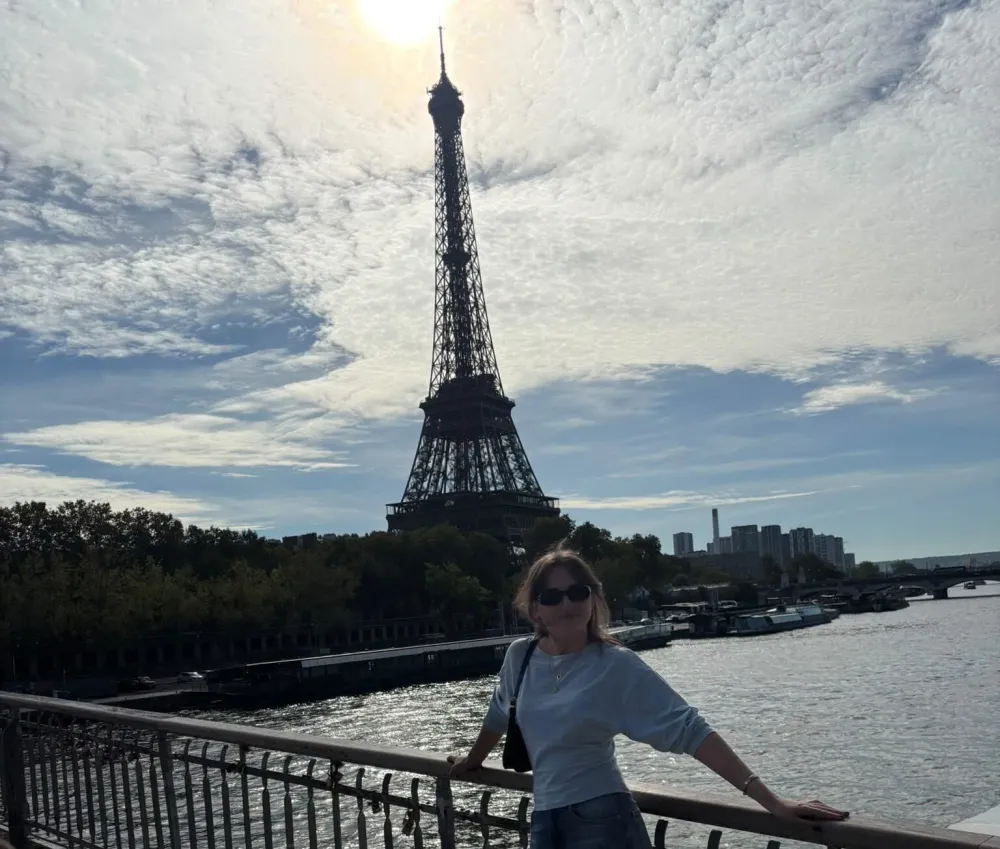
Cusack, 22, is studying English at Université Paris Cité. Speaking to Limerick Voice, she described an exchange experience far removed from what she had expected, with access to campus uncertain from one day to the next.
Her first encounter with the protests came in mid-September. After a demonstration near her university building, security staff closed the main entrances and escorted students out through a basement exit. For the remainder of that week, staff checked student IDs at every university building.
When university students joined the high school protests, blockades prevented Cusack from entering any of her university buildings. Lectures were canceled, with some later moving online. She said most lecturers supported the protesters and waited until the second week of blockades to offer online classes, which were optional. University-wide emails kept students and staff informed.
In-person teaching had still not resumed when she spoke, although some classes were available online, and midterms had been postponed. The university had hoped to reopen on Monday but could assess access only on a day-to-day basis.
"I can't imagine that blockades will lift before the protests are over, or until some action has been taken or agreements made," Cusack said.
From a staffing dispute to a wider movement
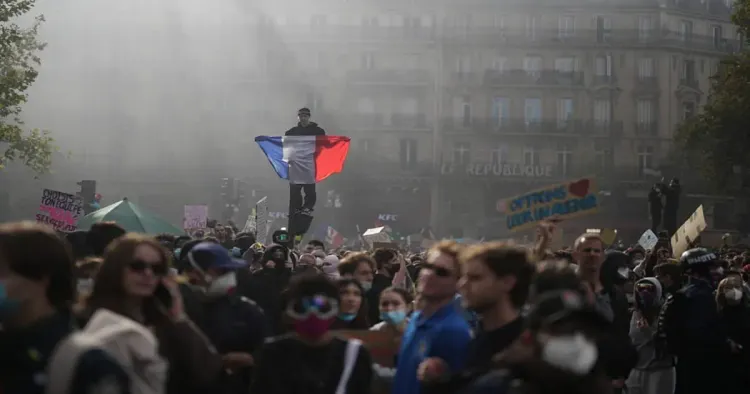
The protests began on September 17 at Antoine de Saint-Exupéry High School in the Paris suburbs, where teachers, students and parents rallied over a staffing shortage. Other high schools joined the marches, followed by universities, as the movement expanded to include rising living costs, broader economic concerns and social dissatisfaction.
In cities including Lyon and Marseille, students barricaded schools and demonstrated against teacher shortages, crowded classrooms and deteriorating school buildings. An Elabe poll for BFMTV found that 55 percent of French people supported the high school students' mobilization, while 72 percent regarded their demands as legitimate.
Blockades continued after students returned from a two-week autumn break, though authorities and student unions gave sharply different accounts of their scale. According to AFP, in a report carried by CP24, officials counted 42 blocked high schools on November 2, compared with the unions' figure of 169. Officials also said about 15 percent of higher-education institutions were affected that day.
On November 3, authorities reported blockades at 48 of France's 3,700 high schools; the USL student union put the number at 500. Officials said disruption also affected 51 of the country's 184 higher-education institutions.
AFP reported that the French movement had inspired students in Italy and Spain, where "blocus," the French word for blockade, had become a hashtag.
Government proposals fall short of student demands
In the week of October 26, the government announced measures intended to address students' demands. RFI reported that the package called for gradually replacing the Parcoursup university admissions platform by 2028 and limiting classes in seconde, the second year of secondary school, to 28 pupils.
The announced measures also included reversing planned national education job cuts, creating 500 additional posts and providing 15,000 more places in higher education.
By early November, the student alliance comprising USL, Unef, Fage and Union étudiante was still seeking the outright abolition of Parcoursup and planned to participate in the November 5 action, according to RFI. Student leaders said the proposals were insufficient and demanded 10 billion euros in investment, AFP reported.
Unrest changes routes through Paris
October 17, designated a National Day of Protest by all union groups, marked an escalation into violence and attacks on shops and businesses across France. Social media videos showed widespread looting and storefront break-ins. Authorities responded to intensifying clashes with tighter security, strict curfews and mass arrests.
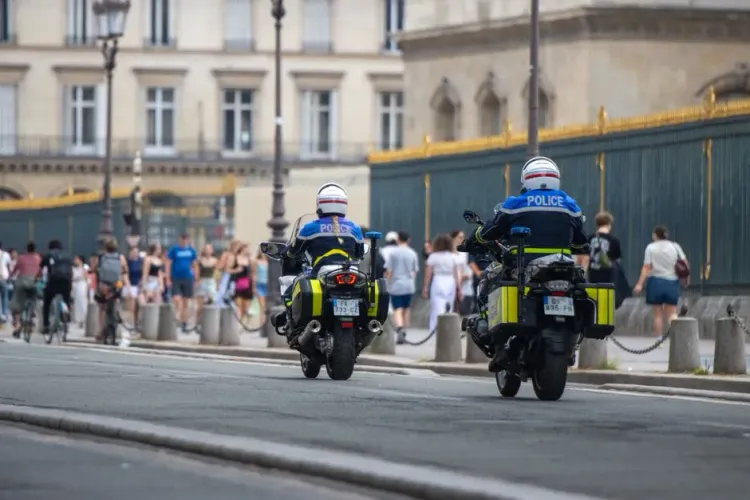
Cusack was in central Paris with friends that day but said they avoided the areas where most demonstrations and riots had taken place. "There was an increased police presence throughout the city and smoke filled some streets from small fires nearby," she said.
After the October 17 riots and looting, the Paris police prefecture stopped allowing marches through the center of the capital. RFI reported that it instead authorized routes along the city's outskirts for the October 24 and October 31 demonstrations.
Cusack stayed out of the city for the October 24 protest because she did not know its precise route. Many metro stations were closed, and some areas were under curfew. She also described curfews on October 31, when many metro and train stations remained shut for most of the day. Although turnout had declined since October 17, 320,000 people marched across France on October 31.
The scale of the police response became clearer on November 3, when Justice Minister Gérald Darmanin said nearly 5,000 people had been taken into police custody since the October 17 nationwide protests, including 1,474 minors. He said 329 people had been jailed and about 1,820 had appeared before the courts.
November 5 strike to reach several sectors
The next nationwide action is scheduled for Thursday, November 5, with high school and university blockades set to continue and the four representative rail unions joining the protests. Cusack said she expected a strike to affect much of the transport network.
The Local France reported that the intersyndicale alliance of CFDT, CGT, FO, Unsa and FSU called the strike and demonstrations. Disruption was expected across public transport, education, healthcare and public administration, with more than 100 events confirmed nationwide.
The education ministry said 17 percent of teachers had submitted notice of their intention to strike. SNCF forecast minor disruption to high-speed TGV services but greater disruption on Intercité and TER routes.
Further action was planned beyond November 5. According to The Local France, the Gilets Jaunes, or Yellow Vests, coordination group called for an "Act IV" of demonstrations, with strikes, protests and blockades scheduled for November 6 and 7.