Cooperation across rice-growing regions
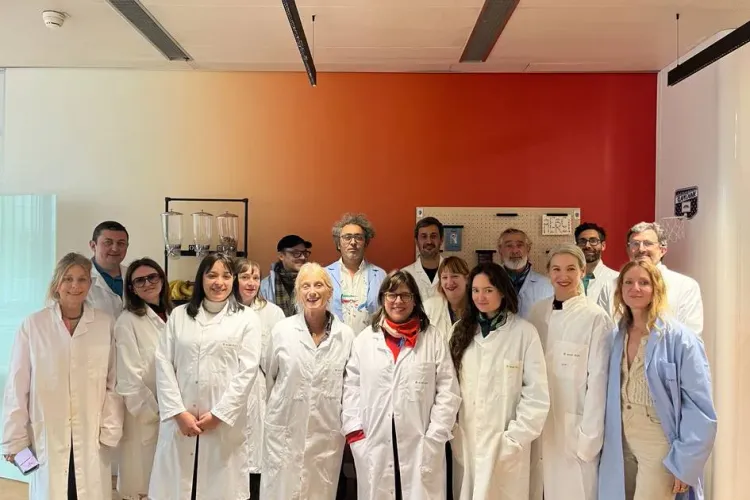
Adevag President Valentín Pozo Torres signed the agreement at Castello di Cozzo in Italy's Lomellina area. The signing formally launched the partners' joint work, according to an Adevag press release.
The other participating local action groups are Risorsa Lomellina in Lombardy, SINIS in Sardinia and Pays d'Arles in France's Provence-Alpes-Côte d'Azur region. Local broadcaster COPE Don Benito Villanueva reported that this is Adevag's first European cooperation initiative.
The proposed network would connect rice supply-chain participants across the partner territories, giving them stronger representation, supporting joint activities and facilitating discussions with European institutions. It would not replace existing organizations.
Adevag represents a 1,652.72-square-kilometer comarca, or district, comprising 17 municipalities: 16 in Badajoz province and Madrigalejo in Cáceres. Its registered office is in Valdivia, Badajoz. A regional profile from the rural-development network REDEX lists the comarca's population as 85,267, using 2006 data.
Rice fields and birdwatching
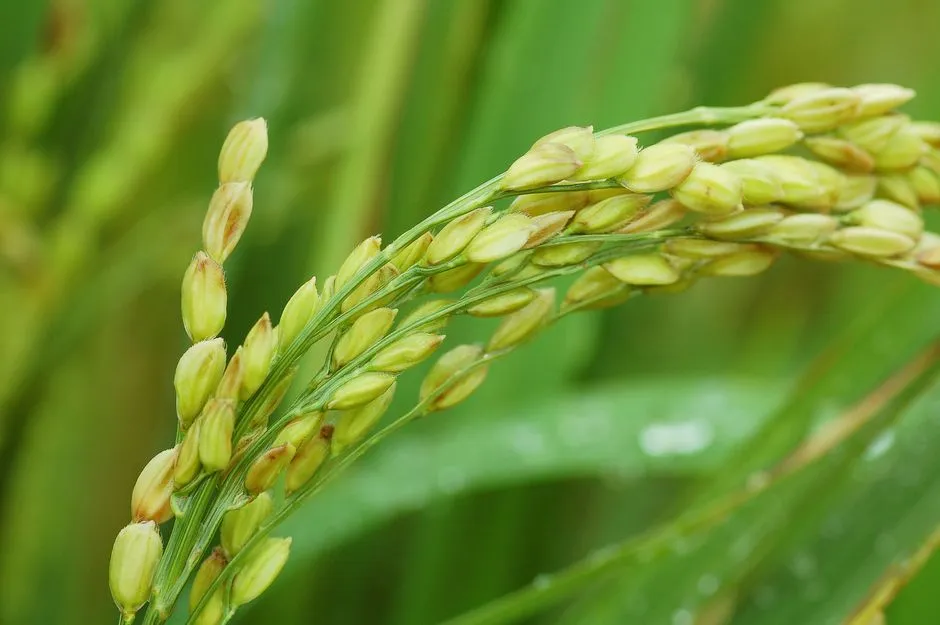
The partners also plan to promote rice-growing landscapes as human-made wetlands that provide habitat and refuge for many bird species. Adevag sees an opportunity to develop birdwatching tourism as a new market in the participating areas.
Las Vegas Altas del Guadiana already has a rice-field-related Special Protection Area for Birds, known by the Spanish abbreviation ZEPA. The REDEX profile lists Arrozales de Palazuelo y Guadalperales at 113.44 square kilometers and highlights the comarca's artificial wetlands as valuable places for birds to settle.
Lomellina, the Italian territory where the agreement was signed, also combines rice cultivation with wildlife habitat. A presentation by Risorsa Lomellina published through Rete Rurale Nazionale describes a predominantly agricultural area in the Po Valley, surrounded by the Sesia, Ticino and Po rivers. Rice production is a defining activity, and the territory has rich biodiversity, particularly birds and amphibians.
A distinct initiative at the EU level
The local action groups' project is separate from EURice, a permanent coordination group that the eight EU rice-producing countries agreed to establish in 2025. That agreement followed a ministerial meeting in Vercelli, in Italy's Piedmont region, on September 12-14, 2025. EURice is to have an annually rotating presidency; the meeting's outcome was reported to the EU Agriculture and Fisheries Council on November 17, 2025.
The EURice founding communiqué puts the EU's rice cultivation area at approximately 401,000 hectares and estimated production at 1.5 million metric tons. It also projects rice imports from non-EU countries at 1.5 million metric tons and estimates exports at just under 240,000 metric tons.