Unions press wage demands
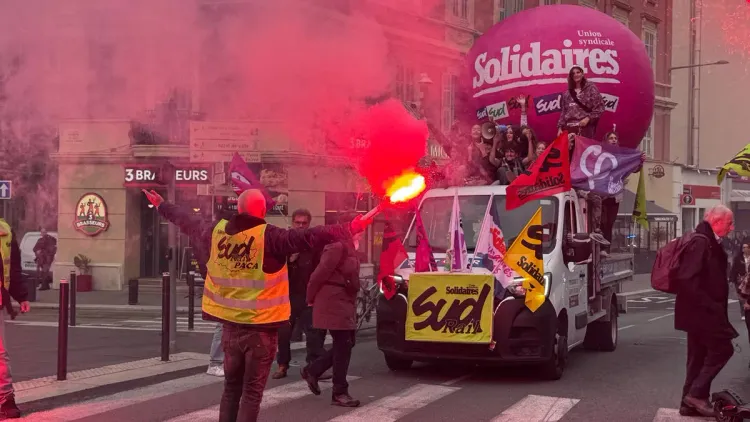
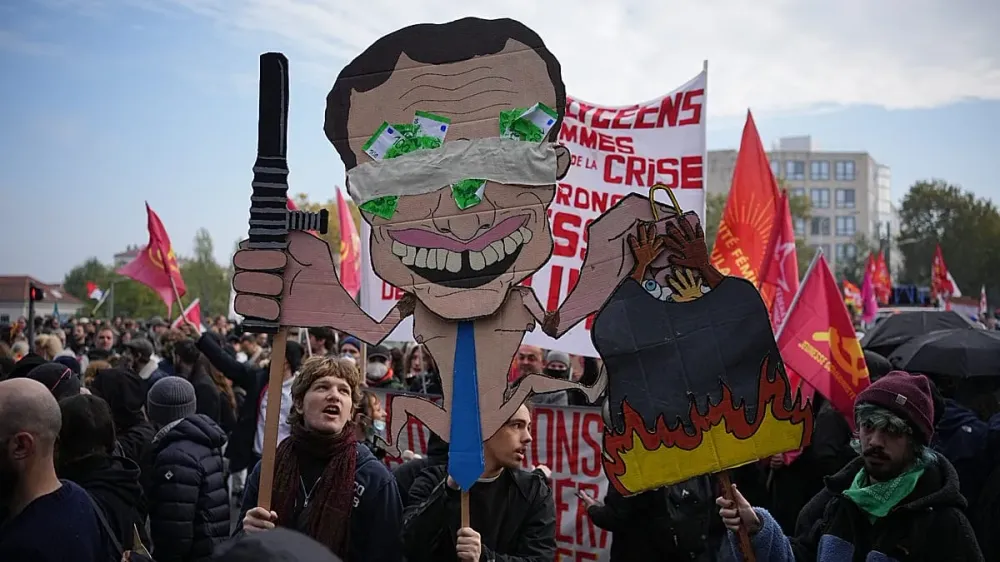
Major unions, including the CGT, CFDT and FO, called the day of action, with roughly 250 rallies scheduled and more than 1,100 strike notices filed. Authorities deployed about 70,000 police officers and gendarmes as hundreds of thousands of people were expected to demonstrate. Demands also included an increase in the minimum wage and protection of the right to protest.
France's hourly minimum wage, known as the Smic, was €12.31. It had received no discretionary government increase since 2012. The CFDT sought a net monthly increase of €100, while unions also called for wage increases across the board and tax reforms.
Clashes and route restrictions in Lyon and Paris
Authorities limited where protesters could march in Paris, Lyon and at least six other major cities. In Lyon, organizers put attendance at more than 25,000 despite restrictions covering much of the city center.
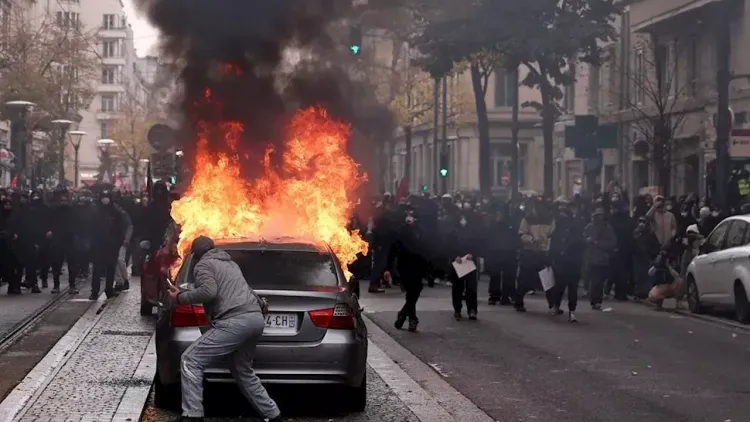
The Lyon march headed toward Place Jean-Macé along a route approved by a court. Early in the procession, police said about 500 demonstrators clashed with officers, throwing projectiles and setting fire to pallets. Police fired tear gas, pushing the march back after it had traveled only 600 meters. Six arrests were reported.
In Paris, the march was scheduled to leave République for Nation at 2 p.m., with authorities anticipating 40,000 to 80,000 participants. Unions accepted that route after a court backed the police prefecture's rejection of their proposed march from Bastille to Concorde.
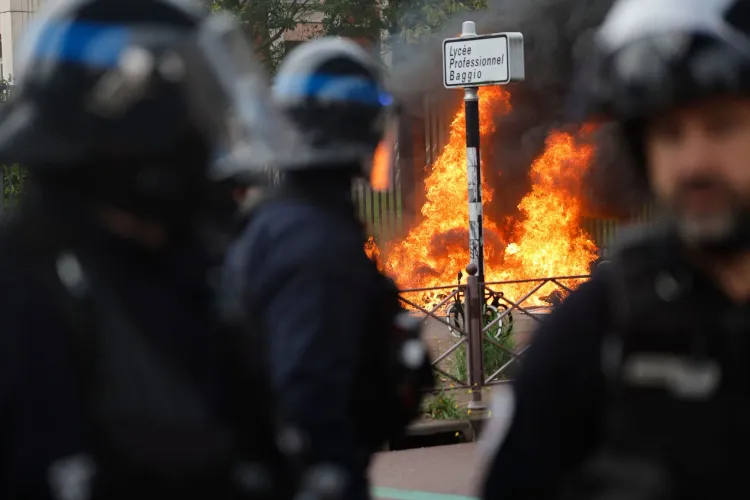
Students at Lycée Hélène Boucher in eastern Paris blocked the entrance with wheeled trash bins. Police told them to disperse and cleared the barriers as students continued chanting. During a brief scuffle, officers were seen taking one student aside and searching several others nearby.
Transport, schools and energy disrupted
Lyon's entire metro system, comprising four lines, and both funiculars closed, while other public transportation services faced severe disruption. In Paris, security measures and transport disruptions closed 25 metro stations and led to bus and tram diversions. About 80 schools in the capital were also shut.
Separately, the French education ministry reported that 81 lycées, high schools serving students ages 15 to 18, were closed on Thursday morning. Strikes affected about 17.5% of primary schools.
Workers were asked to stop production at oil refineries as part of the strike. BBC News also reported that disruption at nuclear plants was expected to leave France importing more electricity than it produced that day.
A movement that began in schools
The protest wave began in September 2026, when high school students raised complaints about inadequate educational resources and poor learning conditions. Workers and the yellow-vest movement, also known as the gilets jaunes, subsequently joined.
Violence erupted in towns and cities on October 17, with more than 2,000 stores looted and historic buildings burned. AFP described it as France's worst rioting in years.
The French demonstrations followed similar youth-led protests in Denmark, Germany and Italy in the preceding weeks. At home, the November 5 mobilization came about six months before elections to choose President Emmanuel Macron's successor, with the far right ahead in opinion polls, according to AFP.
Government measures and further protests
Seeking to ease anger over rising prices and lower fuel costs, the government released 10 million barrels of diesel from strategic reserves. Ministers also pledged to overhaul the unpopular Parcoursup university admissions platform and ultimately replace it by 2028.
The revived yellow-vest movement, which took part in Thursday's mobilization, called for more blockades and demonstrations on Friday and Saturday.