Crowds protest economic pressures
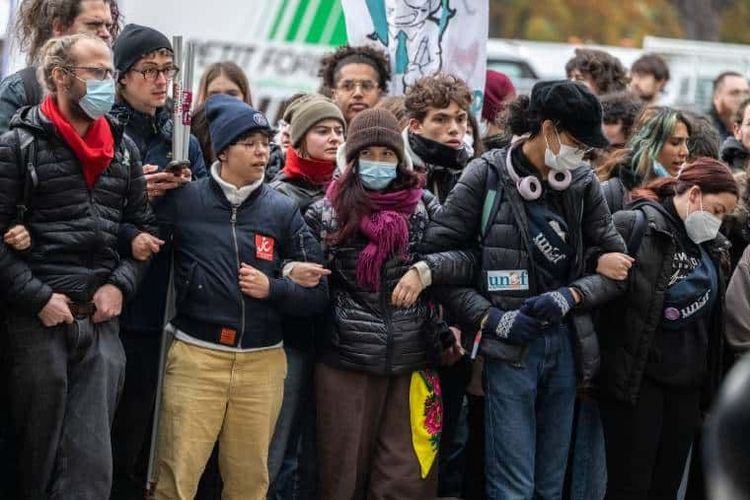
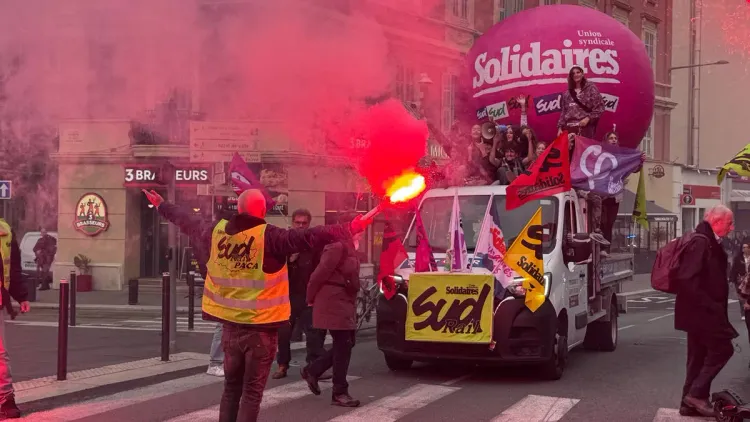
Students, trade unions and activists joined the demonstrations amid anger over economic pressures, inequality and other domestic issues. The Local France reported that rising living costs were a focus of the protests.
Youth organizations and student unions estimated that nearly half a million people participated nationwide, with about 200,000 in Paris. The interior ministry's count was substantially lower: about 320,000 across France, including 70,000 in the capital.
The ministry's nationwide total also fell below its counts for the two preceding Saturdays: 410,000 on October 24 and 550,000 on October 17, when riots broke out.
Paris route restrictions and police injuries
Before the Paris march, France's highest administrative court upheld a ban on its planned route. Demonstrators instead followed a route along the capital's eastern outskirts, from Porte de Bagnolet toward Porte de Charenton, largely staying away from the city center.
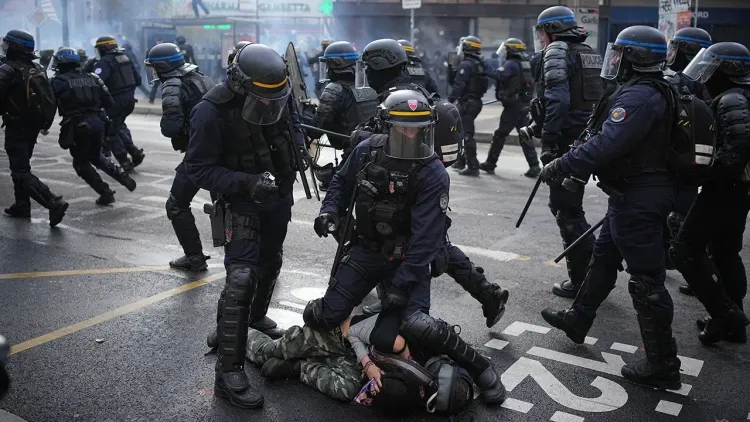
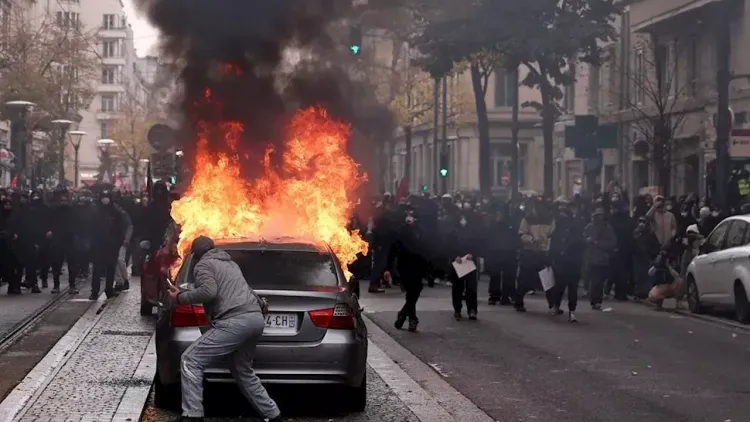
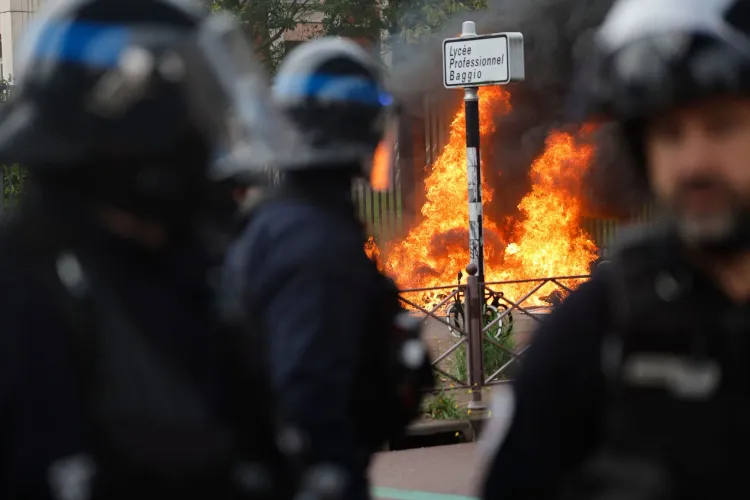
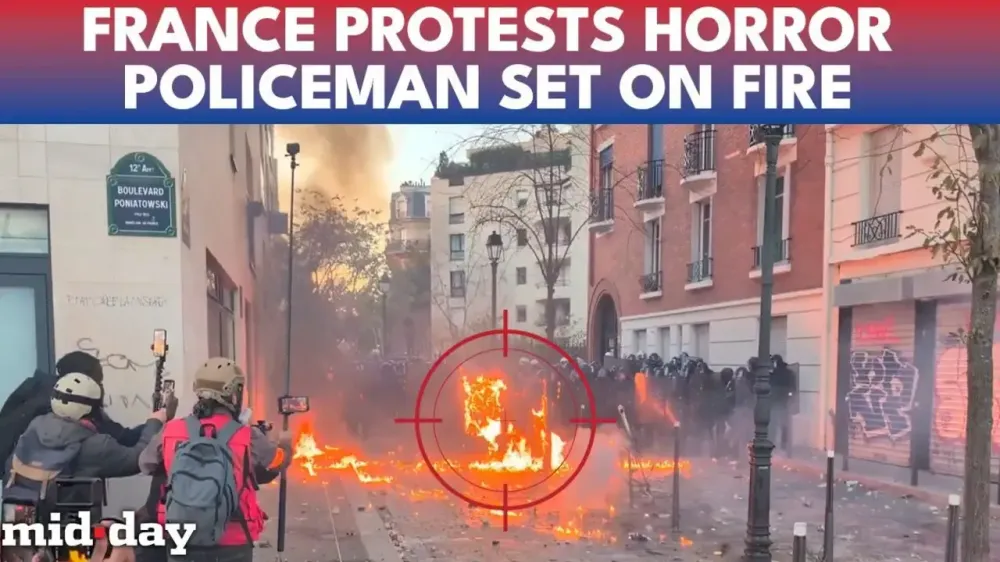
About 70,000 police officers and gendarmes were mobilized nationwide. In Paris, the interior ministry reported injuries to four police officers and one gendarme; three of the five suffered burns from Molotov cocktails.
Interior Minister Laurent Nunez said a riot police officer targeted with a Molotov cocktail in Paris sustained minor injuries. He called the attack "attempted murder" and attributed attacks on security forces to far-left extremist groups.
A curfew was imposed in the central Paris neighborhoods of Republique and Chatelet-Les Halles, running from 11 p.m. to 6 a.m. on Saturday and Sunday.
Confrontations in other cities
Police in Lyon fired tear gas after people threw projectiles at them. In Toulouse, officers used water cannons at an unauthorized demonstration.
The interior ministry also reported attempts by what it called "radical elements" to reach the centers of Bordeaux, Toulouse and Marseille, saying their aim was vandalism and looting.
Election pressures and further protests
Jean-Luc Melenchon attended the Paris march and praised the turnout. He leads the far-left France Unbowed (LFI) party and is its candidate in the 2027 presidential election.
The Local France placed the demonstrations against a tense political backdrop, with the presidential election less than six months away and far-right leader Marine Le Pen leading opinion polls. It described France, the eurozone's second-largest economy, as close to recession and facing pressure to curb its debt, leaving the government little room to address protesters' demands with additional spending.
Two French student unions called for high school and university blockades on the following Tuesday and Thursday. The blockades were to join a nationwide demonstration and strike called by unions for November 5, 2026.