Threats against settlers and property buyers
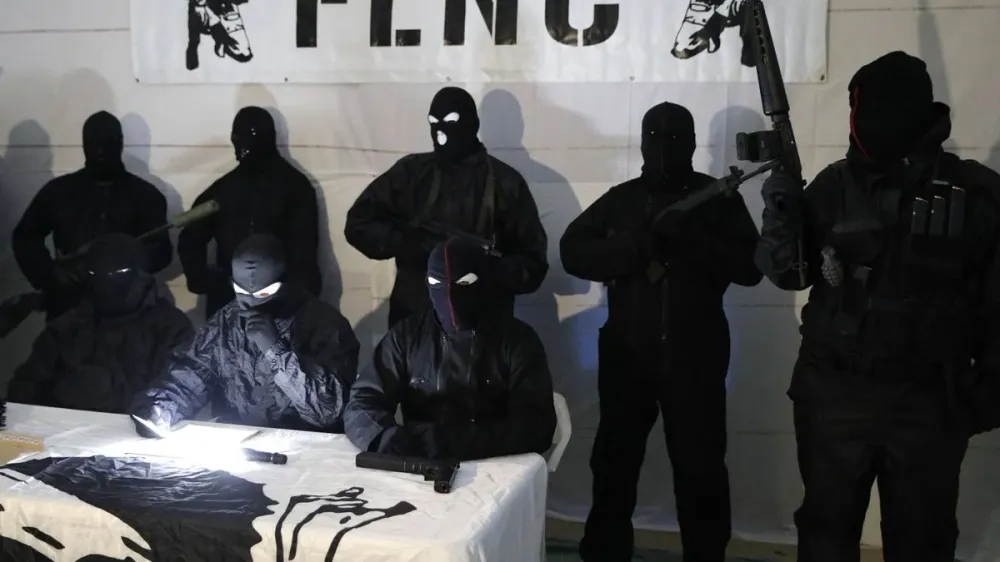
The video showed about a dozen masked members of the Corsican National Liberation Front-Union of Combatants (FLNC-UC), with machine guns visible. The group seeks independence from France and directed its warning at people moving to Corsica or purchasing holiday homes there.
A speaker believed to be its leader said in August: "Until our national rights are recognised and respected, we have only one message for them: stay at home." The Express reported that the group also warned second-home buyers they "shouldn't feel safe" and described the influx of newcomers as "rampant settlement-driven colonisation".
The FLNC-UC claims that nearly 5,000 people arrive from mainland France each year to work or buy property. Corse-Matin has separately reported a sharp increase in second-home ownership on the island.
France's National Anti-Terrorist Prosecutor's Office (PNAT) opened a preliminary investigation on August 6, 2026, into suspected criminal conspiracy to commit terrorist acts. Investigators are also examining the acquisition, possession and transport of category A and B weapons, ammunition or weapon components linked to a terrorist enterprise.
Alongside its threats, the FLNC-UC said it remained committed to what it called "unilateral peace efforts" and would support initiatives capable of delivering a genuine political resolution.
Senate rejects greater autonomy
The group also used the video to reject the proposed autonomy agreement as a "farce," arguing that it failed to recognize the Corsican people and their longstanding demands. The proposal would have recognized Corsica's distinct historical, linguistic and cultural identity and expanded the powers of its local assembly, while keeping the island within the French Republic.
The National Assembly approved the constitutional bill on June 23, 2026. But during the night of October 26-27, the Senate voted it down, with 181 opposed and 134 in favor.
According to Anadolu Agency, the Senate's right-wing majority substantially altered the Assembly's text before rejecting it. Senators removed a reference to an "island community" and reduced the scope of the exceptional powers proposed for Corsica.
The reform would have allowed Corsica to adapt some French laws and make rules of its own in fields including housing, urban planning and waste management. Justice, policing, defense and currency would have remained the responsibility of the French state.
Approval by both chambers would not have completed the process. The measure would still have required support from three-fifths of lawmakers assembled in Congress at Versailles, followed by consultation with Corsican voters.
After the Senate vote, the autonomist Femu a Corsica party announced its withdrawal from the Beauvau process, the negotiations over the island's status. The Corsican Nation Party (PNC) also withdrew its support, accusing senators of "contempt."
The negotiations and the separatist movement
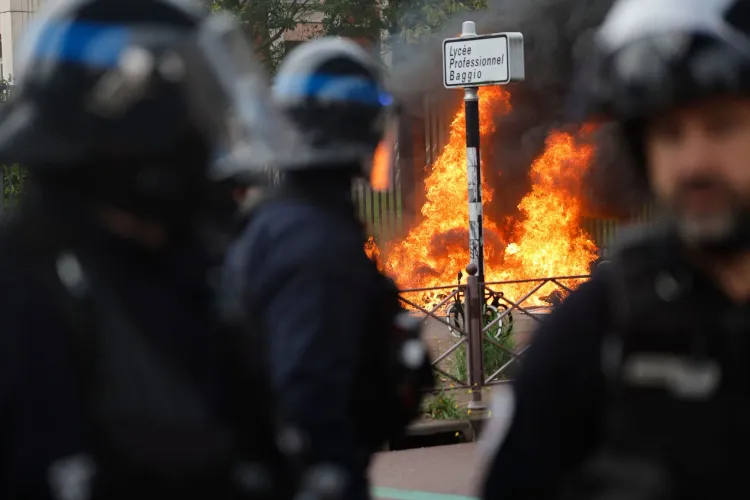
The Beauvau process began in 2022 under then-Interior Minister Gérald Darmanin at President Emmanuel Macron's request. It followed the crisis that March, when another prisoner fatally attacked Corsican nationalist Yvan Colonna in a jail in Arles. The attack set off days of unrest on Corsica.
The FLNC's history dates to 1976, when it claimed 18 attacks in a series of island bombings known as a "blue night." A ceasefire agreement with the French government in 1988 brought internal divisions rather than unity. Several factions subsequently joined together in 1999 to form the FLNC-UC, now described as Corsica's largest separatist group, though others remain active.
In 2023, a wave of violence linked to the FLNC involved 45 explosions. Holiday homes were among the principal targets, along with an unused tax office in Ajaccio. The attacks caused no deaths.