France in flames, Germany in decline, Europe in denial – GIS Reports
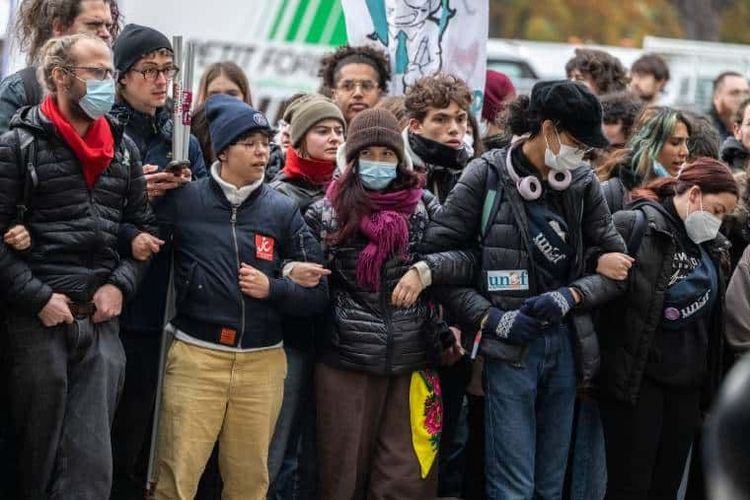
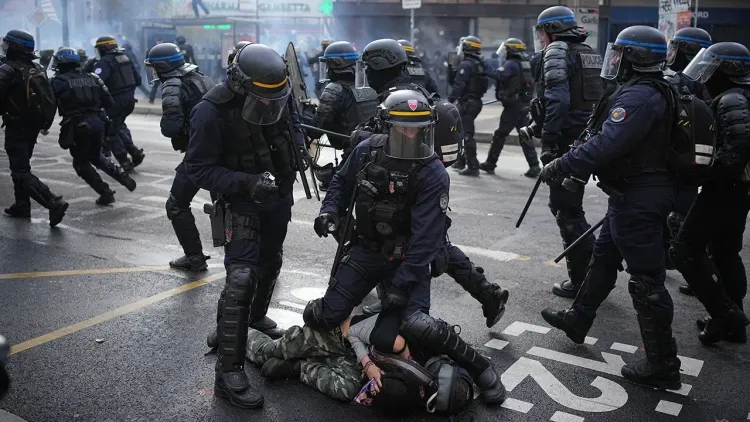
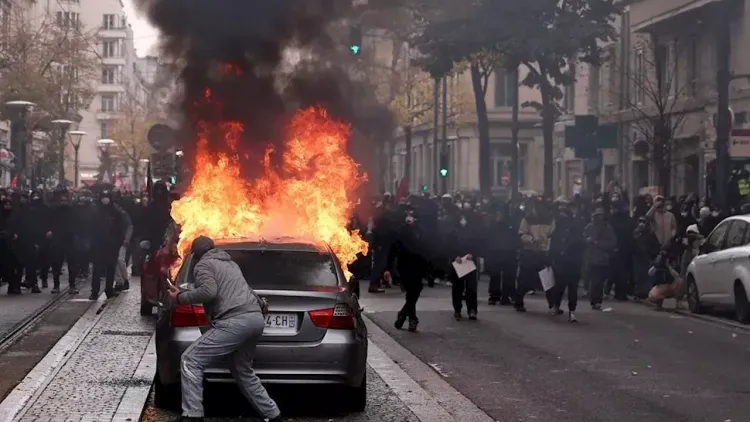
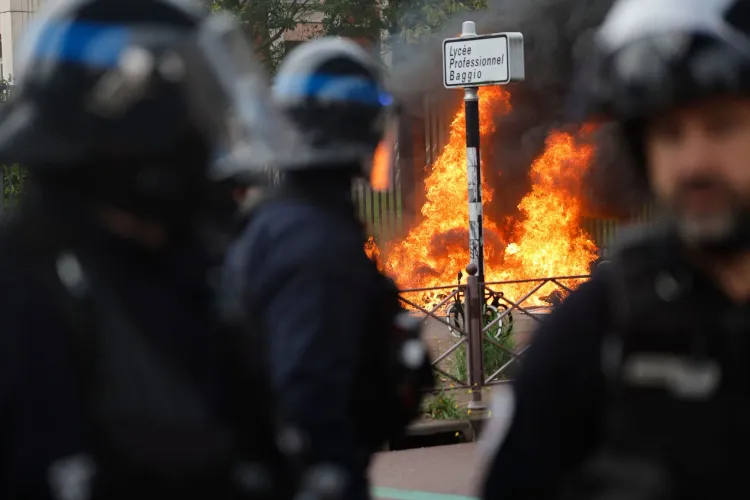
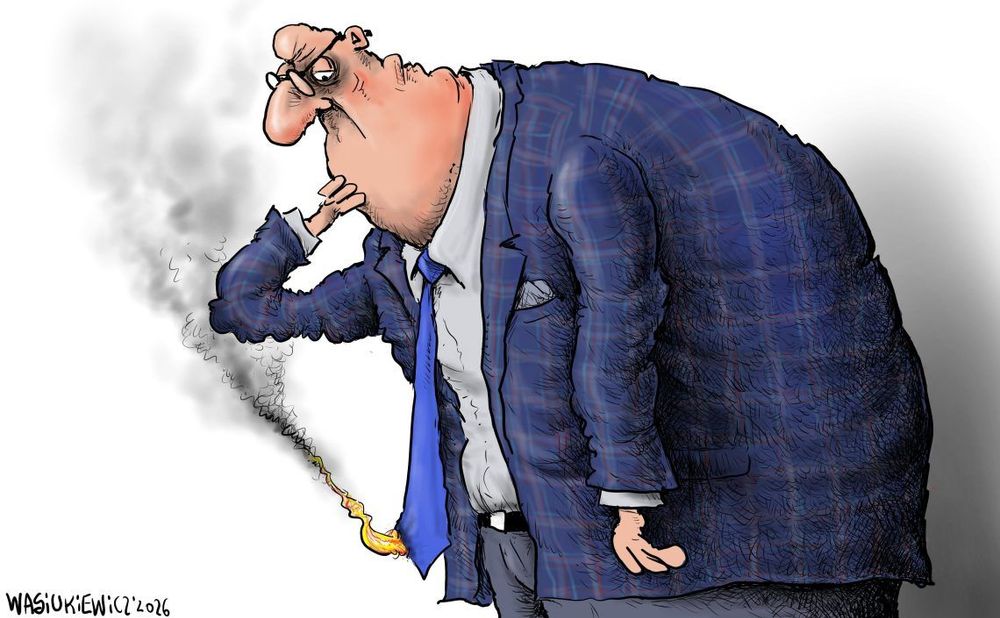
Student protests that began in September 2026 over deteriorating school conditions have escalated into violent riots across France, leaving the government seemingly powerless to respond. On October 17, approximately 2,400 people were arrested and nearly 1,000 police officers injured as demonstrations erupted in cities nationwide. The 143-year-old Limoges town hall was destroyed by arson, while Marseille's city hall was stormed and shops looted.
The unrest reflects deeper frustrations with sharply rising living costs, migration challenges and failed integration. France's public debt reached €3.54 trillion in the first quarter of 2026, representing 117.6% of GDP—the third-highest ratio in the European Union after Greece and Italy. Public spending accounts for around 57% of GDP, 7.4 percentage points above the euro-area average, while the tax-to-GDP ratio of almost 44% ranks among the highest in the OECD.
The burden of servicing this debt continues to grow. Interest payments increased from 1.2% of GDP in 2000 to 2.2% in 2025 and could approach 5% of GDP by 2050. Refinancing has become increasingly expensive as confidence in capital markets wanes, severely limiting the government's ability to address public grievances. President Macron's response—a speech full of pathos—has done little to calm tensions, and the riots have begun spilling into Belgium and Italy.
Germany's deficit crisis
Germany, Europe's largest economy, faces its own fiscal reckoning. Finance Minister Lars Klingbeil appeared optimistic at the G20 summit in Bangkok, announcing that the German economy is growing. However, this growth is largely driven by increased government spending financed by debt, not by the promised defense investments.
Germany's public budget deficit reached €98.8 billion in the first half of 2026, €40.3 billion higher than the same period in 2025. Federal government expenditure rose by 9.8% while revenue fell by 5%. Interest payments on government debt surged by 21.2% year-on-year to €31.2 billion, reflecting the impact of rising borrowing costs.
Chancellor Friedrich Merz, who won the last election promising to keep debt and spending under control, broke that pledge. His government approved a 2026 budget with €98 billion in net new federal borrowing, abandoning traditional fiscal prudence. The public feels their purchasing power declining and worries about immigration and security mount.
Karsten Wildberger, the minister for digital transformation and government modernization, has added to concerns by proposing to tax artificial intelligence itself to compensate for potential job losses and reduced tax revenue. The suggestion that AI should be taxed to fund social programs represents a troubling approach to economic policy that risks undermining innovation and competitiveness.
Monetary policy struggles
The European Central Bank raised its deposit facility rate to 2.50% in September 2026, marking a reversal from previous rate cuts as inflation pressures returned. Energy costs remain elevated amid Middle East conflict, with energy inflation hitting 14.3% in August while overall inflation reached 3.3%. Yet even these interest rate increases do little to curb inflation when excessive government spending continues unabated across the continent.
Similar patterns of fiscal distress and declining public confidence can be observed in Austria, Belgium and the Netherlands. Traditional parties are becoming increasingly marginal as voters lose faith in their ability to deliver prosperity and security.
A crisis of legitimacy
Europe's political class has lost touch with the public and remains trapped in outdated thinking. Politicians speak of defending democracy, but what they actually defend is their own conception of it—against the people themselves. The role of the state is to safeguard the security and prosperity of citizens, and on both counts, Europe's leaders have failed.
France faces elections early next year, with nationalist tendencies on one side and extremism on the other. Germany's federal government has suffered a drastic loss of public confidence. The situation recalls the French monarchy before the revolution: a ruling class completely disconnected from reality, convinced only they know what is right, while prosperity and security decline around them.
There are, however, some grounds for optimism. Central European countries are gaining influence and could strengthen their position in Brussels if they work closely together. Civil disobedience—unlike the radical violence seen in France—offers an effective means of holding politicians accountable. Democracy can function only when people are courageous and willing to defend their freedom against the state. Without that courage, it becomes just another form of authoritarianism.