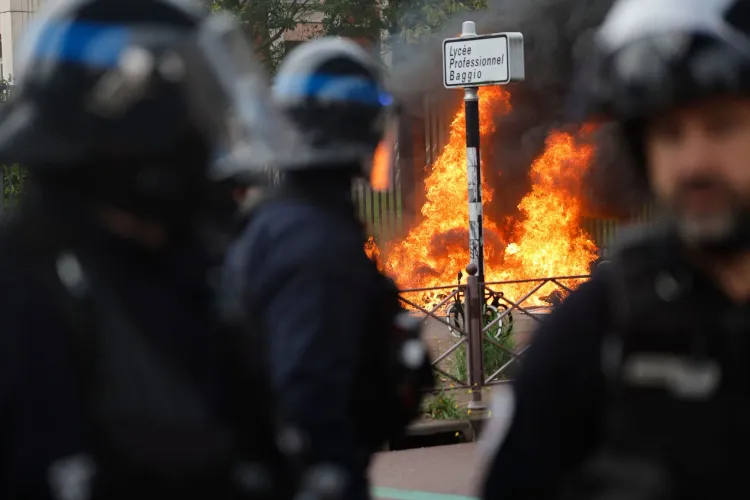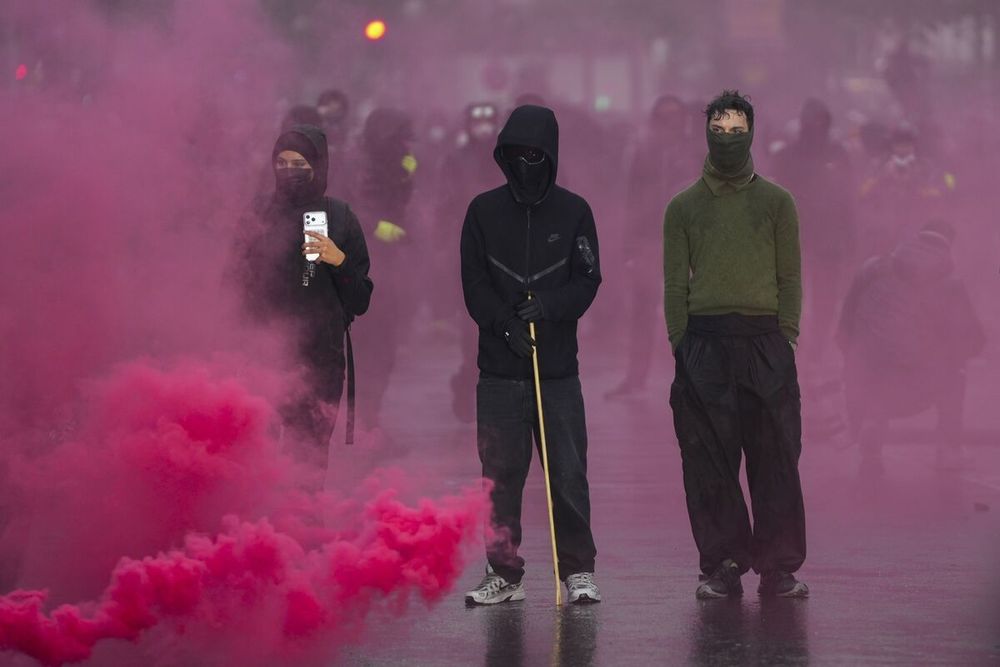
Large turnout and nearly 1,000 arrests
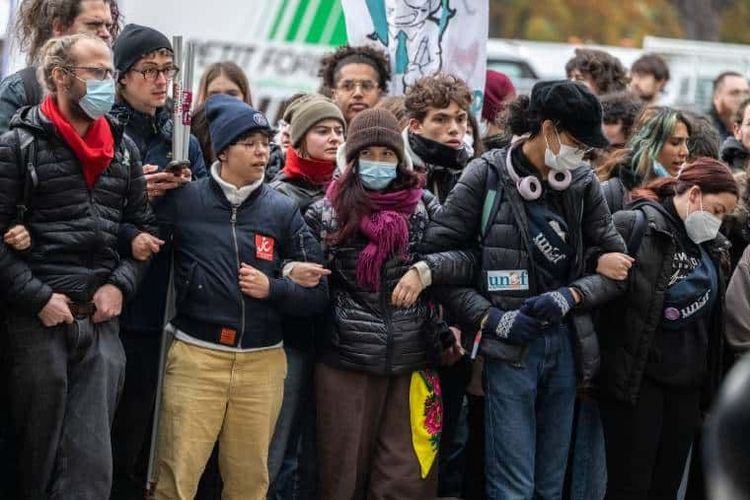
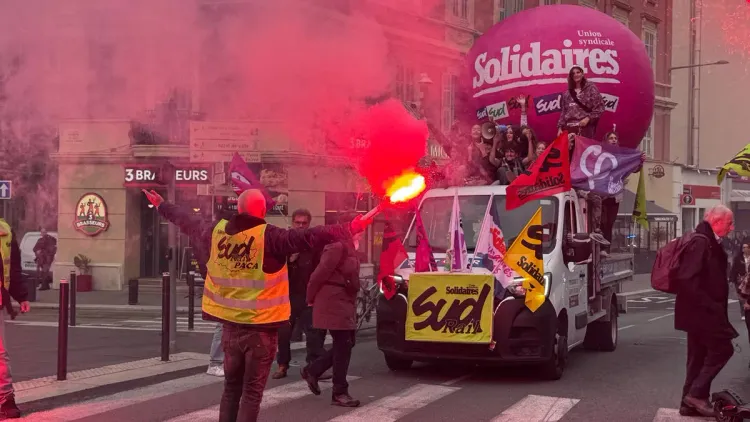
The Interior Ministry estimated that about 110,000 people joined Saturday's largely peaceful march on the outskirts of Paris, with another 300,000 demonstrating elsewhere in France. The CGT union gave a nationwide turnout estimate of 800,000.
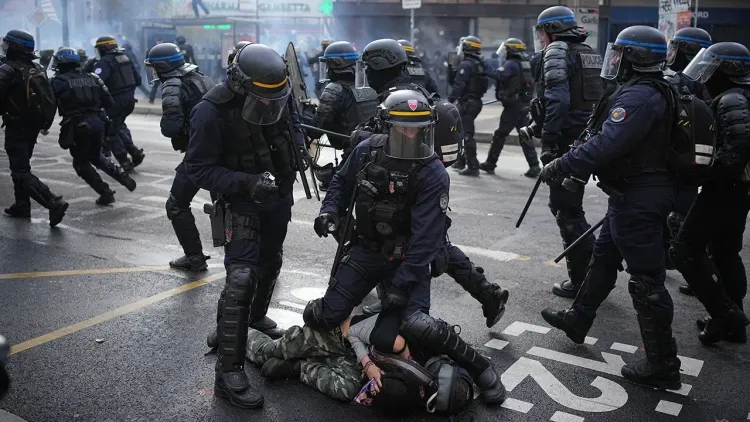
Interior Minister Laurent Nunez said police made nearly 1,000 arrests across the country on October 24, 2026. That count was expected to increase as authorities compiled the totals.
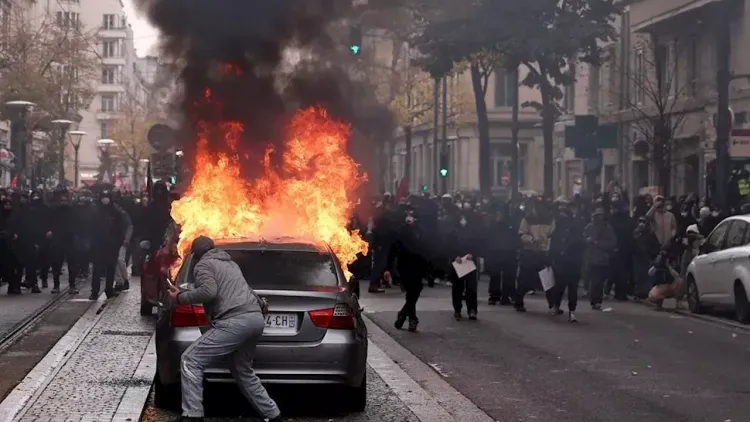
The previous Saturday, October 17, unrest had left thousands of businesses damaged or ransacked across France. Official figures recorded more than 2,000 people taken into police custody that weekend.
More officers and tighter restrictions
Nunez said the October 24 operation involved more than 70,000 police officers and gendarmes nationwide, an increase of about 20 percent from the previous weekend. The elite RAID unit supported police operations but was not assigned to direct crowd control, according to Al Jazeera.
Paris authorities limited the march to the city's southeastern edge, along the Boulevards des Maréchaux between Porte d'Italie and Porte de Vincennes. They prohibited the previously negotiated route through central Paris from Place de la Bastille to Place de la Nation. Lyon, Nice and Montpellier were among the other cities where rallies were banned.
The restrictions also affected transportation and cultural venues. Police requested the closure of at least 24 Paris metro stations, while the Louvre and the Musée d'Orsay were among the institutions that closed for the day. Art Basel Paris canceled its weekend program.
Student demands remain unresolved
The movement started with high school blockades in mid-September 2026. Students protested deteriorating school conditions, including rundown buildings and teacher shortages, and challenged what they regarded as unfair access to higher education. The protests subsequently drew in broader grievances about living costs and inequality.
Student groups have set out a joint 10-point plan seeking 250,000 additional higher-education places and an end to selection through Parcoursup, the university admissions system. Their demands also include hiring more teachers, repairing schools and universities, increasing monthly student grants by 200 euros ($224), and freezing rents in public student housing, according to PBS NewsHour's Associated Press report.
President Emmanuel Macron held his first meeting with representatives of the movement on Friday, October 23. He pledged additional teachers and a substantial overhaul of Parcoursup, but the talks did not ease tensions. Student representatives urged continued protests until the government announces concrete measures.
Another march planned as election approaches
The protests come about six months before France's presidential election. Macron cannot seek a third consecutive term under the constitution and will leave office in 2027. Recent polls place far-right leader Marine Le Pen well ahead of other contenders.
The movement has announced another protest for Saturday, October 31.