A clash over images and statistics
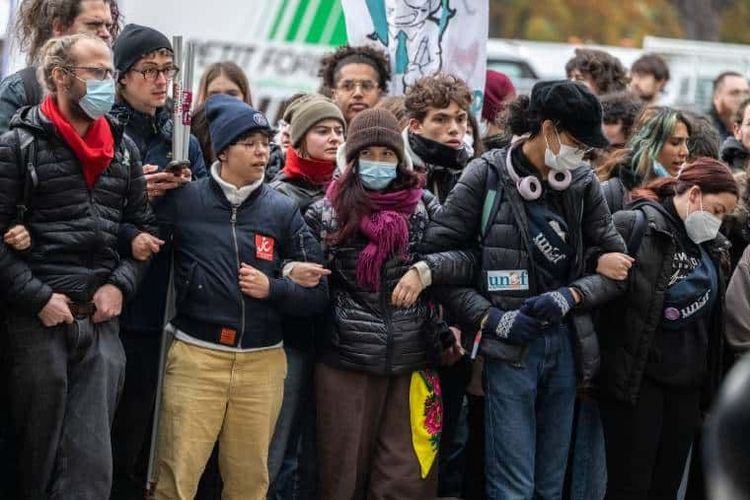
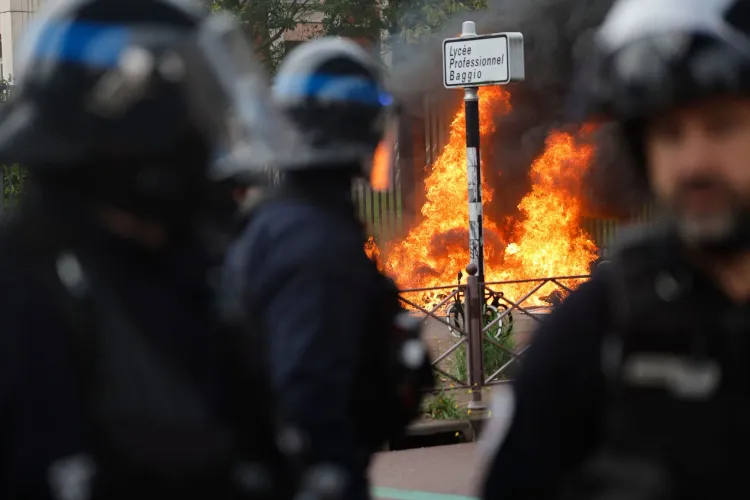
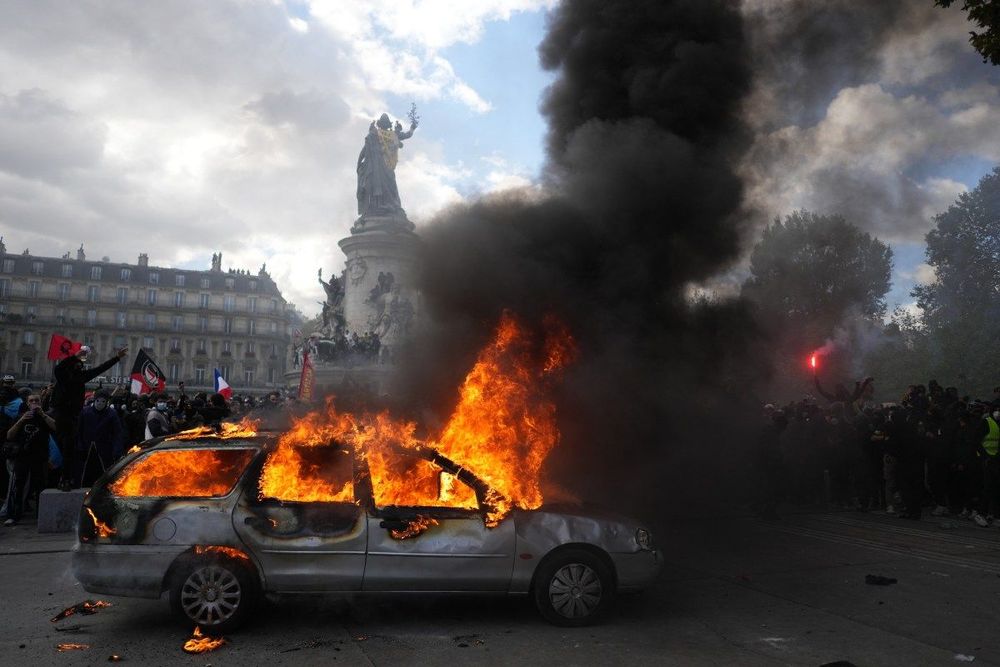
ICE posted a photograph of protesters on X under the caption "France has fallen." The agency added: "Every day we are fighting to prevent American streets from looking like this." French Response paired its gun crime graphic with a reply echoing that wording: "Every day we are fighting to prevent French stats from looking like this."
The posts followed President Donald Trump's claims blaming unrest in France on migrants. The protests, which have spread across the country since September 28, concern school conditions and the cost of living.
Separately, a 2022 Frenchly analysis drawing on GunPolicy.org data estimated firearm homicide rates at about 0.15 per 100,000 people in France and about 4.5 per 100,000 in the United States. That put the U.S. rate roughly 30 times higher.
The analysis included a qualification: France does not officially distinguish firearm homicides from other homicides. It also reported that guns account for about 80% of U.S. homicides, compared with roughly a quarter to a third in France.
The ministry account behind the reply
France's Ministry of Foreign Affairs created French Response last September to challenge disinformation through humor, memes and satirical posts.
Its first intervention disputed a claim by U.S. Secretary of State Marco Rubio about the timing of a breakdown in hostage negotiations, according to Euronews. Rubio had said Hamas withdrew immediately after France announced plans to recognize a Palestinian state. The account responded with a timeline placing Israeli officials' reports of the talks' collapse before President Emmanuel Macron's announcement.
Euronews reported that French Response had more than 180,000 followers as of February 2026. At that time, the foreign ministry put its weekly reach at approximately 15 million impressions.
From school protests to nationwide unrest
The student movement that preceded the broader demonstrations started in mid-September 2026 at Lycée Saint-Exupéry in Créteil, a Paris suburb, according to TheJournal.ie. Teachers protested staffing shortages, and students began blockading the school the next day. Over the next two weeks, the movement reached hundreds of secondary schools and dozens of universities, with parents, teachers and trade unions joining in support.
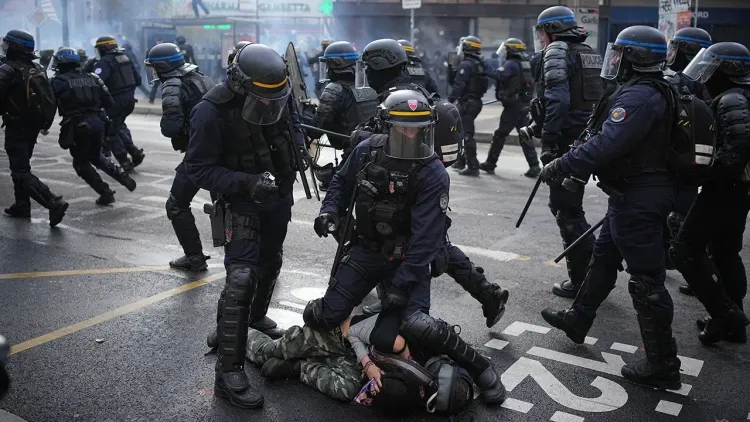
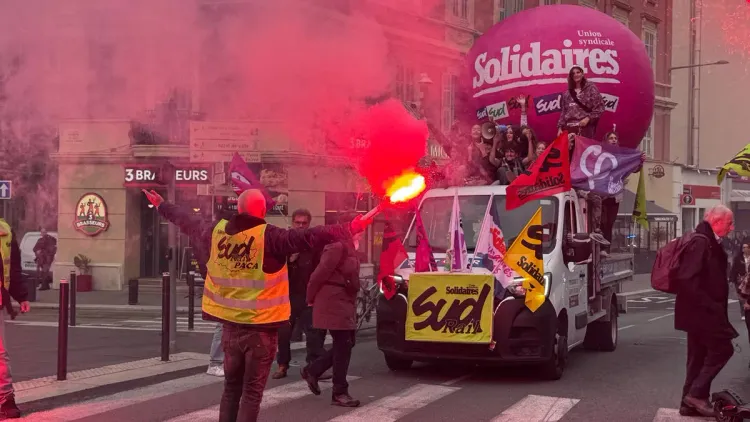
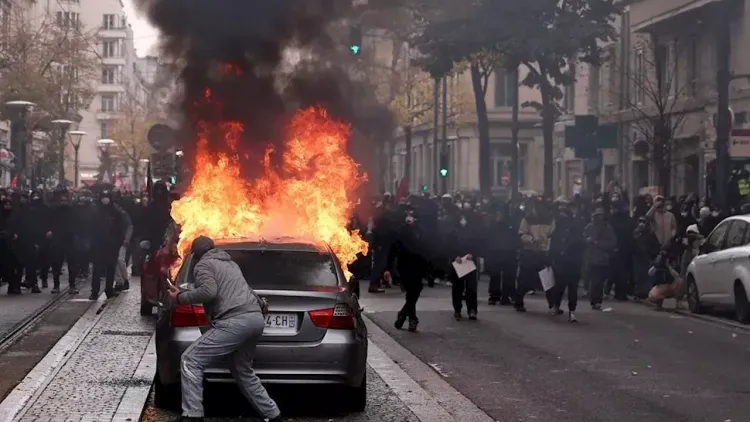
The wider protests have involved violent confrontations between police and demonstrators, as well as rioting, fires and looting. For the nationwide demonstrations on October 17, 2026, the interior ministry estimated attendance at 550,000, including 110,000 in Paris. The CGT union's national estimate was higher, at 800,000.
By Sunday, authorities reported roughly 2,400 arrests. The interior ministry also reported about 1,000 injured officers.
During the October 17 unrest, fire devastated Limoges' 19th-century town hall. The Retail and Trade Federation estimated damage to about 1,500 businesses nationwide. Reports of attacks on shops and public buildings came from Marseille, Lyon, Avignon and Grenoble; Bordeaux, Nice and Strasbourg reported looting.
Government response and another protest date
Following the October 17 rioting, Macron declined Interior Minister Laurent Nuñez's offer to resign. He directed Nuñez to tackle barricades and looting and account for failures in intelligence and planning.
Nuñez acknowledged that the 60,000 police and other security personnel deployed that Saturday had been insufficient to control violent crowds in some cities.
The CGT has called for another nationwide day of strikes and demonstrations on November 5, 2026.