Large turnout and disruptions in Paris
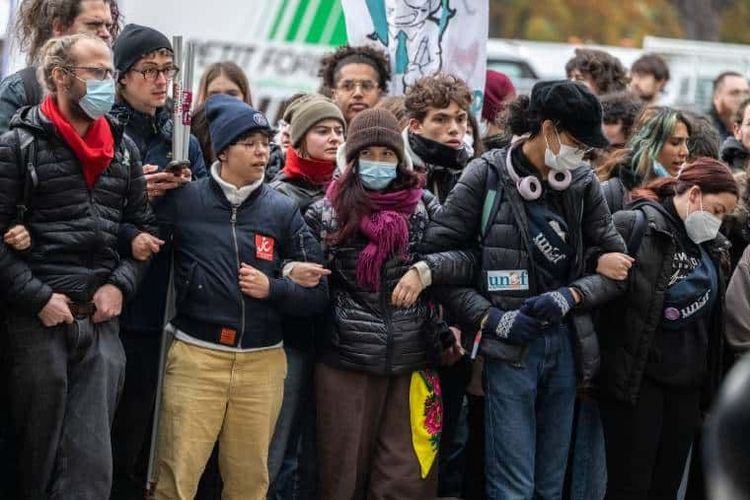
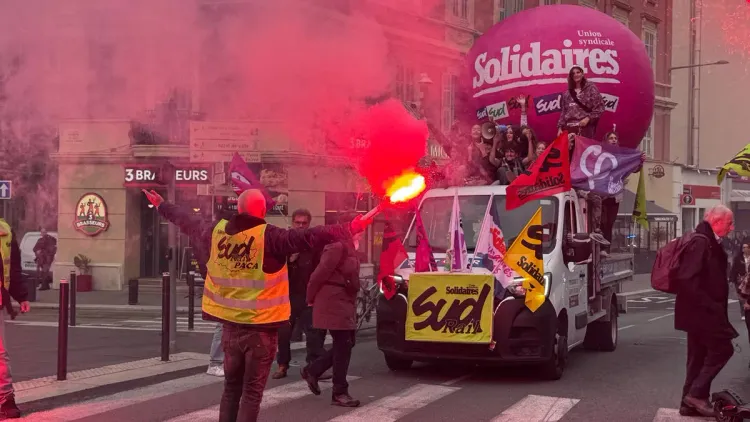
The Interior Ministry put participation in Saturday's protests at roughly 410,000 nationwide. Trade unions disputed that estimate, saying turnout was considerably higher. Demonstrators gathered in Paris, Marseille and other cities, where authorities limited marches and reinforced security at vulnerable sites.
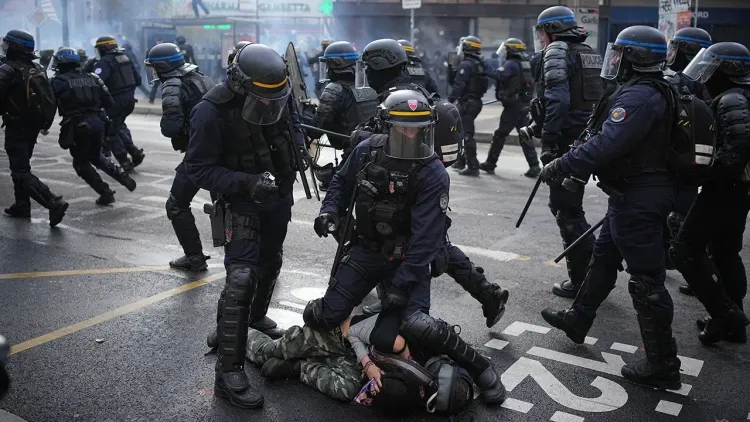
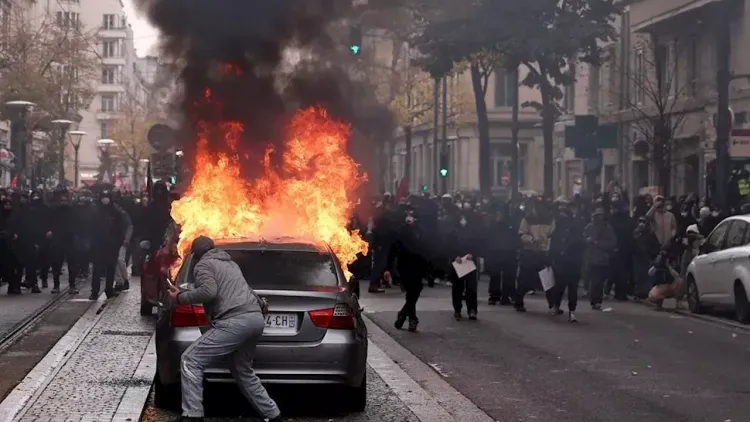
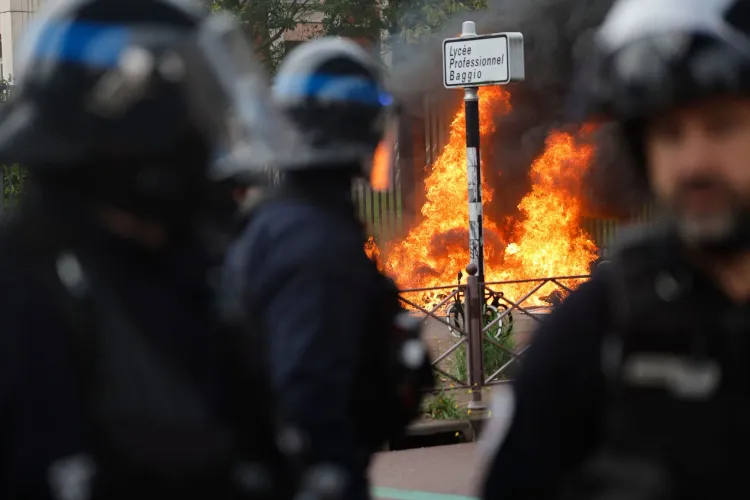
Paris saw temporary closures at major cultural attractions and more than 20 metro stations, while shops boarded up their windows. Demonstrations were largely peaceful at first, but clashes followed, with police using tear gas and water cannons against violent groups.
The movement started in September with high school students in the southeast of Paris protesting school conditions and staff shortages, according to CBS News. It subsequently spread across France, drawing in people frustrated by living expenses, fuel prices and pressure on public services.
Arrests follow a week of warnings
Interior Minister Laurent Nuñez warned that authorities would act firmly against violence, looting and calls on social media for further disorder. He later reported nearly 1,000 arrests during the October 24 protests and said he expected that number to rise significantly.
Nuñez said looting was on a much smaller scale than the previous weekend, according to CBS News and DW. About 2,700 people had been arrested that earlier weekend, when roughly 3,000 businesses were damaged or looted. Businesses were still assessing losses from those incidents.
Justice Minister Gerald Darmanin said courts had already sent 217 people to prison in connection with violence on the sidelines of the October 17 protests. Half were first-time offenders, AFP reported.
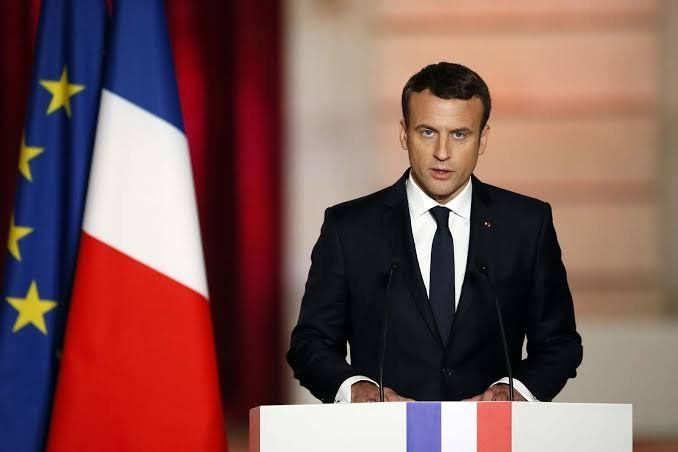
Macron had demanded "the utmost severity" against "acts of delinquency" on Thursday, October 22. According to AFP, he accused "ultra-left" groups of trying to "bring down the republic" during the previous weekend's unrest.
The restrictions on protests also drew criticism. Amnesty International described the authorities' measures as "a slide toward authoritarian practice" and said they were "jeopardising the right to demonstrate peacefully", AFP reported.
Election pressure on Macron
With France's next presidential election months away, Macron faces pressure both to address protesters' demands and to restore public confidence in his government's ability to maintain order.
A Harris Interactive poll for M6/RTL conducted after the mid-October violence put Marine Le Pen, leader of the far-right National Rally, at 33-35% in the first round, according to AFP. It projected a runoff against hard-left leader Jean-Luc Melenchon, with Le Pen winning easily at about 70% of the vote.
Other European protests and another French rally planned
Other European countries also saw demonstrations. Italian Prime Minister Giorgia Meloni ordered an additional 500 soldiers to Milan ahead of protests, supporting about 5,000 police and other law-enforcement personnel, according to DW and CBS News. Demonstrations also took place in Albania over education, Spain over pensions and Portugal over affordable housing.
In France, the Yellow Vest movement called on October 24 for another round of protests on October 31, CBS News and DW reported. Organizers proposed rallies and a sit-in outside parliament and city halls nationwide, condemning what they called the "authoritarian drift" of Macron's government.