France Is Burning, and Socialism Is Holding the Match
France is experiencing a deepening economic crisis that extends far beyond the surface-level political tensions dominating headlines. While protests have spread across the country, the underlying cause represents a fundamental challenge to the nation's economic sustainability: decades of government spending, mounting debt, and an economic model struggling to deliver on its promises.
By June 2026, France's government debt reached approximately €3.6 trillion, equivalent to 119 percent of GDP, according to figures published by France's national statistics agency. Government spending amounted to approximately 57 percent of GDP in 2025, yet the country still recorded a deficit exceeding 5 percent of GDP. These numbers reveal a system in which government expenditure represents more than half the country's annual economic output while failing to achieve fiscal balance.
The scale of these fiscal challenges has developed over decades through an economic approach centered on expansive government programs, high taxation, and extensive regulation. The stated goal has been greater economic security for citizens, but the growing cost of maintaining these commitments has coincided with weak economic growth and increasing public debt. The burden of financing this system falls heavily on businesses and workers, raising questions about whether policies designed to provide security are instead constraining economic opportunity.
The Human Cost of Economic Strain
The impact on individual lives illustrates the broader problem. A young professional in Paris earning €2,000 monthly faces severe financial constraints after covering basic expenses including rent, transportation, utilities, and groceries. A French government study published this year found that half of private-sector renters under 30 spent more than 51 percent of their disposable income on rent before housing assistance, based on 2022 figures. While the study included students, it underscores a widespread affordability crisis affecting working professionals who struggle to achieve financial independence despite employment and education.
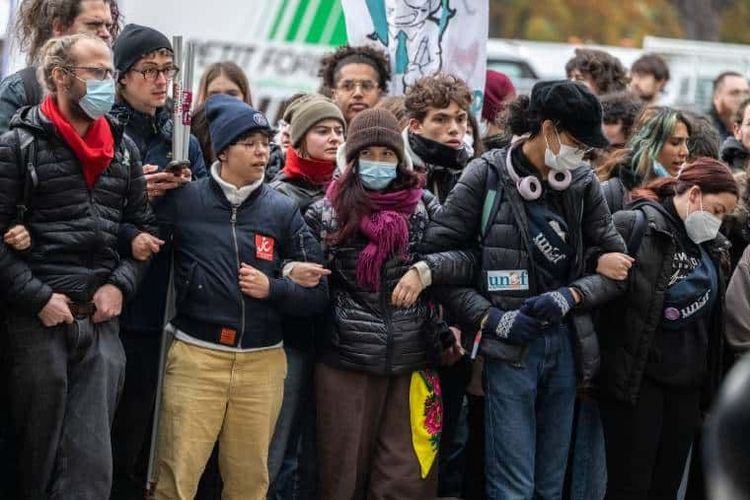
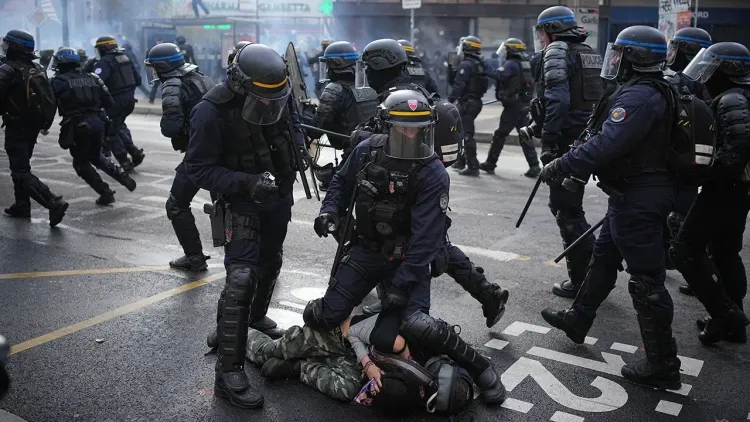
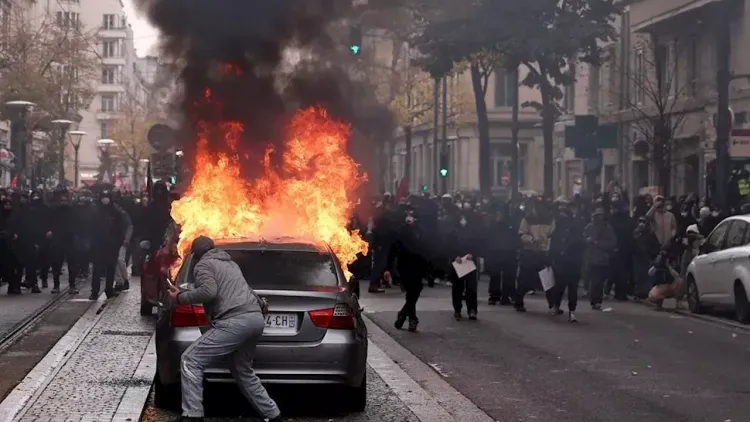
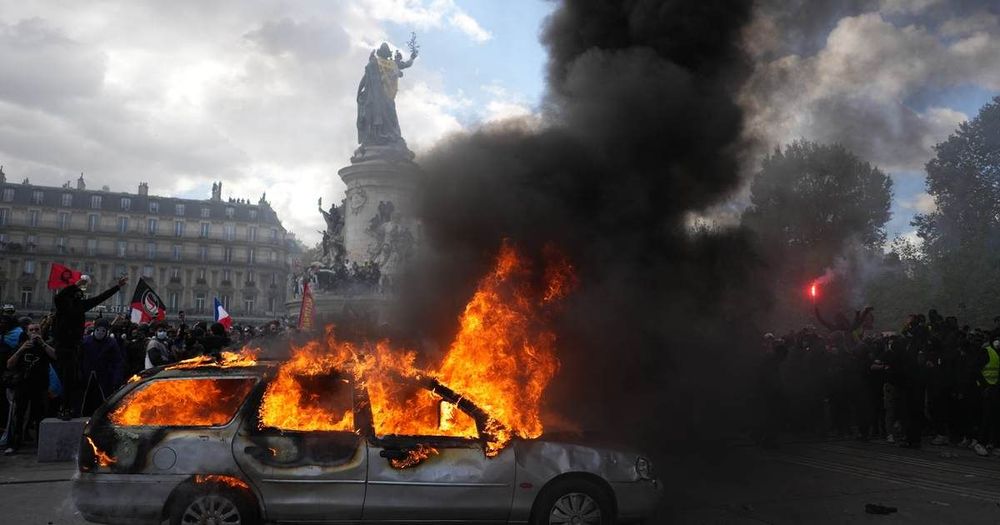
This economic pressure helps explain why the current wave of unrest involves such diverse groups including students, workers, unions, and Yellow Vest activists. These participants do not share a unified political ideology. Some demand increased government spending and stronger public services, while others express frustration with taxation and living costs. Their simultaneous presence in protests does not indicate political alignment but rather reflects widespread dissatisfaction with economic conditions cutting across traditional political boundaries.
Warning Signs from Economic History
Countries across South America demonstrate how prolonged fiscal problems, inflation, and public frustration can fundamentally reshape political landscapes. Argentina serves as a particularly instructive example of how decades of economic difficulties can produce dramatic political realignments. While France's economy has not collapsed and differs substantially from Argentina's situation, the broader pattern remains relevant. When citizens conclude the economic system no longer serves their interests, traditional political loyalties can shift with surprising speed. Political establishments often recognize the depth of public frustration only after confidence has significantly deteriorated.
France's situation may represent an early warning about the sustainability of economic approaches embraced throughout much of Europe. Not every European country confronts France's specific fiscal challenges, and extensive social programs alone do not determine economic success or failure. However, all governments ultimately face the same fundamental constraint: their commitments must be supported by economies productive enough to finance them.
The Path Forward
Addressing France's economic challenges will require more than additional government programs, tax increases, or promises financed through further borrowing. The country needs stronger economic growth, increased private investment, greater entrepreneurship, and policies that reward work while enabling business expansion. Social protections serve important functions, but France has constructed a system whose enormous cost increasingly pressures the economic growth required to sustain it. Promises that future generations may struggle to afford serve no compassionate purpose. Government can redistribute existing prosperity but cannot redistribute wealth never created.
France's protests involve multiple issues, and participants disagree about appropriate solutions. However, these disagreements do not diminish the seriousness of the country's economic challenges. The fiscal problems have accumulated over decades and cannot be attributed to any single administration or political party. They reflect difficult choices that successive governments have repeatedly postponed.
France remains a wealthy nation with substantial potential, but accumulated wealth offers no guarantee of future prosperity. A country does not require financial collapse for citizens to lose confidence in their future. It only needs to reach a point where increased effort no longer produces improved living standards, where government promises continue expanding while economic opportunity feels increasingly constrained. The question facing France and much of Europe is how long governments can continue promising more when the economies supporting those promises struggle to deliver.