Hundreds of thousands march as damage mounts
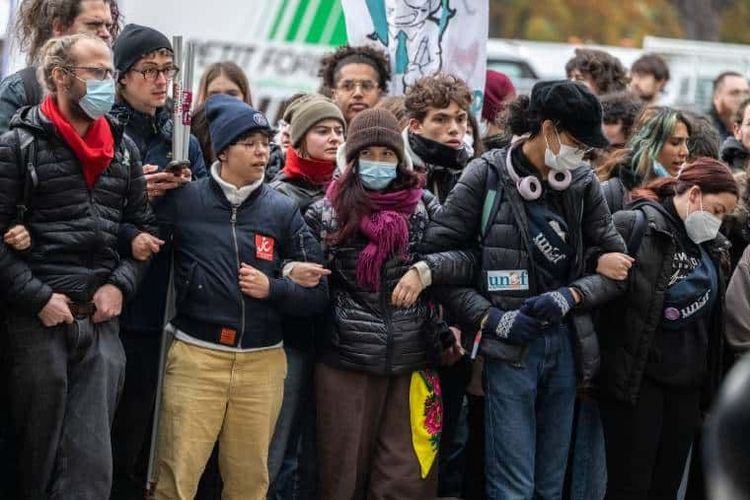
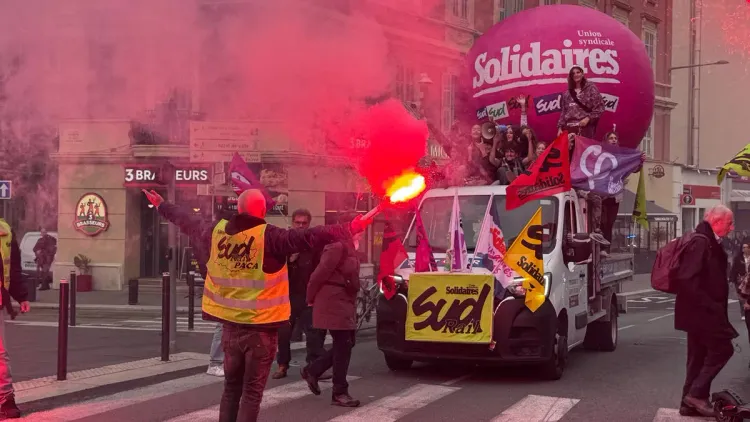
About 550,000 people demonstrated across France on October 17, including roughly 110,000 in Paris, according to Interior Ministry figures reported by Al Jazeera and CNBC. It was one of the country's largest protest days in recent years.
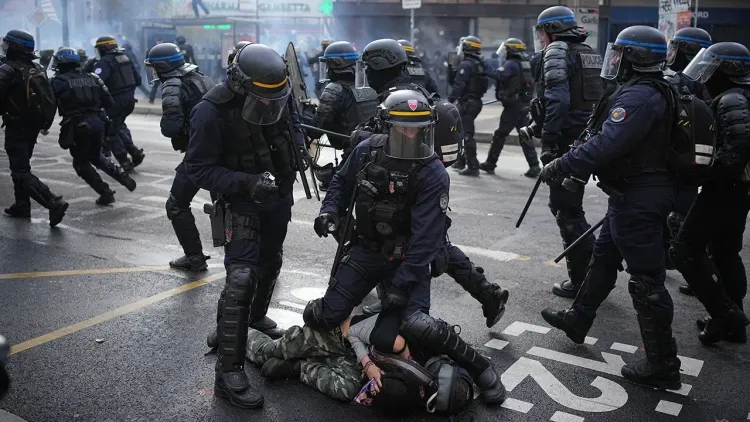
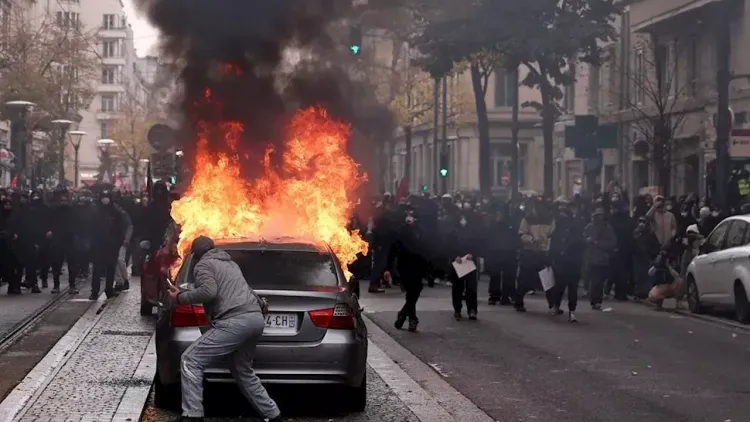
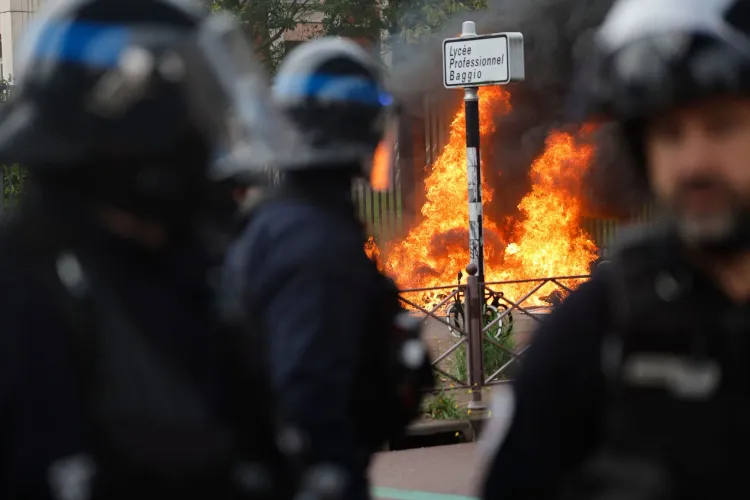
Reuters and AFP reported on October 22 that the ministry had recorded about 2,400 arrests over the October 17-18 weekend. Looting and arson damaged at least 3,000 shops, with estimated losses running into hundreds of millions of euros.
By the evening of October 18, the ministry's injury count stood at 997 police officers and gendarmes, seven in critical condition, Deseret News reported. Police said a protester in Paris died of cardiac arrest. A demonstrator in Saint-Étienne lost a hand.
Among the buildings burned was Limoges' historic town hall, a listed monument that opened in 1883. The October 17 fire consumed the roof and upper floors and caused the bell tower to collapse. Deseret News described it as the unrest's worst single loss.
Protests continued after the weekend. On October 19, demonstrators blocked access to the Louvre, delaying its scheduled opening. Museum management said students from the École du Louvre led the action.
Local restrictions and a security review
Prime Minister Sébastien Lecornu authorized a region-by-region approach to overnight curfews on October 19. In Paris, police prohibited movement near Place de la République and in the Les Halles shopping district between 11 p.m. and 6 a.m.
Restrictions differed elsewhere: Lille and three other northern cities set an 8 p.m. curfew, Nice applied its curfew only to minors, and Marseille prohibited gatherings.
On October 20, the interior minister announced plans to assign counterterrorism military units to protect key facilities. Lecornu said further local curfews remained possible. Although he ruled out a curfew covering all of Paris, he did not exclude a state of emergency.
President Emmanuel Macron declined Interior Minister Laurent Nuñez's offer to resign. He ordered an examination of possible intelligence or police-preparedness failures and asked the government to convene students, teachers, lawmakers, unions and business leaders to develop "concrete proposals," CNBC reported.
School grievances broaden into economic anger
The national mobilization is widely traced to a September 21 protest by pupils at the Lycée Antoine-de-Saint-Exupéry in Créteil, a Paris suburb, according to the account of the movement's origins. Their action followed a September 17 teachers' strike over shortages of staff and resources.
As people facing rising prices, housing shortages and deteriorating public services joined the students, the demonstrations developed into a wider anti-government movement. Reports of classes left without substitute teachers during sick leave illustrated the school complaints. Medical workers have also raised staffing and working-condition concerns, while police officers and firefighters protested in September for more personnel and better treatment.
The unrest coincided with Lecornu's minority government's effort to secure €54 billion ($61 billion) in savings through its 2027 budget. In its October 19 report, CNBC said the National Assembly was scheduled to vote on the bill's first part on October 20. France's debt reached a record €3.6 trillion in the second quarter, equivalent to 119% of GDP. Deficit concerns and sharply higher government bond yields have added to financial-market unease.
A Paris resident describes the pressure on daily life
Wang Jun-kyung, a job seeker who has lived in Paris for six years, discussed the unrest on MBC radio's "Kim Jong-bae's Focus" on October 22. Wang said demonstrations were familiar in France, but the high school origins of this movement and the range of groups joining it set it apart.
According to Wang, the limited geographic reach of the curfews has meant little disruption to ordinary routines. Nevertheless, footage of shattered storefronts and burning bicycles obstructing streets has left residents anxious about the coming weekend.
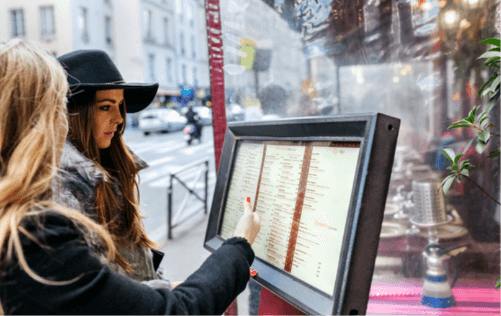
Wang's studio, measuring about 33 square meters, costs €1,000 a month to rent, or roughly 1.5 million won using the broadcast's conversion. Rent alone takes nearly half of a €2,000 monthly take-home salary. A 500-milliliter glass of beer costs around 9,000 won at some venues and nearly 20,000 won at more expensive establishments.
Transport costs have risen as well. A monthly Navigo pass cost €75 in 2022; it now costs slightly more than €90, an increase exceeding 20% over four years. The price is scheduled to reach about €93 in 2027.
Protests elsewhere in Europe and further French demonstrations
Belgium has seen student protests, while demonstrators in Portugal have rallied over housing and living costs. Demonstrations or mobilizations have also been recorded in Italy, Spain, Albania, Greece, Austria, Ireland and Germany. An EU law professor cited by Al Jazeera called France the movement's "epicentre."
In Milan, an October 17 march against wars and rising living costs escalated into clashes, store looting and fires in the city center. The Italian news agency LaPresse reported at least two injured police officers and about 50 detained demonstrators, many of them minors, according to Al Jazeera. Prime Minister Giorgia Meloni condemned the violence.
Portugal's housing market provides context for the Lisbon protests: Al Jazeera reported that home prices have more than doubled since 2017, with rents on new leases rising nearly as much.
Large demonstrations are expected again in France this weekend. The Yellow Vests have called for protests on October 24, and major labor unions have scheduled a strike and demonstrations for November 5.