Restrictions remain in more than 10 areas
Nuñez said authorities planned no changes to security measures in the coming days and would retain curfews in slightly more than 10 areas, Roya News reported. Local authorities impose the nighttime restrictions.
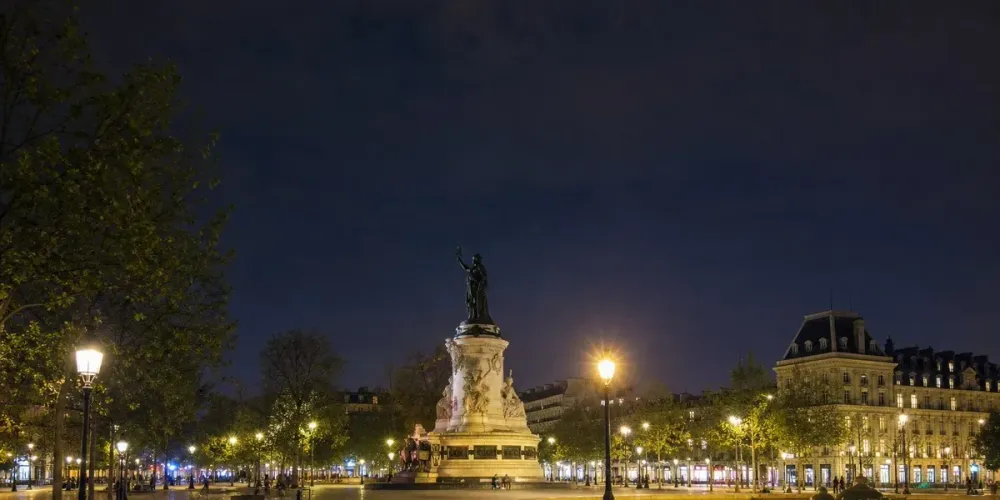
In central Paris, the curfews run from 11 p.m. to 6 a.m. around Place de la République and in the Les Halles shopping district, according to The Rio Times.
Other restrictions accompanied the October 24 demonstrations. BBC News reported that Marseille and Lyon banned protests, while Marseille suspended public transportation. In Paris, the Louvre, Orsay and Picasso museums closed that Saturday. The Rhône prefecture also expanded a curfew for minors to cover everyone from 11 p.m. on October 24 to 5 a.m. the next morning.
Injuries and weapons seizures
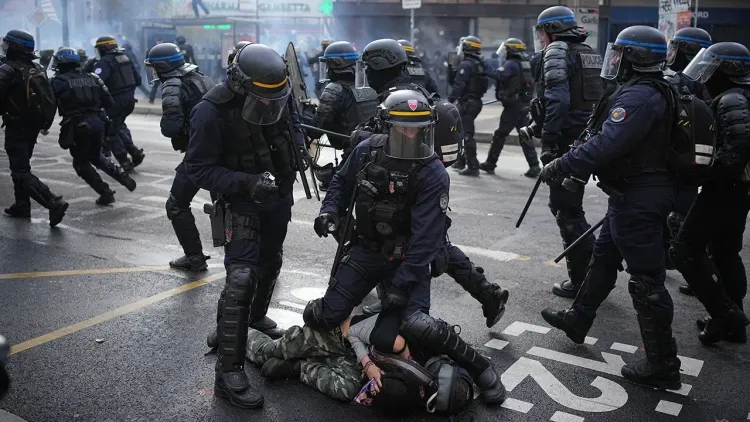
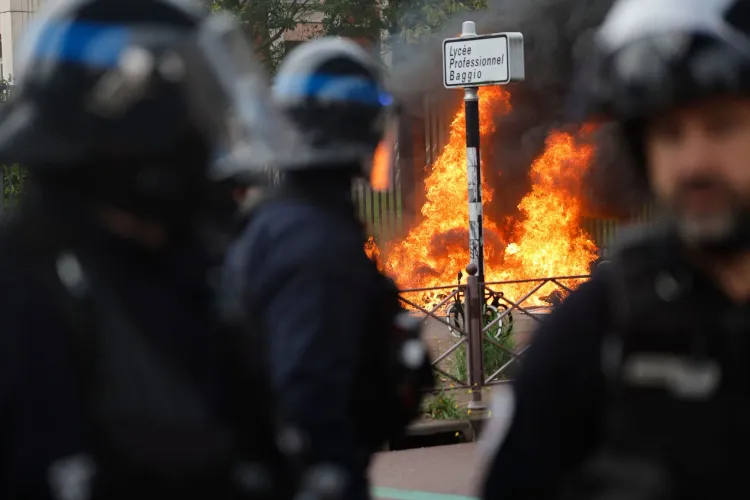
Of those detained, more than 100 were held for carrying weapons, Nuñez said. The protests left 267 police officers and gendarmes injured, along with 150 protesters. Three of the protesters suffered serious injuries.
Although Nuñez characterized the October 24 events as "controlled," he acknowledged intense violence against law enforcement. According to Roya News, he said searches of people traveling to the demonstrations turned up dozens of knives, as well as billiard balls, glass marbles, slingshots and fireworks. He described many attacks on security forces as amounting to attempted murder.
Protests follow a week of unrest
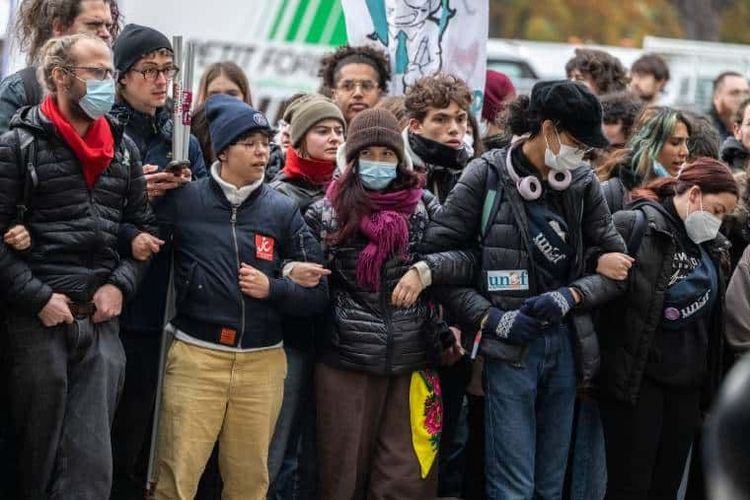
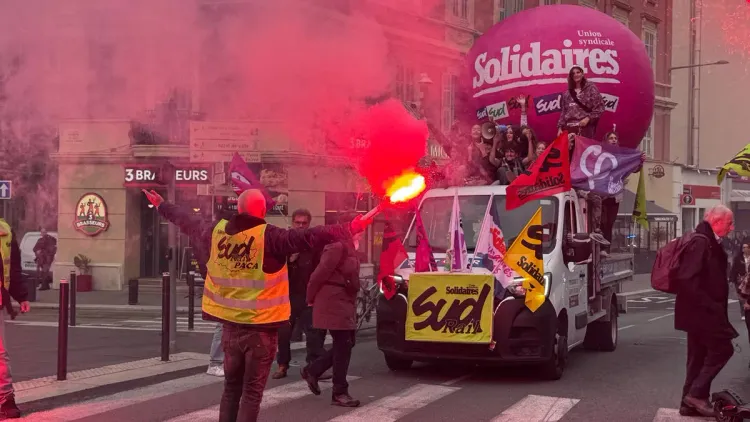
The demonstrations reflect dissatisfaction with the cost of living. The Interior Ministry counted 410,000 marchers nationwide on October 24, 2026, compared with 550,000 on October 17. The CGT union put the October 24 turnout at around 800,000.
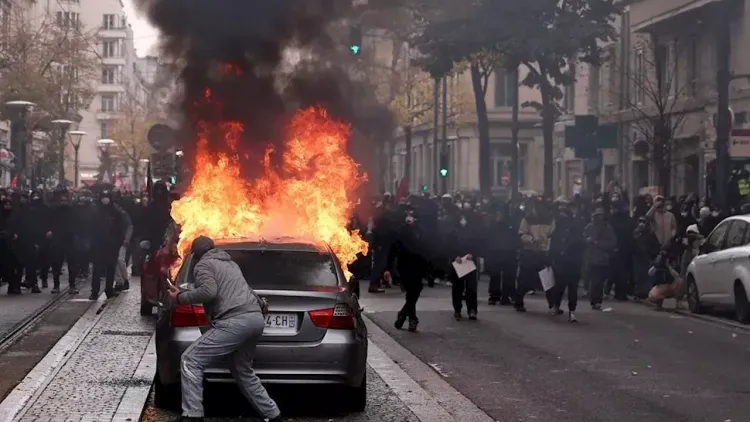
Several French cities experienced unrest and looting on October 17. The following day, Nuñez offered his resignation, saying police "had lost control," AFP reported. President Emmanuel Macron refused to accept it.
Prime Minister Sébastien Lecornu blamed ultra-left radical groups, accusing them of devising an "insurrectionary plan" behind riots on the sidelines of the cost-of-living protests, according to AFP. After the weekend rioting, countries including the United States, China and Germany issued travel advisories to their citizens in France.
Retailers seek a pause
Alain Di Crescenzo, president of CCI France, the national network of French chambers of commerce, called publicly on October 26 for a pause in street protests. He said November and December account for about 40% of shops' annual sales, while summer sales had already fallen about 20%.
The government said all businesses damaged or looted during the unrest would be eligible for interest-free loans from Friday, AFP reported. Justice Minister Gérald Darmanin separately said nearly 150 people had been jailed and more than 800 had appeared before the courts.
More demonstrations and a national strike planned
Macron was due to visit Marseille and speak about a "return to order." Nuñez warned of another potentially difficult day on Saturday, October 31, when Yellow Vest groups have called for demonstrations. He said police would deploy "extremely powerful" forces.
The CFDT, CGT, FO, UNSA and FSU unions have announced a nationwide strike for November 5 against budget spending cuts. Authorities have not said whether the curfews will still apply then.