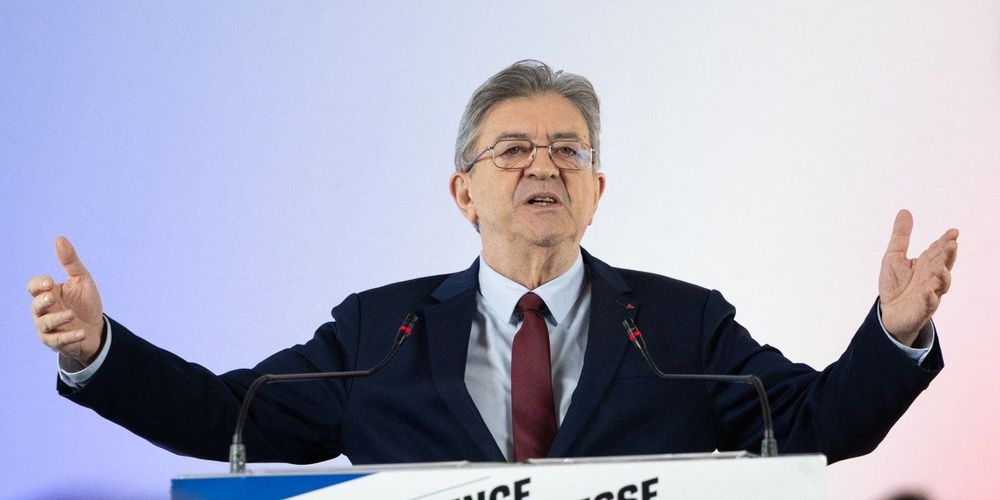
Jean-Luc Mélenchon, the 75-year-old leader of France's far-left movement, has positioned himself at the center of the country's political turbulence by embracing student protesters and proposing a sweeping economic transformation that includes canceling hundreds of billions of euros in national debt, prosecuting the central bank governor, nationalizing large portions of the economy, and withdrawing France from NATO.
Embracing Student Protests
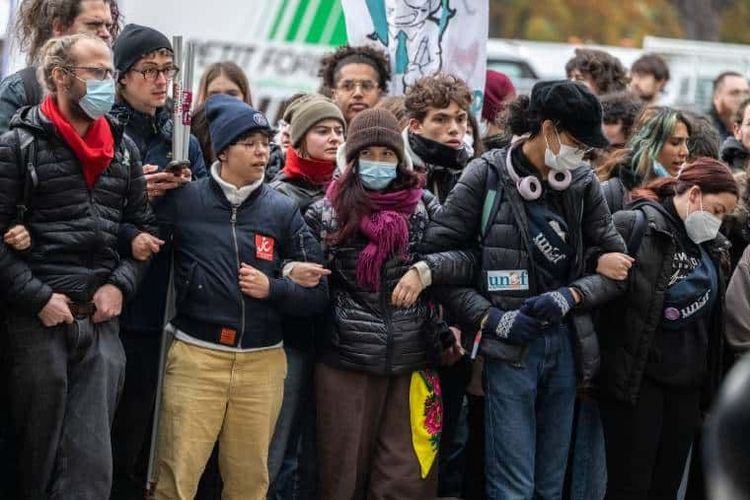
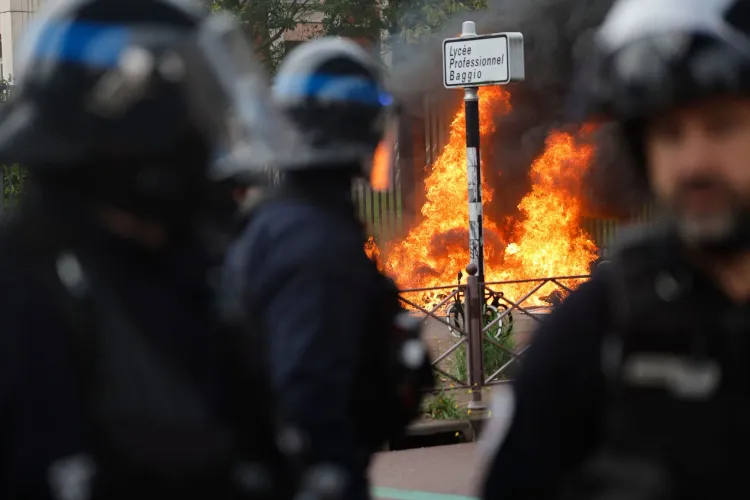
As student demonstrations have swept across France since late September, blocking hundreds of schools and in some cases setting them ablaze, Mélenchon has marched alongside protesters or cheered from the sidelines, drawing parallels between today's students and the revolutionaries who stormed the Bastille in 1789.
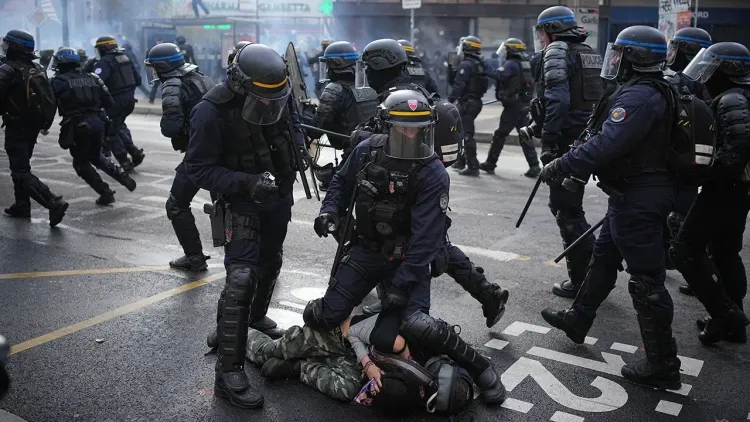
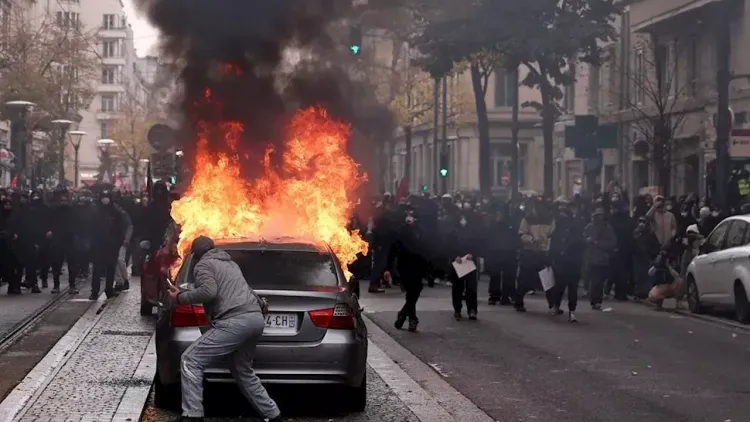
The protests erupted over deteriorating learning conditions, severe teacher shortages, and crumbling school infrastructure. By early October, the movement had evolved into a nationwide mobilization marked by blockades and violent clashes. France's Interior Ministry reported 1,949 arrests on October 1 alone, as some 400 schools remained closed.
Growing Appeal Among Young Voters
Mélenchon's embrace of the student movement reflects his growing appeal among young voters. In the 2022 presidential election, he captured 31% of voters aged 18-24 and 34% of those aged 25-34 in the first round, demonstrating strong support from the very demographic now taking to the streets.
The founder of La France Insoumise (France Unbowed), which he established in 2016 after leaving the Socialist Party, Mélenchon has steadily increased his electoral strength over three presidential campaigns. He garnered 11.1% of first-round votes in 2012, 19.6% in 2017, and 21.95% in 2022, narrowly missing the second round by fewer than 500,000 votes.
Radical Economic Proposals Amid Fiscal Crisis
His debt cancellation proposal comes as France faces its most severe fiscal crisis in decades. Public debt reached €3.6 trillion in the second quarter of 2026, representing 119% of GDP—the highest ratio since 1946. Interest payments on this debt are projected to cost approximately €79 billion in 2026, surpassing the entire defense budget and constituting the single largest line item in the national budget.
From Establishment Insider to Anti-Establishment Leader
Despite his current anti-establishment rhetoric, Mélenchon's political career spans decades within the mainstream left. He joined the Socialist Party in 1976 and served as Minister for Vocational Education from 2000 to 2002 before departing the party in 2008. He later ran as the Left Front candidate in 2012 with Communist Party support, attracting 80,000 supporters to a Paris rally during that campaign.
His party, La France Insoumise, now holds 71 seats in France's 577-member National Assembly, establishing it as a significant parliamentary force. This institutional presence lends credibility to Mélenchon's positioning as a viable contender for the presidency.
NATO Withdrawal and Historical Precedent
Mélenchon's proposal to withdraw France from NATO echoes a historical precedent. President Charles de Gaulle pulled France from the alliance's integrated military command structure in 1966, though the country remained in the political alliance. France fully rejoined NATO's military command under President Nicolas Sarkozy in 2009, making Mélenchon's proposal a reversal of recent policy rather than an unprecedented break.
As France confronts both fiscal pressures and social unrest, Mélenchon's radical platform has found resonance with voters frustrated by economic constraints and deteriorating public services. His ability to mobilize young protesters while maintaining a significant parliamentary presence has transformed him from a perennial candidate into a formidable force capable of reshaping French politics.