France riots spell trouble for Burnham's Brexit reset ...Middle East
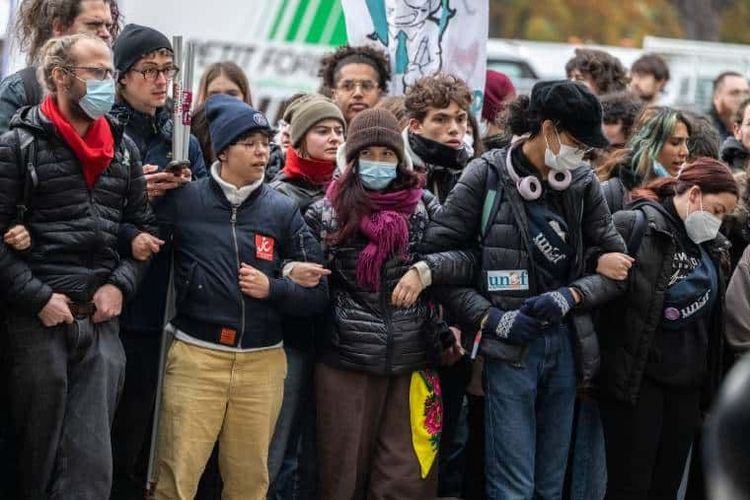
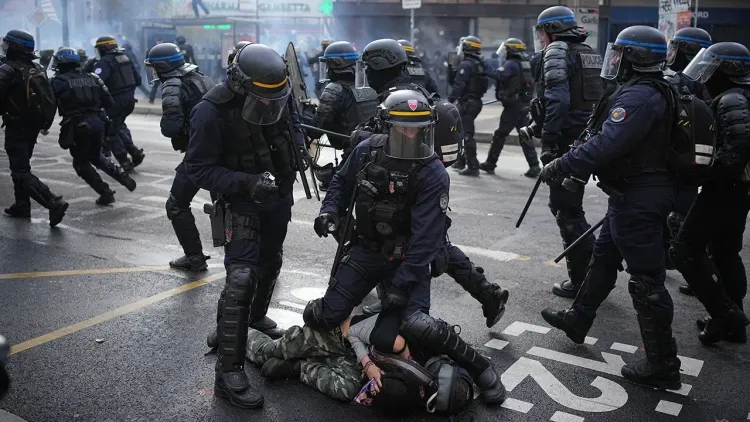
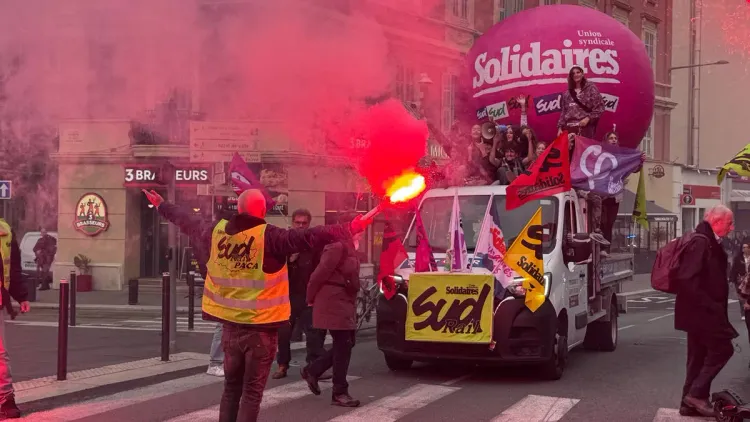
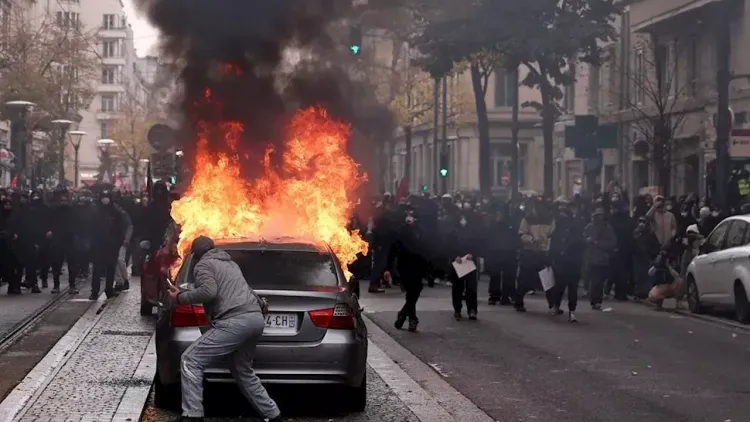
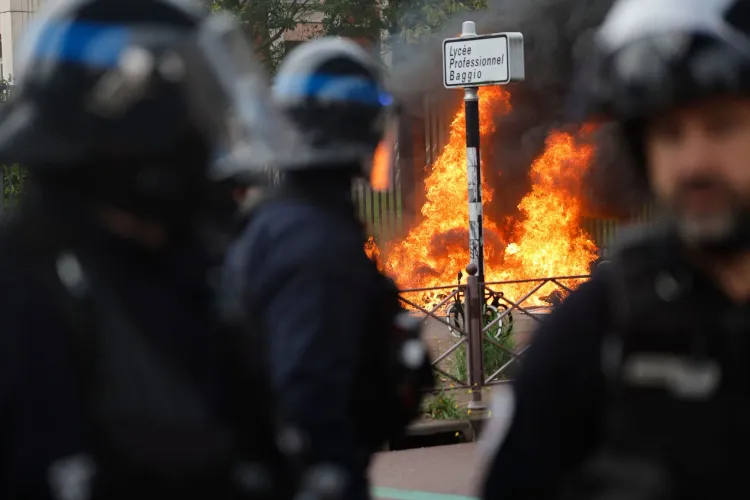
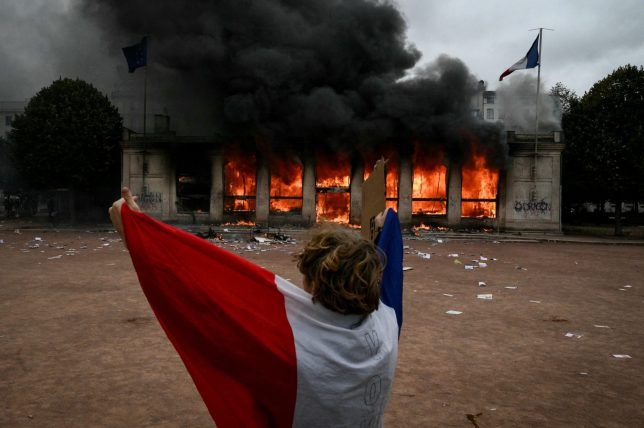
The violent unrest sweeping France following days of protests has sent alarm bells ringing across European capitals, including London. What began as peaceful demonstrations by secondary school pupils demanding improved conditions has spiralled into widespread destruction, with rioters targeting prefectures, town halls and police stations. Similar disturbances have erupted in Belgium and Italy, though with less intensity than in France.
For Britain, the implications could prove profound. Prime Minister Andy Burnham, who assumed office on 20 July 2026, has scheduled a crucial UK-EU summit in Brussels for 20 November to discuss closer relations with the European Union. Should France elect a far-right president in its April 2027 elections, such diplomatic overtures would become significantly more complex, potentially leaving Britain isolated in its support for Ukraine as European security faces mounting challenges.
A Nation Drowning in Debt
France's financial predicament has reached crisis proportions. Public debt stood at €3.596 trillion at the end of June 2026, representing 119 per cent of GDP and marking the highest ratio since 1946. Interest payments alone are set to consume approximately €79 billion in 2026, now exceeding the entire defence budget. The country's budget deficit is projected at 5.4 per cent of GDP this year, nearly double the EU's 3 per cent limit.
Even under optimistic scenarios, economists predict French debt will climb to 121 per cent of GDP in 2027 and stabilise only at 124 per cent by 2032. France's 10-year borrowing rate climbed to 4.94 per cent in October, a level last seen in 2002, reflecting growing anxiety among investors. More than half of French government bonds are held abroad, amplifying international concern about the country's fiscal trajectory.
Yet protesters demanding more subsidies and investment fill the streets. Public spending already accounts for 57 per cent of GDP, among the highest in the OECD. Despite repeated pension reform attempts, French citizens remain deeply attached to retiring around age 62, approximately five years earlier than neighbours in comparable economies. The nation faces a stark reckoning between public expectations and fiscal reality.
Energy Shock Compounds Economic Pain
The cost-of-living crisis driving public anger has been amplified by disruptions to global energy supplies. The war between Iran and the United States, which erupted in late February 2026, led to the closure of the Strait of Hormuz, through which more than 20 per cent of the world's oil passes. Brent crude prices surged to approximately $118 per barrel in late March before fluctuating between $87 and $109 through October, adding fuel to inflation across Europe.
Combined with threats of conflict with Russia, artificial intelligence's impact on employment, demographic decline and mounting public debt, European nations face a convergent set of crises that no single country can easily navigate alone.
The Far-Right Ascendant
The presidential election scheduled for April 2027 looms over France's turmoil. Recent polling aggregates show Marine Le Pen commanding 35 to 37 per cent support in the first round, approximately 15 to 20 percentage points ahead of her nearest competitors. Hard-left leader Jean-Luc Mélenchon polls at 15 to 17 per cent, making a Le Pen versus Mélenchon second-round runoff increasingly probable.
Le Pen has contested the presidency three times previously, losing to Emmanuel Macron in both 2017 and 2022. In the 2022 second round, she secured 41.45 per cent against Macron's 58.55 per cent. With Macron now at his constitutional two-term limit, the political landscape has shifted considerably. Current projections suggest Le Pen would defeat Mélenchon decisively in a runoff, with polls showing her winning approximately 64 to 69 per cent of the vote.
Both candidates champion populist economics, promising to tax the wealthy, increase public spending and even lower the retirement age. Mélenchon has proposed cancelling French debt held by the European Central Bank. Both maintain pro-Russian positions and thrive on public resentment toward established political institutions. Their fundamental divide concerns national identity rather than fiscal policy.
Le Pen positions herself as the candidate of law and order, while Mélenchon presents himself as champion of radical systemic change, despite having entered politics as a senator at age 35 and remaining within the establishment throughout his career.
Government Response and Regional Implications
Prime Minister Sébastien Lecornu, who has led France's government since September 2025 and previously served as the country's youngest-ever armed forces minister, has identified organised radical left groups and quasi-military commandos among the rioters. Interior Minister Laurent Nunez has echoed these concerns as tens of thousands of looters joined the destruction targeting public institutions.
The 39-year-old Lecornu, the only minister to remain continuously in Macron's government since 2017, faces the challenge of restoring order while addressing deep-seated grievances in a nation that appears increasingly ungovernable.
Germany confronts its own political fragmentation, with the far-right AfD party surging and an ineffective government struggling to respond. What unfolds in France may herald a broader European crisis, with urban unrest, economic turmoil and far-right electoral victories creating a cascading effect across the continent.
Strategic Consequences for Britain and Europe
A France governed by the far right would fundamentally alter European security dynamics. Le Pen has already signalled she would limit French assistance to Ukraine and pursue an independent approach toward Russia. Such a shift could fracture the European consensus on Ukraine, weakening the continent's collective defence posture precisely when external threats are intensifying.
As French commentator Luc de Barochez has observed, the sovereignty of each European state depends on its collective ability to exert influence through coordinated action, not through isolation. Britain may have departed the EU, but it cannot insulate itself from a continent in crisis. This is a European emergency, and France has become its epicentre.